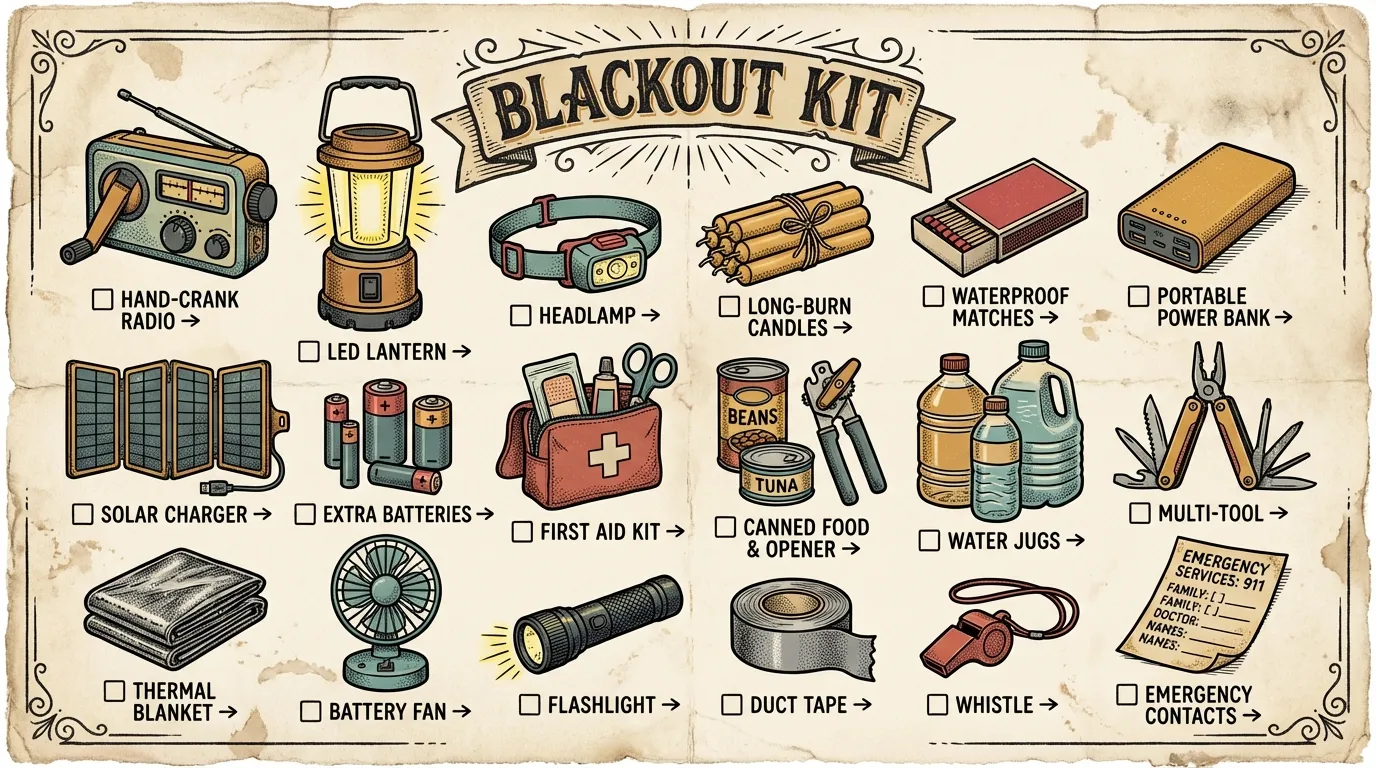
To prepare for a blackout, store reliable lighting, extra batteries, water, shelf-stable food, phone-charging options, and a safe backup power source like a generator or portable power station. The most common blackout causes are severe weather, equipment failure, and grid disruptions, so beginners should plan to stay self-sufficient for at least 72 hours.
Key Takeaways
- Store one gallon of water per person per day for at least 3 days minimum.
- Place gas generators at least 20 feet from doors and windows with exhaust directed away.
- Replace USB power banks every 6 to 12 months to ensure reliable emergency charging.
- Rotate food, water, and batteries twice a year and mark expiration dates with a permanent marker.
- Practice a mock power-outage evening at least once or twice a year to identify gaps.
Prepping for Blackouts: Practical Checklist, Gear, and Safety Tips
Quick answer / TL;DR: Prepping for blackouts
Be self-sufficient for at least 72 hours. Secure lighting, power (power banks or a portable power station), three days of food and water, a way to get information, and basic medical supplies. Make a simple household plan, store essentials where everyone can find them, and practice once or twice a year. Start with the basics and add items based on local weather, medical needs, and how often outages happen.
Key definitions
- Blackout: loss of electrical power affecting a home, neighborhood, or wider area that can last minutes to days.
- Portable power station (solar generator): a battery unit with AC and USB outputs; it recharges from the grid or solar panels. This is different from a fuel-powered generator.
- UPS (uninterruptible power supply): short-run battery backup for electronics and routers to prevent data loss.
- Transfer switch: a device installed by a licensed electrician that lets a generator feed selected home circuits safely.
- NOAA Weather Radio: broadcasts weather and emergency alerts. Battery or hand-crank units keep you informed when other communications fail.
Quick start: 72-hour checklist
Essentials for the first 72 hours. Adjust quantities for household size, climate, ages, and medical needs.
- Light
- LED flashlight for every adult
- Headlamp for hands-free tasks
- Battery lantern for shared spaces
- Power
- Charged USB power banks, rotated regularly
- Portable power station for small appliances or medical devices
- Small UPS for router and critical electronics
- Solar charger or panel for longer outages
- Food
- Three days of shelf-stable meals and snacks, including protein and easy-to-eat options
- Manual can opener, reusable utensils, a camp stove for outdoor use only and fuel stored safely
- Water
- One gallon per person per day for three days as a minimum; increase for infants, pregnancy, illness, or hot weather
- Durable storage containers plus purification tablets or a filter
- Communication and information
- Battery-powered or hand-crank NOAA radio with alert capability
- Printed emergency contacts and local shelter locations
- Medical and comfort
- First aid kit, three extra days of prescription medications, spare glasses or contact supplies
- Blankets or sleeping bags, hygiene items, and pet food
72 hours is a baseline. Prepare for longer outages if you live in a remote area, extreme climate, or someone in your home depends on electrical medical equipment.
Why prepare for blackouts
A blackout can stop refrigerators, heating and cooling systems, well pumps, and communications. That affects food safety, medication storage, and health if someone uses a medical device. Planning reduces those risks and lets you help neighbors who may need assistance.
Check local guidance from FEMA, the American Red Cross, NOAA, and your utility to match preparations to local hazards.
Common causes of blackouts
- Severe weather: storms, ice, hurricanes, high winds, heat waves
- Equipment failure: aging transformers or substation problems
- Accidents: vehicles hitting utility poles or fallen trees
- Grid overload during extreme demand
- Public-safety power shutoffs for wildfire risk mitigation
- Cyber or security incidents, which are less common but possible
Must-have gear when prepping for blackouts
Lighting
- Handheld LED flashlights, headlamps, battery lanterns, and small bedside lights
Power and charging
- Power banks (replace every 6 to 12 months)
- Portable power station sized to your devices and medical gear
- Foldable solar panel or solar charger for extended outages
- UPS for router and essential electronics
Cooking and food
- Manual can opener, camp stove for outdoor cooking, and stored fuel in approved containers
- Ready-to-eat meals, canned goods, nut or protein bars, and reusable utensils
Water
- Storage containers with caps and a water filter or purification tablets
- Extra water for infants, people who are ill, and pets
Communication and info
- Battery or hand-crank NOAA weather radio
- Printed contact list and local evacuation or cooling/warming center locations
Storage and access
- Keep supplies in clearly labeled containers near exits or in a central closet
- Rotate food, water, and batteries twice a year and mark dates
Backup power options: pros, cons, and priorities
Portable gas generators
- Pros: high output, can run refrigerators and larger appliances
- Cons: noisy, need fuel, pose carbon monoxide risk
- Safety: never run indoors or in attached garages; place at least 20 feet from doors and windows and point exhaust away from the house. Use a transfer switch for safe home connection.
Solar generators and portable power stations
- Pros: quiet, no fuel to store, safe for indoor storage
- Cons: lower continuous output and recharge depends on sunlight or grid availability
Home solar with battery backup
- Pros: automatic backup for critical circuits and long-term resilience
- Cons: high upfront cost and professional installation required
Power priorities
- Life-sustaining medical devices
- Phone charging and communications
- Refrigeration for critical medications and food
- Basic lighting
- Heating or cooling support if available
Generator and fuel safety
Never use generators inside homes, garages, or basements. Carbon monoxide can build up quickly and kill. Place generators at least 20 feet from openings, with exhaust directed away from windows and vents. Install CO detectors on every level; choose battery or hardwired units with battery backup. Store fuel in approved containers and follow local storage rules. If you want to connect a generator to household wiring, install a transfer switch and hire a licensed electrician.
Staying safe and comfortable during an outage
- Keep flashlights and headlamps where everyone can grab them.
- Unplug sensitive electronics to avoid surge damage when power returns.
- Leave one light on so you know when power is restored.
Cold weather
- Dress in layers, close off unused rooms, and use blankets and sleeping bags.
- If you have a fireplace or wood stove, follow safe operation practices.
Hot weather
- Close blinds during the hottest part of the day. Stay hydrated. Use battery fans or go to a cooling center if conditions become dangerous.
Food safety
- A closed refrigerator will keep food cold for about 4 hours. A full freezer can hold temperature for about 48 hours. These are rough estimates; monitor food carefully.
Simple household blackout plan
- Assign roles: who monitors radio/alerts, who gathers supplies, who checks on neighbors.
- Pick a meeting spot and keep printed contact lists in an easy-to-find place.
- Store supplies in labeled containers and rotate them twice a year.
- Practice a mock power-outage evening to find gaps in your plan.
Practice helps. You will notice small changes that make a big difference.
Practical tips and morale boosters
- Pack a small entertainment kit: playing cards, a board game, or downloaded movies and books on a charged device.
- Keep a notebook to record lessons after an outage.
- Mark rotation dates on perishables and batteries with a permanent marker.
- Include comfort items for children and pets to reduce stress.
Frequently asked questions
Q: How long should I prepare for a blackout? A: Prepare at least 72 hours. Extend that based on local weather, distance from services, and medical needs.
Q: Is it safe to use candles during a blackout? A: Candles increase fire risk. Use LED lights and battery lanterns instead.
Q: What is the best beginner backup power option? A: A portable power station plus a solar panel covers phones, lights, and small refrigerators. For larger needs, talk to a professional about gas generators or home battery systems.
Q: Where do I get official outage information? A: NOAA Weather Radio, local emergency management, FEMA, and your utility company provide official updates.
Practical and local prepping for blackouts protects health, food, and comfort. Start with a flashlight, a charged power bank, and three days of food and water. Build on that kit to match your household’s medical needs, climate, and how often outages occur.
Sources and further reading: FEMA, American Red Cross, NOAA, and your local emergency management office.
The Complete
Prepper's Reference.
149 articles synthesized into one comprehensive PDF — twelve chapters covering water, food, shelter, first aid, comms, and scenario-specific preparedness. Free with your email.
Unsubscribe anytime · We never share your email
You're in. Check your inbox.
Keep Reading
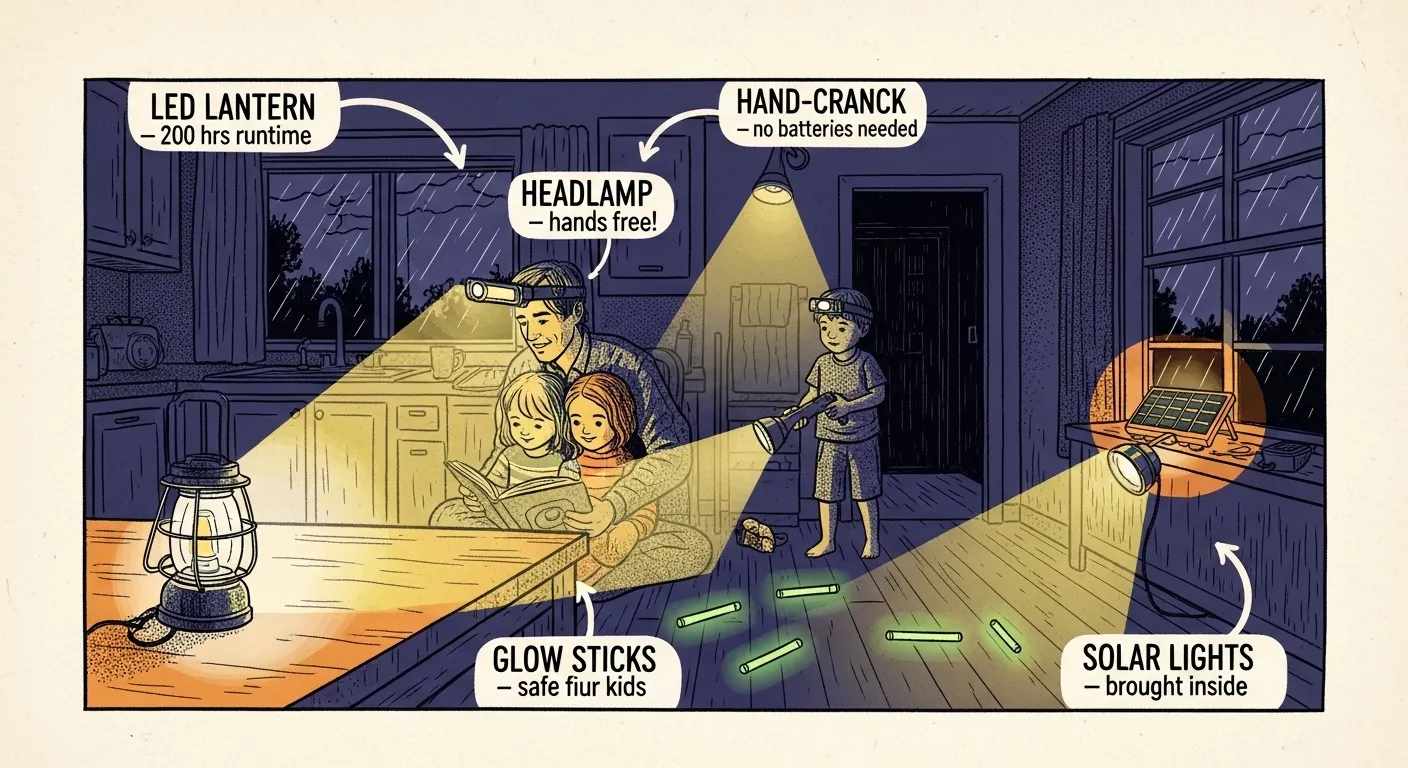
Emergency Lighting: Bright Ideas for Dark Times
Learn the best emergency lighting options for beginners, including flashlights, lanterns, solar lights, and maintenance tips for blackout readiness.
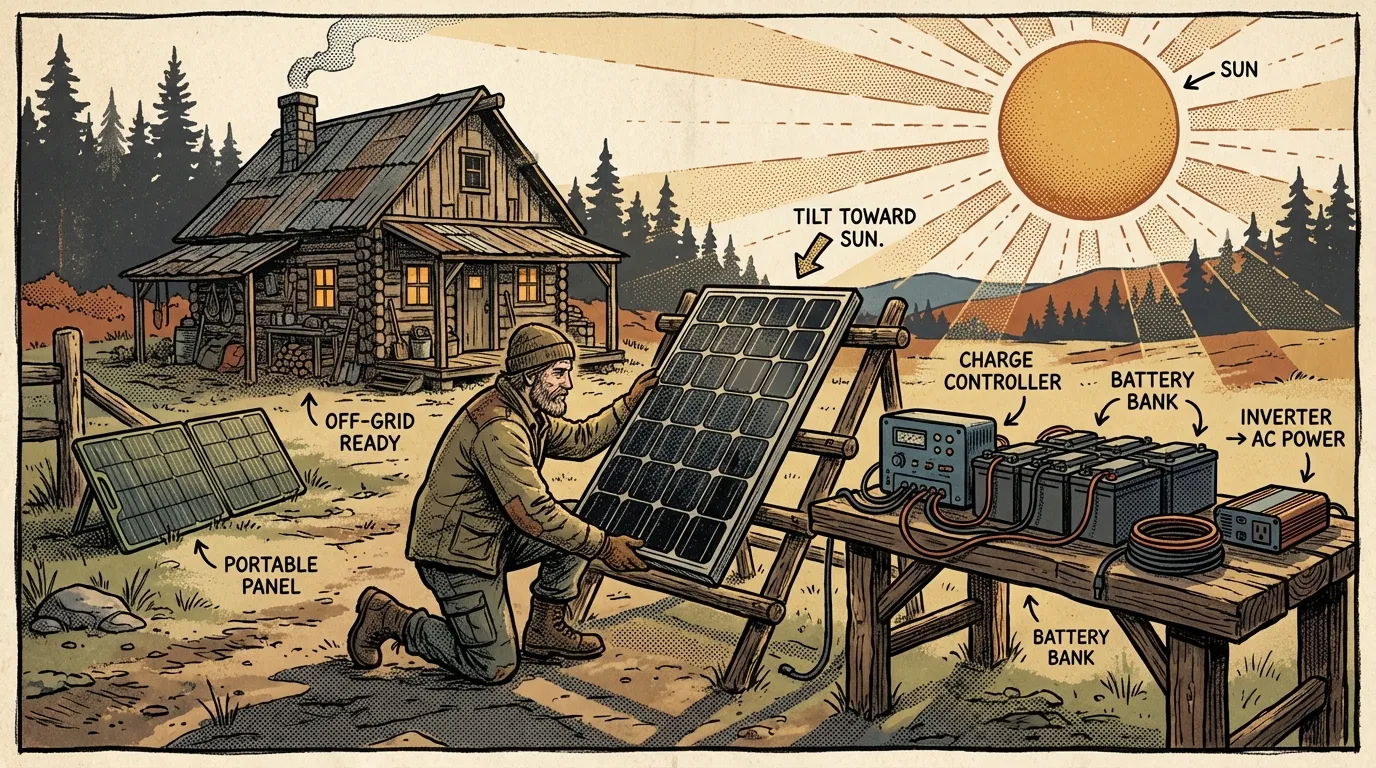
Solar Power for Preppers: Harnessing the Sun's Energy
Learn how new preppers can use solar power for backup energy, including costs, components, setup steps, and portable options for emergencies.
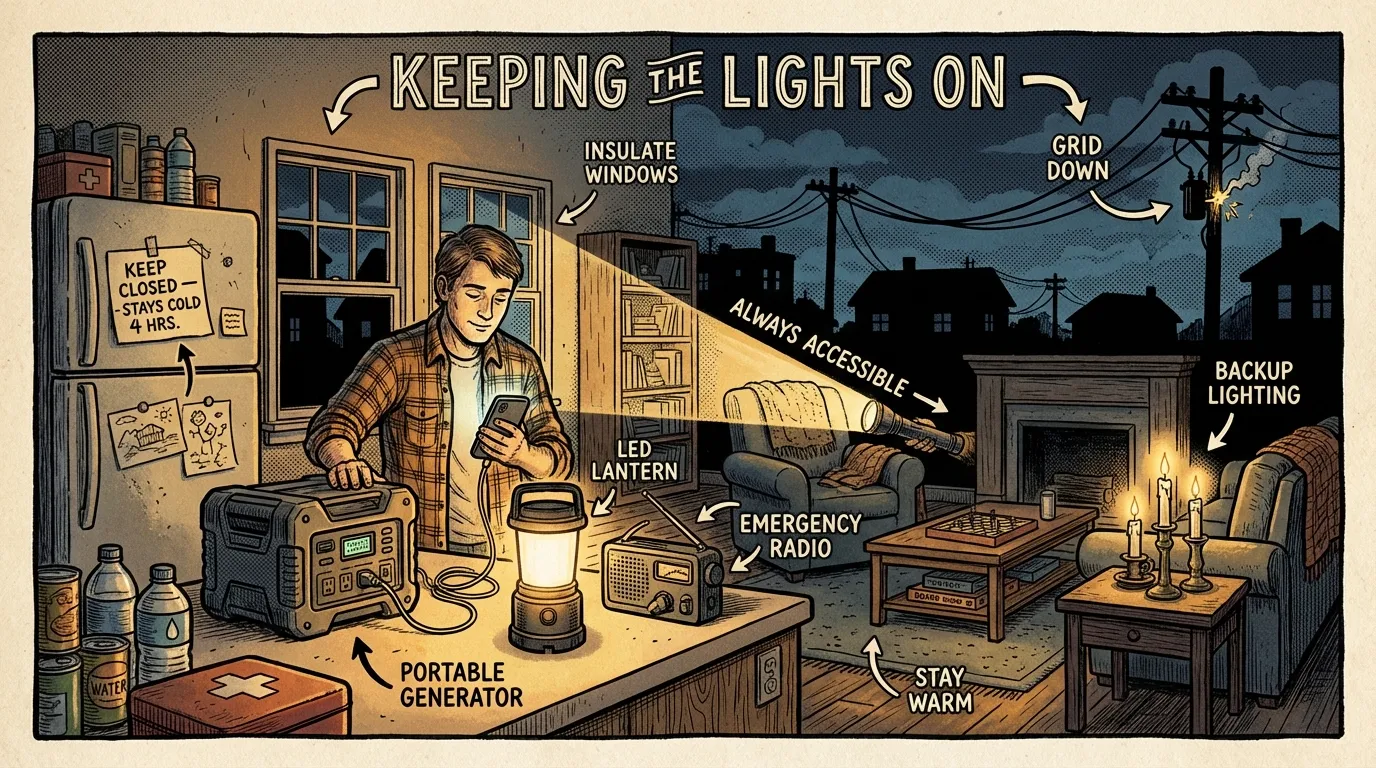
Prepping for Power Outages: Keeping the Lights On
Learn how to prepare for power outages with essential supplies, food safety tips, backup lighting, and communication strategies for stress-free blackouts.