Understanding Emergency First Aid Basics
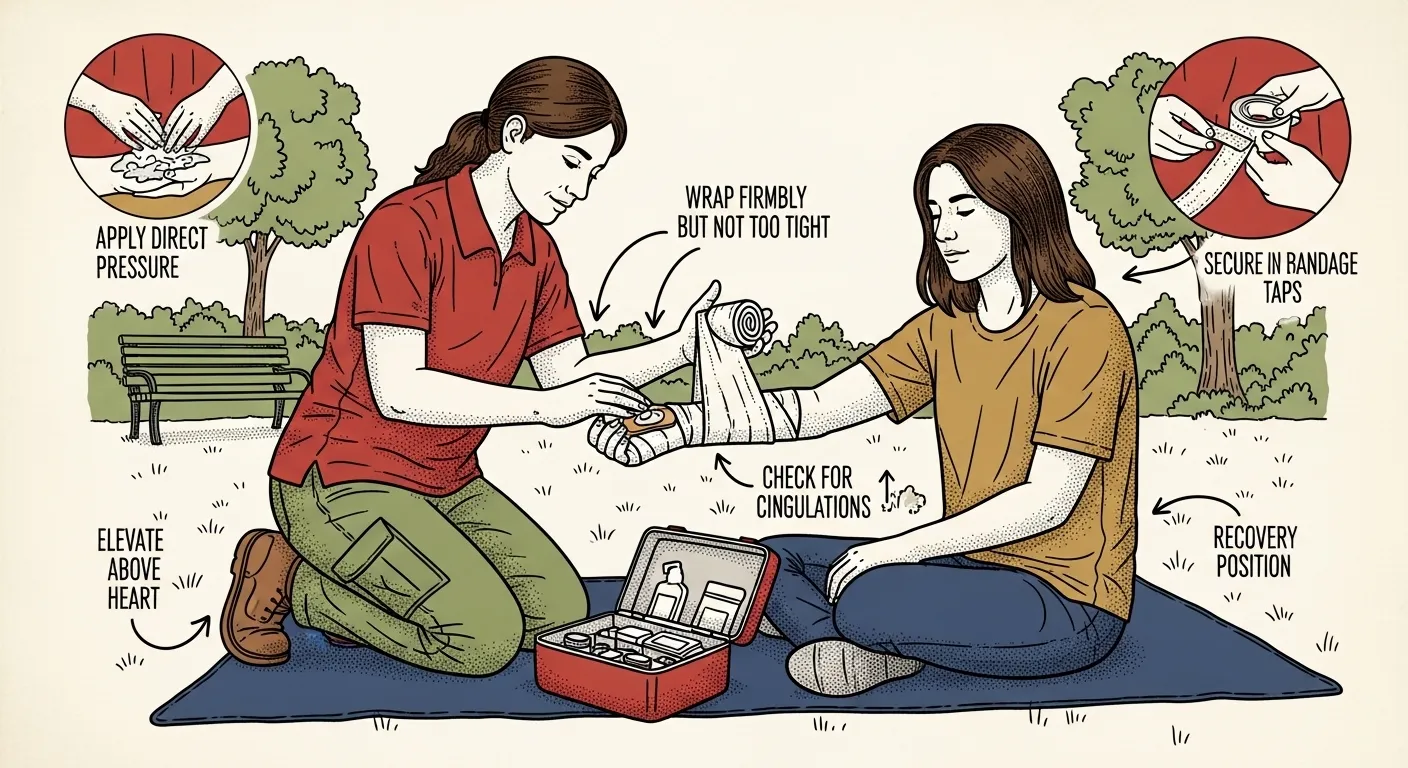
Before you stockpile gear, you need to understand the fundamentals. Emergency first aid starts with staying calm, assessing the scene for safety, and knowing how to respond to the most common injuries — cuts, burns, sprains, and cardiac events. CPR basics alone can mean the difference between life and death in those critical minutes before EMS arrives. The core priorities are simple: stop severe bleeding, maintain an open airway, and prevent shock.
- Learn the ABCs: Airway, Breathing, Circulation
- Practice CPR and know when to use it — hands-only CPR is better than no CPR
- Understand how to treat common injuries: wound care, splinting, and burn management
- Stay calm and work methodically — panic is the real enemy in an emergency
These aren't skills you learn once and forget. Practice regularly, and make sure everyone in your household has at least a baseline understanding.
Building Your Prepper First Aid Kit: Complete Checklist
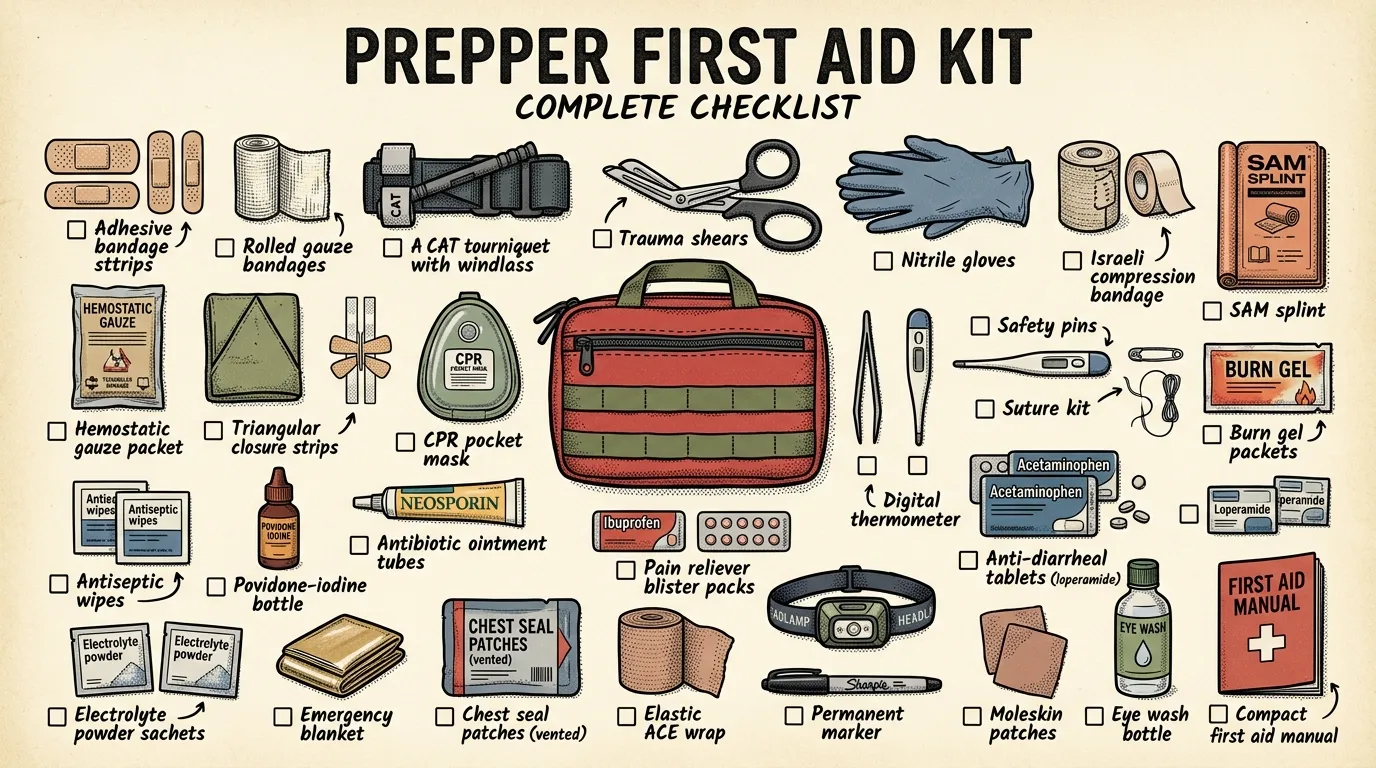
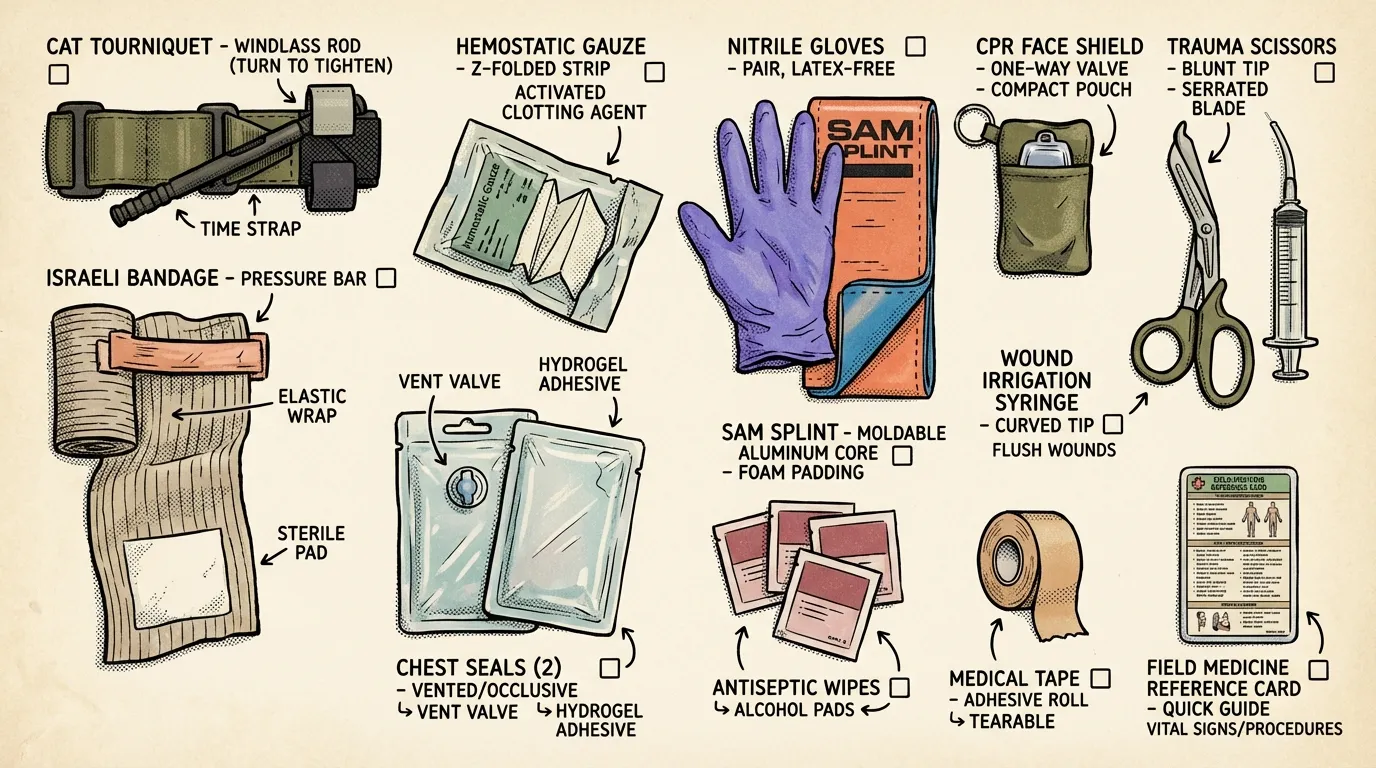
Your first aid kit is only as good as what's in it and whether you know how to use every item. Kits can be built across every budget tier — from a basic starter kit to a fully loaded field trauma setup. The key is building in layers: start with essentials like bandages, gauze, medical tape, antiseptic, and a tourniquet, then expand based on your skill level and likely scenarios.
- Basic tier: Adhesive bandages, gauze pads, medical tape, antiseptic wipes, nitrile gloves, tweezers
- Intermediate tier: Tourniquet, Israeli bandage, SAM splint, burn gel, OTC medications (ibuprofen, antihistamines, electrolytes)
- Advanced tier: Hemostatic agents, chest seals, nasopharyngeal airways, suture kits (with training)
Equally important: a maintenance plan. Rotate expired medications, replace used items immediately, and audit your kit at least every six months. A kit full of expired supplies is a kit that will fail you.
Herbal Medicine: Building a Natural First Aid Kit
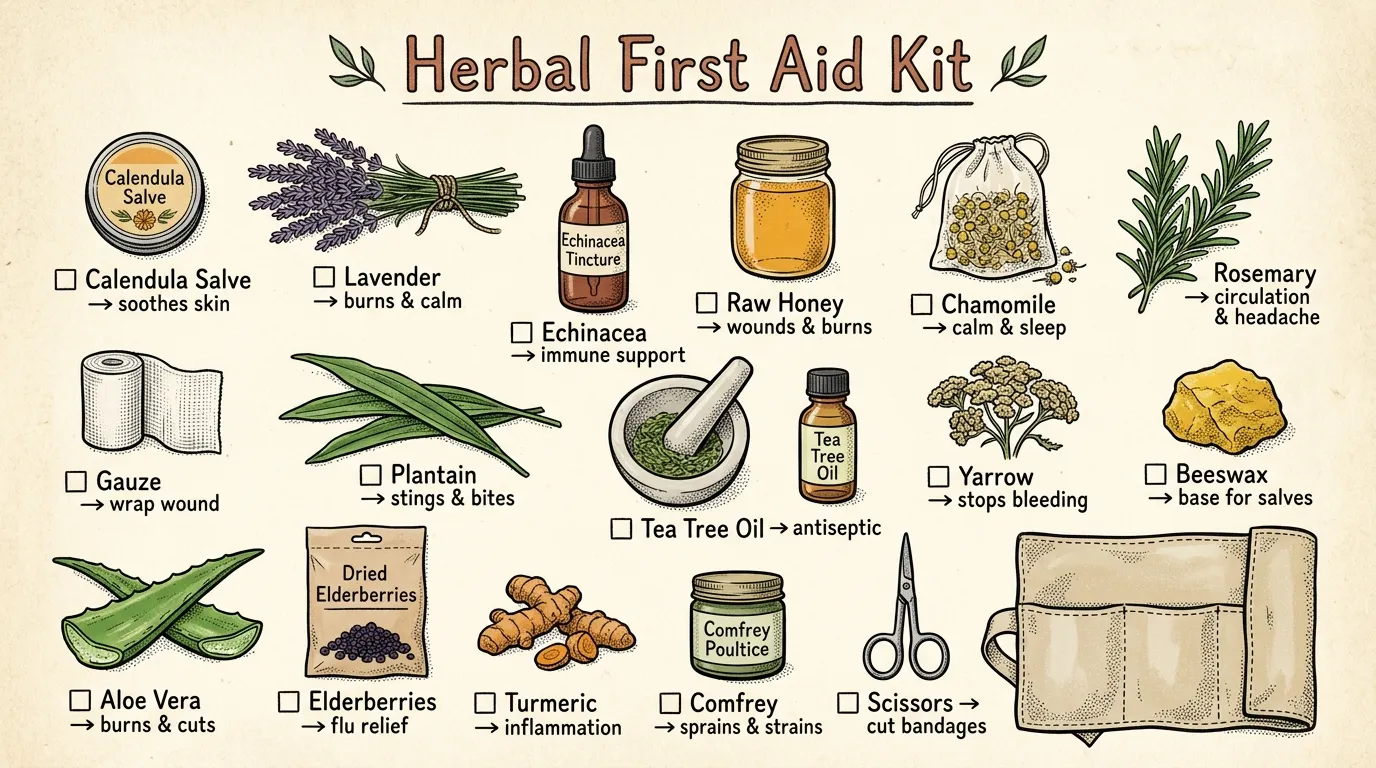
Herbal medicine isn't a replacement for modern trauma care — but it's a powerful complement, especially in prolonged emergencies where resupply isn't coming. The best approach is stocking herbs with well-documented first aid applications and learning safe use guidelines before you need them.
- Yarrow: A field-proven herb for slowing bleeding and supporting wound care
- Calendula: Excellent for skin irritation, minor burns, and wound healing as a salve or poultice
- Lavender: Calming properties plus topical use for minor burns and insect bites
- Chamomile: Supports digestive upset and mild anxiety — common issues in emergency scenarios
- Plantain (broadleaf): A go-to for stings, bites, and drawing out splinters
Start by growing or sourcing a few key herbs, learn to make basic tinctures and salves, and store them alongside your conventional kit. Know the contraindications — herbal doesn't mean harmless.
DIY Natural Disinfectants for Emergency Hygiene
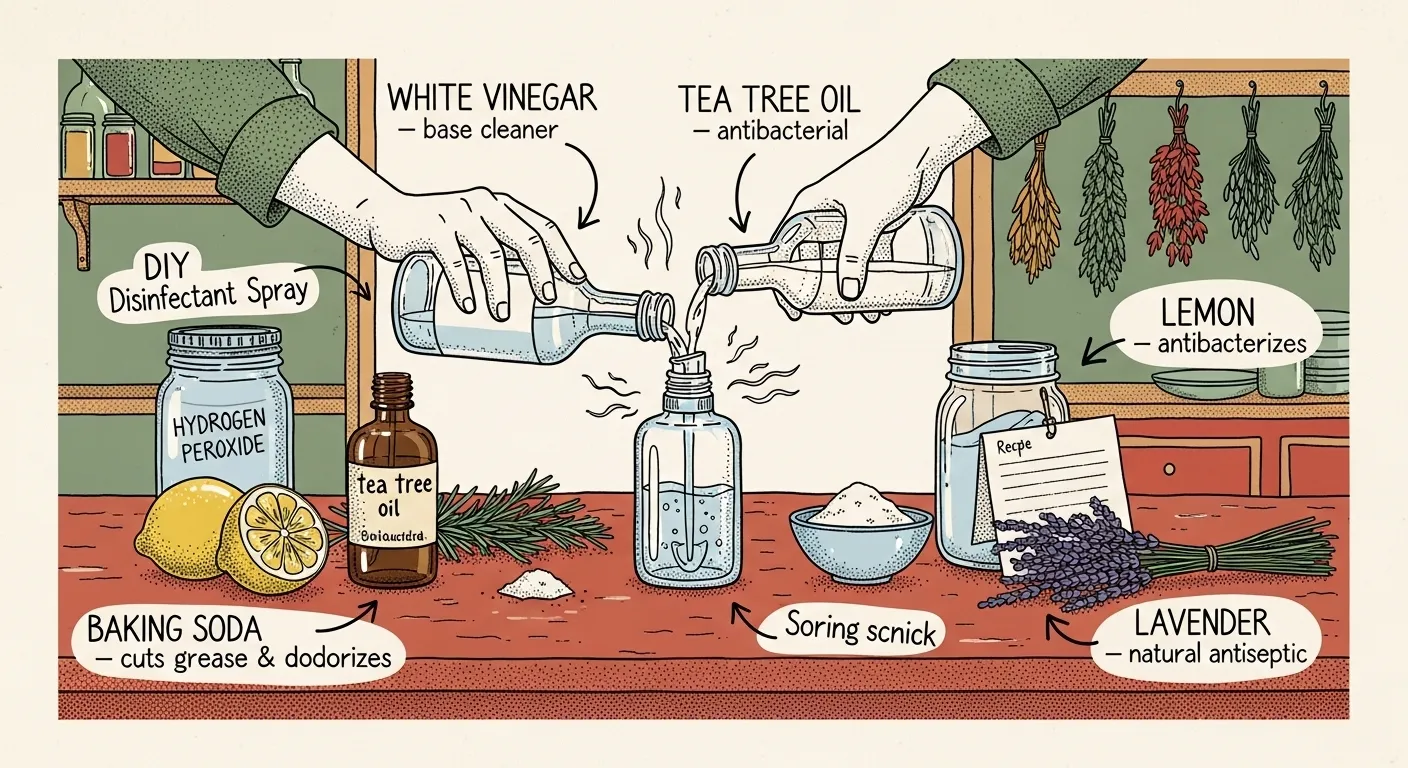
Infection control is first aid that most people overlook. In a grid-down or prolonged emergency scenario, commercial disinfectants may not be available — but you can make effective alternatives from simple, shelf-stable ingredients. Proper sanitation of surfaces, tools, and wounds drastically reduces infection risk, which matters enormously when antibiotics might be scarce.
- White vinegar solution: Effective for surface cleaning; combine with water in a 1:1 ratio for a general-purpose disinfectant
- Hydrogen peroxide (3%): Useful for surface disinfection — though not recommended for deep wound irrigation
- Essential oil blends: Tea tree and thyme oils have antimicrobial properties; add to vinegar solutions for boosted cleaning power
Safe storage matters: label everything clearly, keep solutions in dark or opaque containers, and store away from heat. Make small batches and rotate — potency decreases over time. Stock the raw ingredients so you can produce disinfectants on demand.
Integrating Your Conventional and Natural Kits
The real power in emergency first aid preparedness comes from integration. Your conventional trauma supplies handle the acute, life-threatening situations — tourniquets, chest seals, CPR. Your herbal kit fills in the gaps for ongoing care: wound healing, digestive issues, pain management, and morale. Your DIY disinfectants keep your environment and your equipment sanitary.
- Store conventional and herbal supplies in clearly labeled, separate compartments within your overall kit
- Create a quick-reference card listing what each item is for and basic dosing or application instructions
- Train with everything — don't let the first time you open a tourniquet or brew a tincture be during an actual emergency
- Maintain a rotation schedule that covers both commercial medical supplies and herbal preparations
Think of your preparedness as a layered system: modern medicine first, herbal support second, and clean conditions always. Each cluster article linked on this page goes deeper into its respective area — read them, practice, and build your confidence alongside your kit.
Maintenance, Training, and Staying Ready
A first aid kit you built two years ago and never touched is a liability, not an asset. Audit kits quarterly and do a full inventory every six months. Medications expire, adhesives degrade, herbal preparations lose potency, and your skills get rusty.
- Set calendar reminders for kit audits — check expiration dates, replace used or degraded items
- Take a hands-on first aid or CPR course annually; consider an accredited wilderness-medicine training course for remote or extended scenarios
- Practice making your natural disinfectants and herbal preparations so the process is second nature
- Run scenario drills with your household — everyone should know where the kit is and how to use the basics
Preparedness isn't a purchase — it's a practice. The gear matters, but your competence and confidence under pressure matter more. Start where you are, build systematically, and never stop learning.
The biggest gap in most people's preparedness isn't gear — it's the space between owning a kit and actually knowing how to use it under stress. Build a kit in layers, learn herbal and conventional approaches so they complement each other, and drill until the basics are automatic. That's what keeps people alive when the ambulance isn't coming.