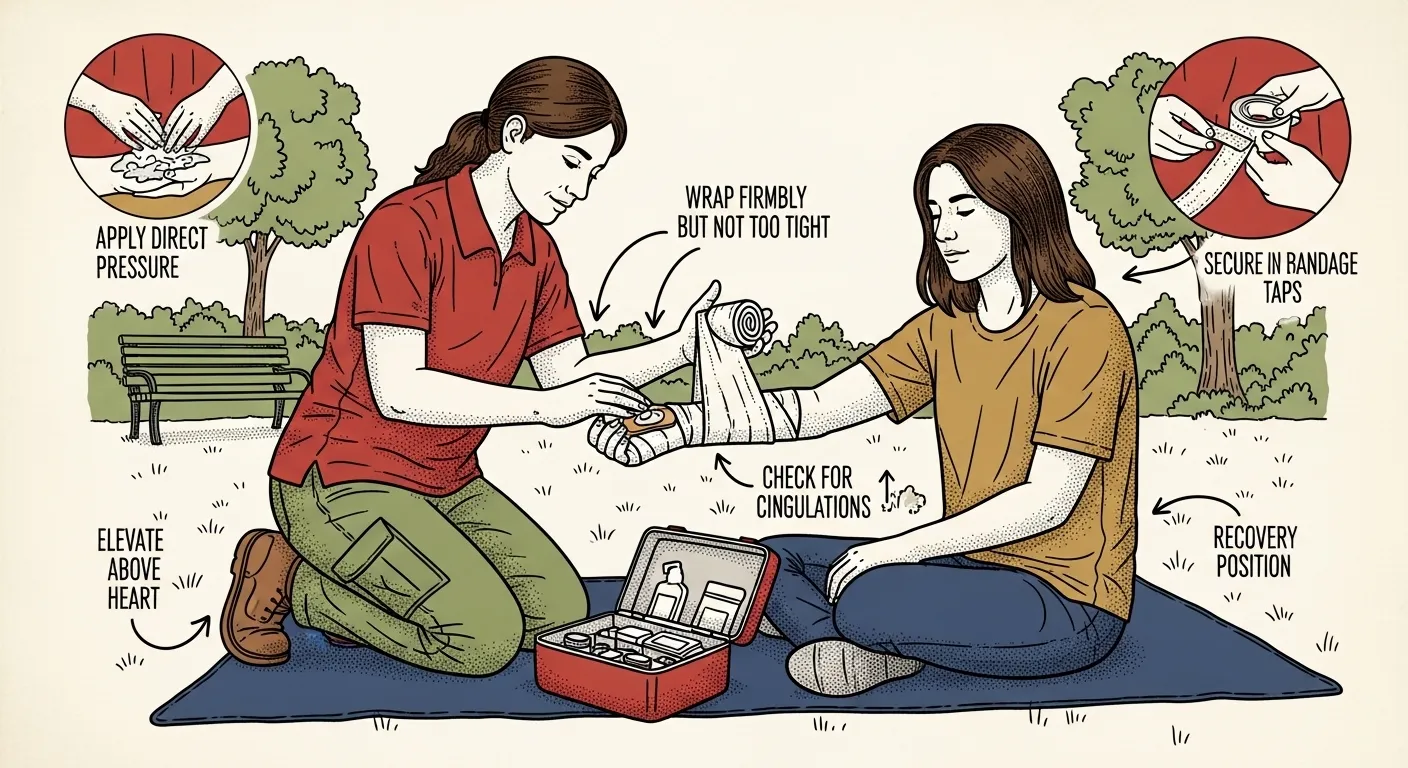
Emergency first aid basics for beginners include building a well-stocked first aid kit, learning CPR, and knowing how to respond to cuts, burns, sprains, severe bleeding, and shock. The most important first steps are ensuring scene safety, calling emergency services when needed, providing immediate care, and staying calm.
Key Takeaways
- Perform chest compressions at 100-120 per minute, 2 inches deep, using 30-to-2 compression-breath ratio.
- Inspect and restock your first aid kit every 6 to 12 months, replacing all expired items.
- Apply firm direct pressure to severe bleeding; add dressing layers without removing the original.
- Cool burns under running water for 10 to 20 minutes before covering loosely with a sterile dressing.
- Enroll in a certified hands-on CPR and first aid course through AHA, Red Cross, or a local provider.
Emergency First Aid Basics: Essential Skills, Kit Checklist, and CPR Guide
TL;DR
- Know these lifesaving steps: make the scene safe, call for help, check responsiveness and breathing, start CPR when necessary, control severe bleeding, and treat immediate threats first.
- Keep a compact, organized first aid kit and check it every 6 to 12 months.
- Take a certified, hands-on first aid and CPR course and refresh regularly.
Summary
Emergency first aid basics give you the skills to stabilize someone until professionals arrive. In an emergency, make the scene safe, call emergency services, check responsiveness and breathing, start CPR for someone who is unresponsive and not breathing normally, and control severe bleeding. A well-stocked kit plus practical training in CPR, hemorrhage control, and wound care makes these steps effective.
AHA and CDC recommend bystander CPR and basic trauma care. Local statistics and laws vary. Check regional data and Good Samaritan protections.
Key definitions
- First aid: Immediate care given until professional help arrives.
- CPR: Chest compressions and rescue breaths if trained, to maintain circulation when someone is unresponsive and not breathing normally.
- AED: Portable device that analyzes heart rhythm and delivers a shock if needed.
- Tourniquet: Tight device applied above a limb to stop life-threatening bleeding. Requires training to use correctly.
- Hemostatic dressing: Dressing that promotes clotting; use it with firm pressure or with a tourniquet in severe bleeding.
- Good Samaritan laws: Local protections for reasonable, voluntary aid. Details vary by jurisdiction.
Quick principles (high-priority actions)
- Scene safety: Remove or avoid hazards such as traffic, fire, electricity, or chemicals.
- Call for help: Dial emergency services or direct a bystander to call and report location and condition.
- Check responsiveness and breathing: Tap and shout. Look for normal breathing, not occasional gasps.
- Intervene on life threats: Start CPR for unresponsive, non-breathing people. Control severe bleeding. Clear choking airways if needed.
- Supportive care: Treat wounds, burns, and sprains. Monitor the person until EMS arrives.
Quick checklist for bystanders
- Ensure scene safety
- Assign someone to call emergency services
- Check responsiveness and breathing
- Start CPR if the person is unresponsive and not breathing normally
- Control severe bleeding using direct pressure, then a tourniquet if trained
- Keep the person warm and monitored
Building a practical first aid kit (portable, organized)
Checklist grouped for easy extraction:
- Wound care
- Assorted adhesive bandages, sterile gauze pads, rolled gauze, medical tape
- Antiseptic wipes, antibiotic ointment, tweezers, small scissors
- Bleeding control
- Trauma dressings, compression bandages, commercial tourniquet and training
- Hemostatic dressings when available, disposable nitrile gloves
- Burn and cold care
- Sterile nonstick dressings, burn dressings or gel, instant cold packs
- Immobilization and tools
- Elastic wraps, SAM splint or similar, finger splints, shears, thermometer
- Medications and rehydration
- Acetaminophen or ibuprofen, antihistamines, epinephrine auto-injector if prescribed, oral rehydration packets
- Rescue and protective items
- CPR barrier mask, emergency blanket, flashlight or headlamp with spare batteries, notepad and pen
- Extras
- Water purification tablets, zip bags for used dressings
Storage and maintenance
- Keep kits in strategic spots: home, car, workplace, grab bag.
- Label contents and keep an inventory. Replace expired items every 6 to 12 months.
CPR and AED — core, actionable steps (adult)
- Check scene safety.
- Tap and shout to assess responsiveness.
- Call emergency services and send someone for an AED if available.
- If unresponsive and not breathing normally, start chest compressions.
- Hand placement: center of the chest, lower half of the sternum.
- Use the heel of one hand over the other and lock your elbows.
- Rate: 100-120 compressions per minute. Depth: about 2 inches (5 cm) for adults.
- If trained and willing, use 30 compressions to 2 breaths with a barrier device. If not trained, do hands-only CPR.
- Use an AED as soon as it is available. Turn it on and follow voice prompts. Make sure no one touches the person during rhythm analysis or shock.
Training recommendation: Take an in-person certified CPR course (AHA, Red Cross, or a local provider) for infant and child modifications and hands-on practice.
Hemorrhage control (severe bleeding)
Priority actions
- Call emergency services immediately.
- Apply firm, direct pressure with clean dressings.
- If the dressing soaks through, add layers. Do not remove the original dressing.
- If bleeding remains uncontrolled and you are trained, apply a commercial tourniquet above the wound.
- Use hemostatic dressings with pressure when available.
- Monitor for shock. Keep the person warm and still. Do not offer food or drink if major surgery is likely.
Timely hemorrhage control prevents many trauma deaths.
Managing common injuries (concise, stepwise)
- Cuts and scrapes
- Wear gloves. Stop bleeding with pressure. Rinse with clean water. Apply ointment and a sterile dressing. Seek care for deep wounds, embedded objects, animal bites, or tetanus concerns.
- Burns
- Remove the heat source. Cool with running water for 10 to 20 minutes. Remove jewelry and clothing that are not stuck to the skin. Cover loosely. Seek urgent care for large, deep, facial, hand, foot, joint, chemical, or electrical burns.
- Sprains and strains
- Rest, ice in short intervals, compression, and elevation. Get evaluated if the person cannot bear weight, pain is severe, or there is deformity.
- Choking
- If the person cannot breathe or speak, call emergency services and perform abdominal thrusts if trained. If the person becomes unresponsive, begin CPR and look for objects when safe.
- Shock
- Signs include pale, cool, clammy skin, rapid breathing, and confusion. Lay the person flat if tolerated, keep them warm, call emergency services, and monitor airway and breathing.
- Overdose and poisoning
- Contact poison control and EMS. Use naloxone for opioid overdose if available and you are trained.
Psychological first aid (brief)
- Offer calm, simple reassurance and brief instructions.
- Keep the person safe and physically comfortable.
- Listen without minimizing feelings. Refer for professional help if symptoms persist.
Staying calm and leading others (practical tips)
- Mental checklist: scene safety, responsiveness, breathing, call for help, address the worst problem.
- Assign tasks by description or name. For example, you in the red jacket, call 911.
- Take one breath to steady yourself before acting.
- Use concise reassurance. Do not let background noise delay care.
Training, practice, and legal considerations
- Take certified courses for CPR, first aid, and bleeding control.
- Run drills at home or work. Review your kit every 6 to 12 months.
- Know local Good Samaritan laws and mandatory reporting requirements.
Action plan (what to do today)
- Assemble or update a first aid kit using the checklist above.
- Enroll in a certified first aid and CPR course with hands-on practice.
- Review and practice an emergency plan at home or work: evacuation routes, meeting points, and communication.
- Repeat training and kit checks every 6 to 12 months.
FAQ (concise)
Q: What are the essential components of an emergency first aid kit? A: Minimum items: adhesive bandages, sterile gauze, tape, antiseptic wipes, antibiotic ointment, gloves, scissors or shears, tweezers, pain relievers, elastic wraps, and a CPR barrier device. Add a tourniquet and hemostatic dressings for high-risk settings.
Q: How do you perform CPR correctly? A: Ensure scene safety, check responsiveness, call EMS, check breathing. If unresponsive and not breathing normally, begin compressions at 100-120 per minute, about 2 inches deep for adults. If trained, alternate 30 compressions with 2 breaths and use an AED as soon as possible.
Q: When should I seek professional medical care? A: Seek care for severe bleeding, deep or gaping wounds, suspected fractures, large or deep burns, head injuries with altered mental status, signs of shock, or whenever you are unsure. Call emergency services for immediate threats.
Q: Is reading enough to be prepared? A: Reading helps, but hands-on training and periodic practice build skill and confidence.
References and further reading
- American Heart Association: CPR guidance
- Centers for Disease Control and Prevention: injury prevention
- National Safety Council: first aid training resources
The Complete
Prepper's Reference.
149 articles synthesized into one comprehensive PDF — twelve chapters covering water, food, shelter, first aid, comms, and scenario-specific preparedness. Free with your email.
Unsubscribe anytime · We never share your email
You're in. Check your inbox.
Keep Reading
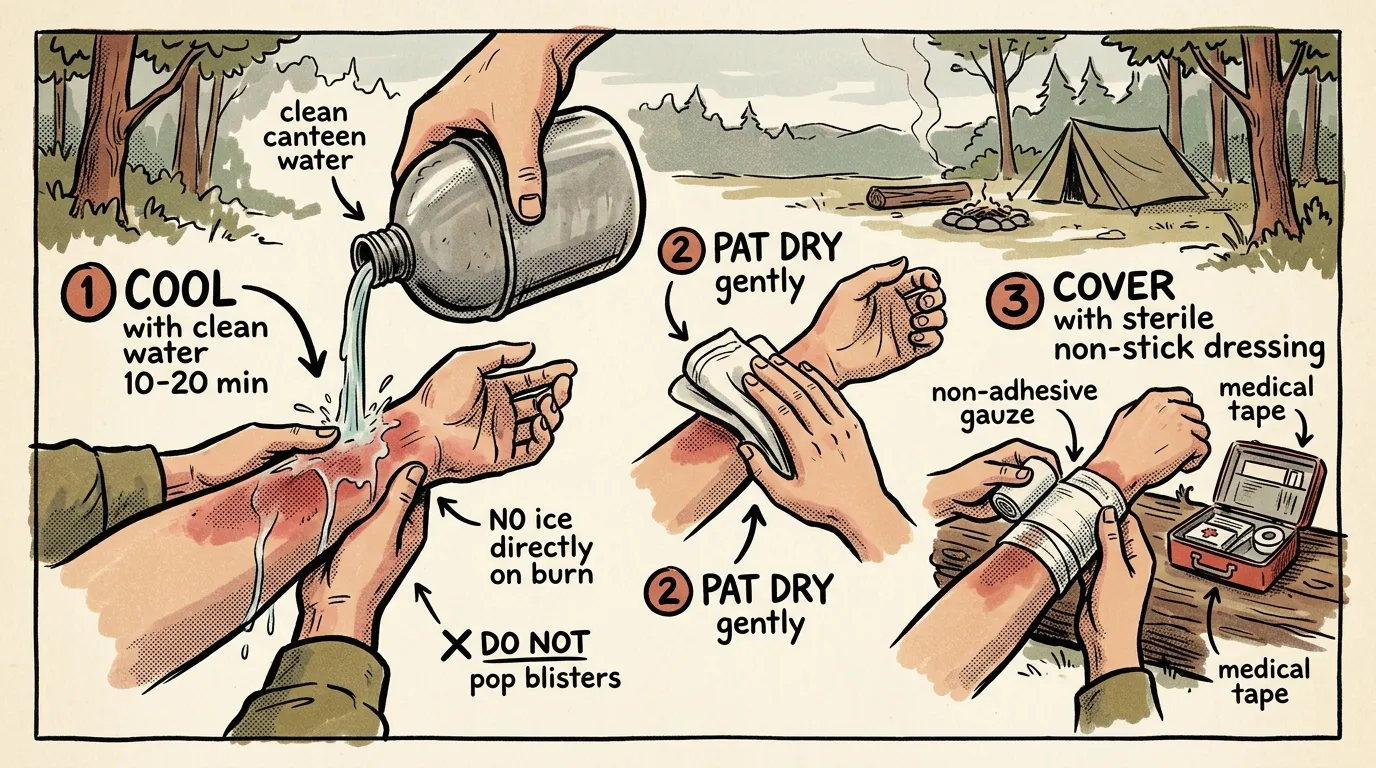
How to Treat Burns in the Field: Step-by-Step Guide
Learn how to treat burns in the field with this protocol. Cool, clean, cover — plus when to evacuate. Step-by-step guide.
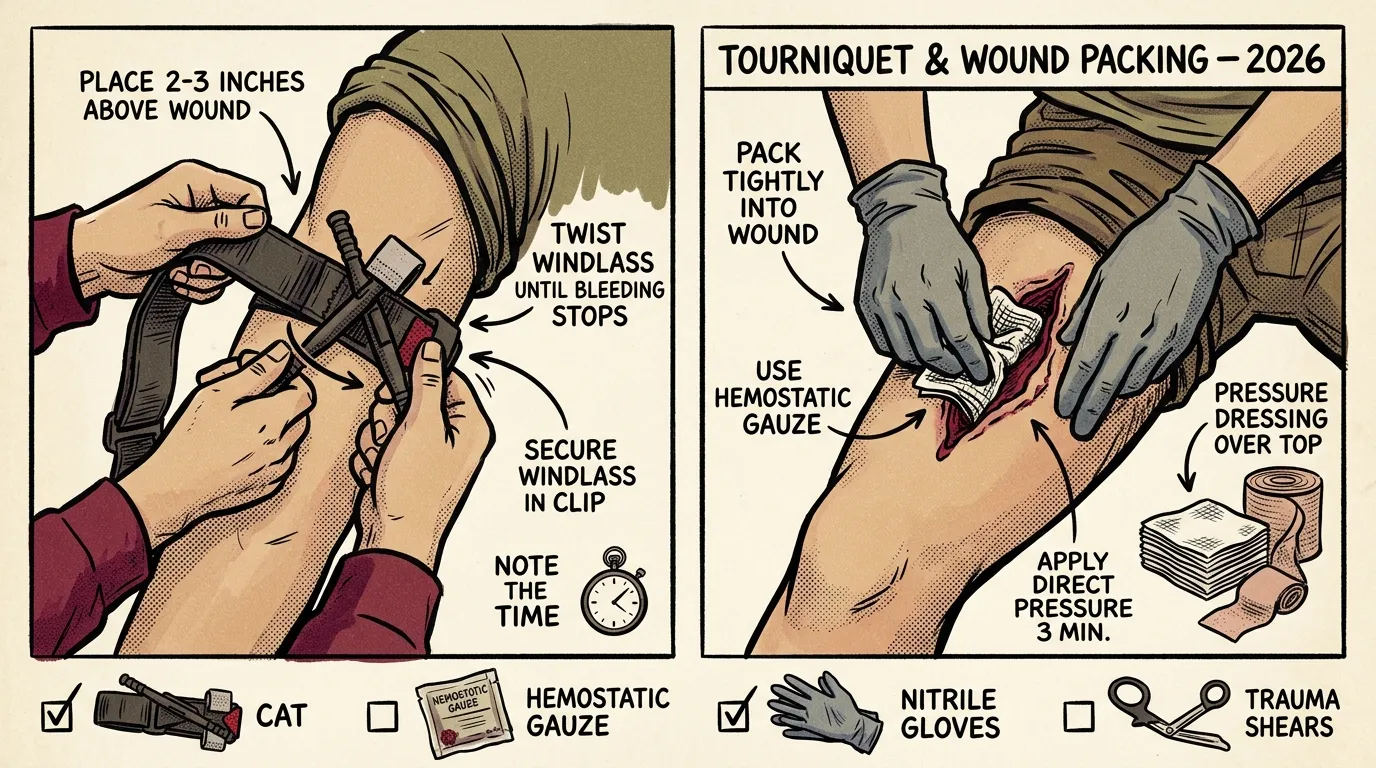
How to Use a Tourniquet and Pack a Wound (2026)
Learn how to use a tourniquet and pack a wound step by step.
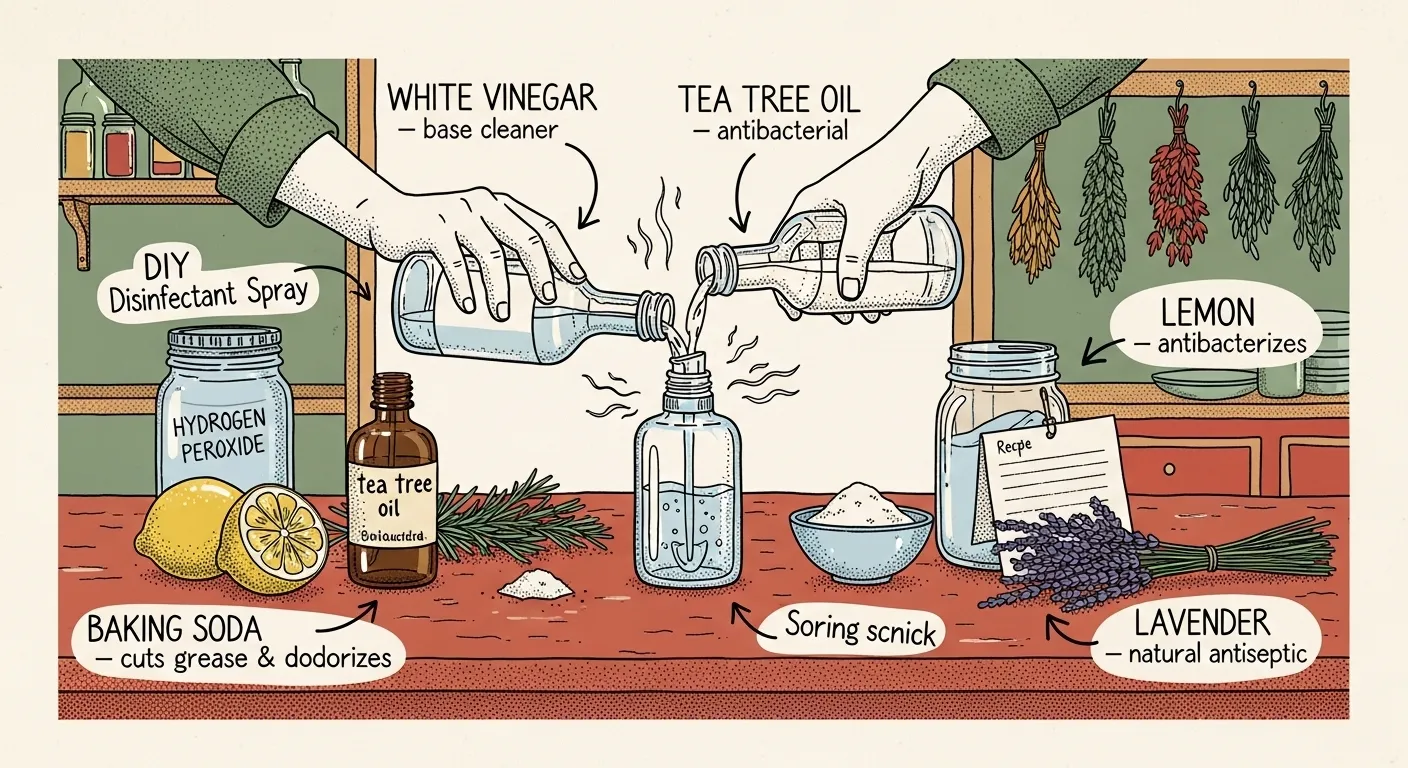
How to Make Your Own Natural Disinfectants
Learn how to make DIY natural disinfectants with simple ingredients, safe storage tips, and prepper-friendly recipes for a cleaner home.