Understanding the Tornado Threat
Tornadoes can occur in all 50 states, but the highest concentration of activity hits the central and southern US from March through June. These storms form rapidly — sometimes with less than 13 minutes of warning — and produce winds exceeding 200 mph in the most severe cases. Understanding the difference between a tornado watch (conditions are favorable for tornado development) and a tornado warning (a tornado has been sighted or detected on radar) is foundational to your response.
Key risk factors include:
- Warm, humid air colliding with cool, dry fronts
- Supercell thunderstorms, particularly in the late afternoon and evening
- Geographic exposure — open plains, mobile home communities, and areas without basements face elevated risk
- Nighttime tornadoes, which are statistically more deadly because people are asleep and less likely to receive warnings
You don't need to live in "Tornado Alley" to be at risk. The Southeast US sees some of the deadliest tornadoes annually due to population density, mobile housing, and fast-moving storm systems.
Identifying and Preparing Your Tornado Shelter
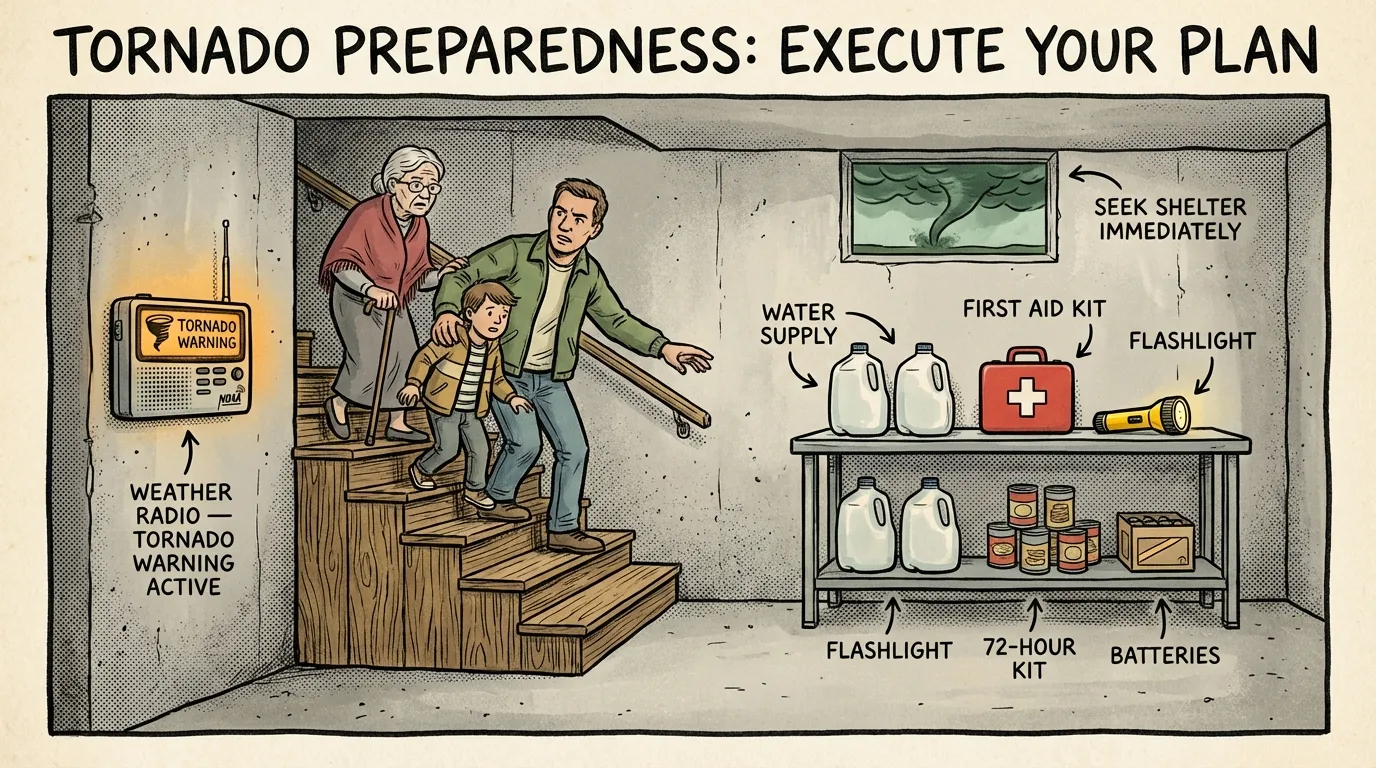
Your tornado shelter is the single most important factor in survivability. If you have a basement, designate a corner away from windows, ideally under a staircase or heavy workbench. If you don't have a basement — and millions of Americans don't — your shelter is an interior room on the lowest floor: a bathroom, closet, or hallway with no windows.
Specific shelter guidelines:
- Basement: Move under a sturdy table or workbench. Stay away from the southwest corner (a myth persists that this is safest — it isn't).
- Interior room: Choose the smallest room with the most walls between you and the outside. Bathrooms with plumbing in the walls offer marginally more structural support.
- Mobile homes: Evacuate. No mobile home is safe in a tornado, regardless of tie-downs. Identify a nearby permanent structure or community storm shelter before season begins.
- Vehicles: Never try to outrun a tornado. If caught in the open, get to a low-lying ditch and lie flat, covering your head.
If you're in a tornado-prone area and lack a basement, look into FEMA-approved safe rooms or underground storm shelters. The ICC 500 standard is the benchmark to look for.
Building Your Tornado Emergency Kit
A tornado kit is different from a general 72-hour bag because the immediate threat is impact injury, structural collapse, and loss of utilities — not extended wilderness survival. Your kit should be stored in or near your designated shelter and ready to grab in under 60 seconds.
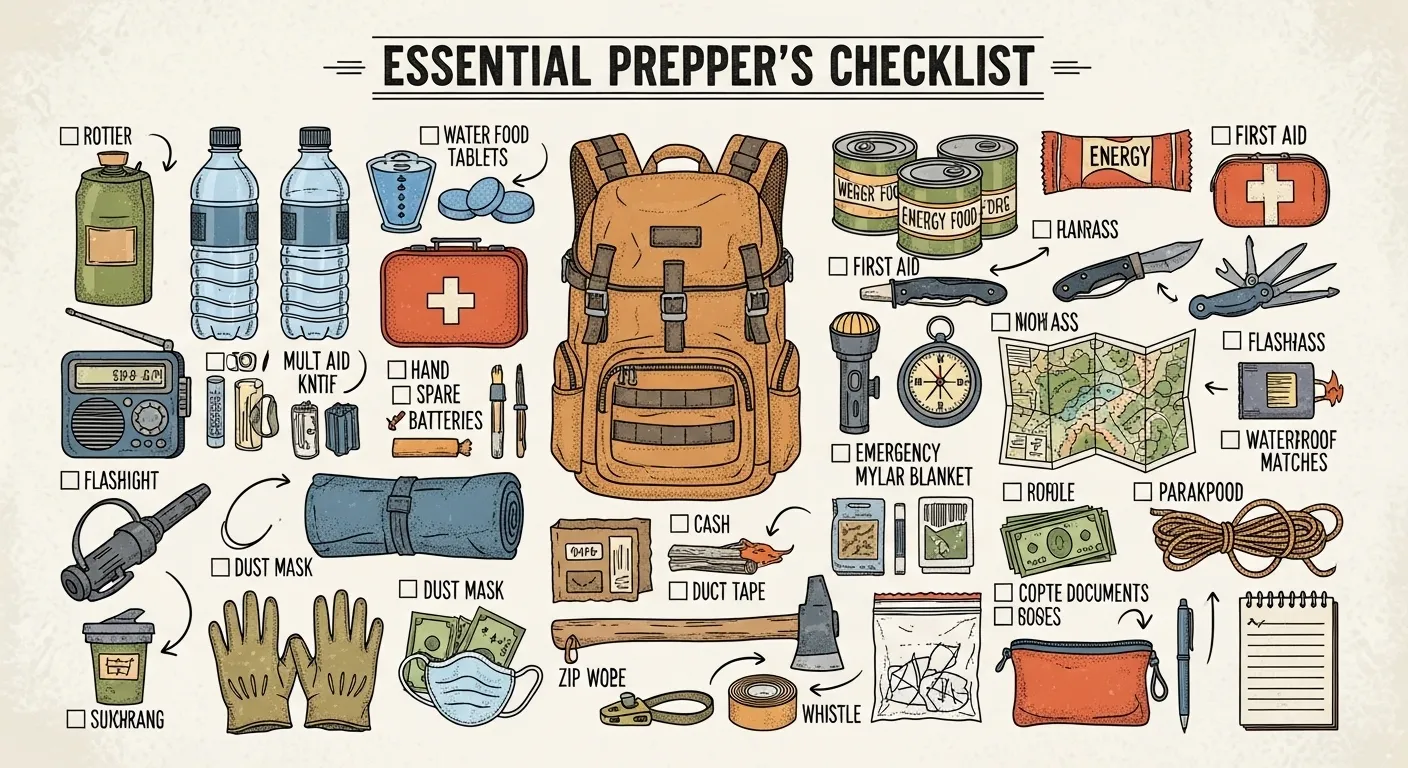
Your tornado emergency kit should include:
- Helmets — bicycle or construction helmets for every household member. Head injuries are the leading cause of tornado fatalities. This is non-negotiable.
- Hard-soled shoes — stored in a bag near your shelter. Post-tornado debris fields are full of nails, glass, and splintered wood.
- NOAA weather radio with battery backup — do not rely solely on your phone.
- Flashlights and extra batteries — power loss is nearly guaranteed.
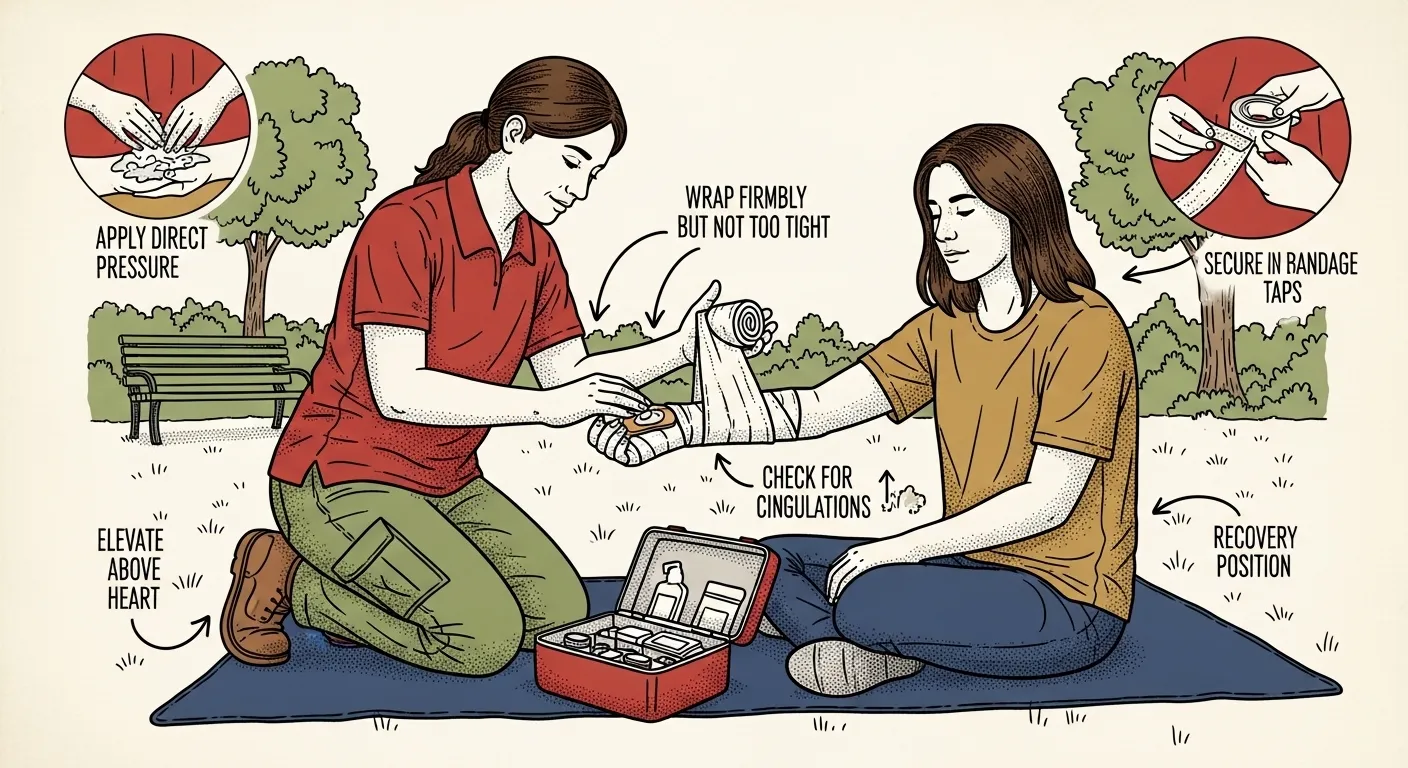
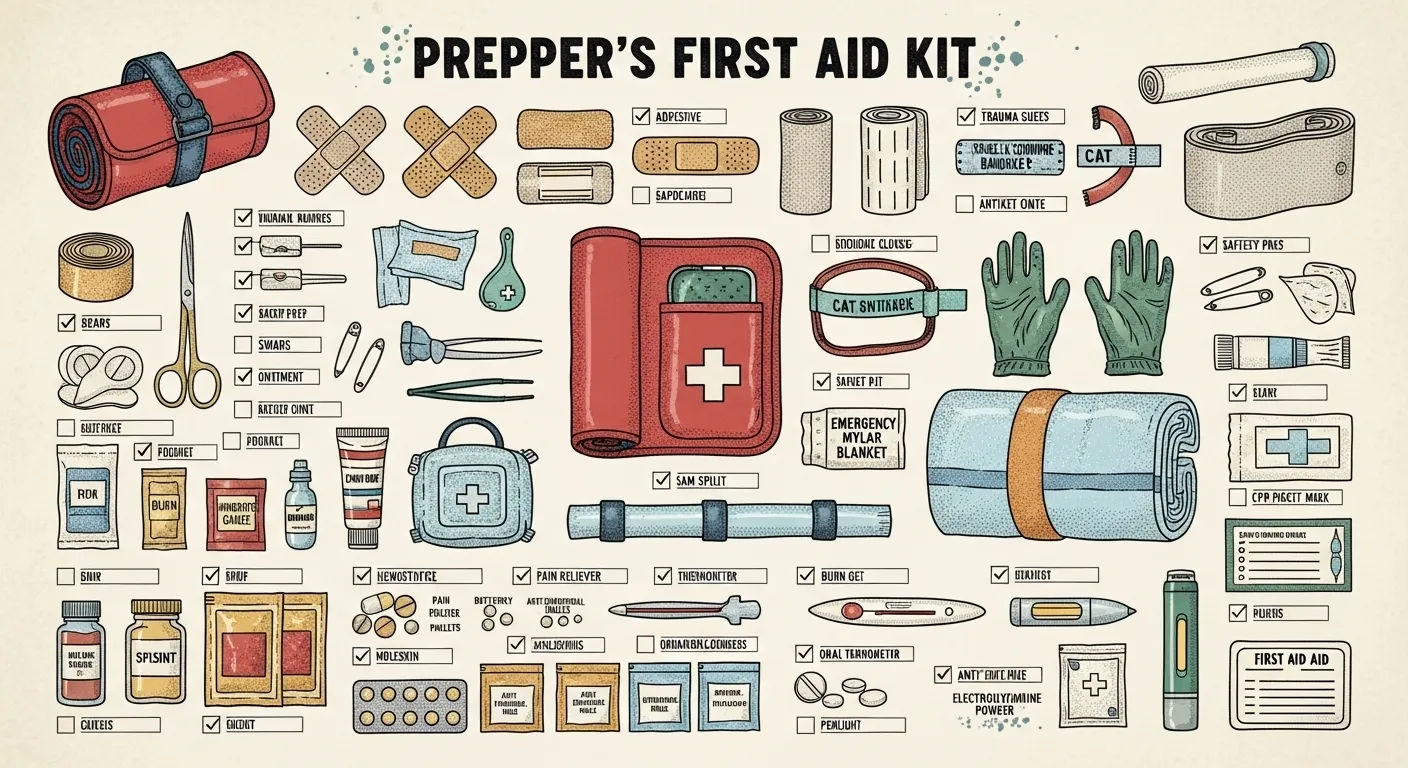
- First aid kit with trauma supplies: gauze, pressure bandages, a tourniquet, and medical tape.
- Water — one gallon per person per day, minimum three days' supply.
- Whistle — to signal rescuers if you're trapped under debris.
- Copies of critical documents in a waterproof bag: IDs, insurance policies, medication lists.
- Phone charger and portable battery bank — fully charged before storm season.
Keep this kit consolidated in a single bag or bin. If it's scattered across your house, it's useless when you have 8 minutes to act.
Creating a Family Communication Plan
When a tornado hits, cell towers go down, power goes out, and family members may be separated at work, school, or in transit. A communication plan built before an emergency eliminates panic and dangerous decision-making during one.
Build your plan around these elements:
- Designate an out-of-area contact: Choose a friend or relative in another state as your family's central check-in point. After a disaster, long-distance calls often connect before local ones.
- Ensure every family member has the contact's number memorized — not just saved in a phone that may be dead or lost.
- Establish a reunion point: If your home is destroyed, where does your family meet? Pick two locations — one near your home and one outside your neighborhood.
- Text, don't call: Text messages use far less bandwidth and are more likely to go through when networks are overloaded.
- Practice the plan: Run through it at least twice before peak season. Include children. If they can't explain the plan back to you, simplify it.
Write the plan on a physical card that each family member carries in their wallet, backpack, or purse. Digital is great until the grid fails.
Preparing Your Family and Household
Preparedness isn't just about gear — it's about behavior under stress. The families who fare best in tornadoes are the ones who've practiced their response until it's automatic.
Household preparation steps:
- Run tornado drills: Practice getting every household member from wherever they are to your shelter within 90 seconds. Do it at night, too — nighttime tornadoes are real and deadly.
- Prepare children honestly: Use age-appropriate language. Frame drills as practice, not fear. Kids who know the plan are calmer than kids who don't.
- Account for pets: Keep leashes and carriers near your shelter. Identify pet-friendly emergency shelters in your area ahead of time.
- Secure your property: Trim dead trees and branches that could become projectiles. Anchor outdoor furniture, grills, and trampolines. These steps won't stop a direct hit, but they reduce injury risk from peripheral winds.
- Review insurance coverage: Confirm your homeowner's or renter's policy covers tornado and wind damage. Document your possessions with a video walkthrough — upload it to cloud storage, not just your phone.
- Know your community resources: Locate your nearest public storm shelter, Red Cross chapter, and community emergency management office before you need them.
Staying Informed: Alerts and Warning Systems
Your ability to respond to a tornado depends entirely on how quickly you receive reliable information. Do not rely on a single source — redundancy saves lives.
- NOAA Weather Radio (NWR): This is your most reliable alert tool. Purchase a Specific Area Message Encoding (SAME) enabled radio so it only activates for warnings in your county. Keep it on 24/7 during tornado season.
- Wireless Emergency Alerts (WEA): These are the alerts pushed to your smartphone. Make sure they're enabled in your phone settings — some people unknowingly turn them off.
- Local TV and radio: During active severe weather, local meteorologists provide real-time radar interpretation that national outlets can't match.
- Weather apps: Apps like RadarScope or the official NWS app give you radar access. Learn to read basic radar signatures like hook echoes and debris balls — these indicate tornado activity.
Keep a NOAA weather radio in the shelter area and another in the bedroom — it needs to wake you at 2 AM. That's the whole point.
After the Tornado: Immediate Safety Steps
The danger doesn't end when the winds stop. Post-tornado environments are some of the most hazardous situations you'll encounter, and injuries after the storm are extremely common.
- Stay in your shelter until you've confirmed the warning has expired. Multiple tornadoes can form from the same storm system.
- Put on hard-soled shoes and gloves before moving through debris. Puncture wounds and lacerations are the most common post-tornado injuries.
- Check for gas leaks: If you smell gas or hear hissing, leave immediately and call your utility company from a safe distance. Do not flip light switches or use open flames.
- Do not enter damaged structures until they've been assessed. Partial collapses can continue for hours after a tornado.
- Photograph all damage before moving or cleaning anything — your insurance claim depends on documentation.
- Check on neighbors, especially elderly residents, people with disabilities, and anyone living alone. Community response fills the gap before official responders arrive.
If you're trapped, cover your mouth with cloth to avoid inhaling dust and debris, bang on a pipe or wall to signal rescuers, and use your whistle. Shouting should be a last resort — it uses energy and you risk inhaling particulates.
The single cheapest thing that does the most to save a life in a tornado is a $15 bike helmet stored in the shelter spot. Head injuries are what kill people in tornadoes — not wind, not rain. Put helmets in the closet, run a drill with the family this weekend, and make sure the NOAA radio has fresh batteries. That's 90% of the work, and it can be done today.