Building Your Emergency Pantry: Where to Start
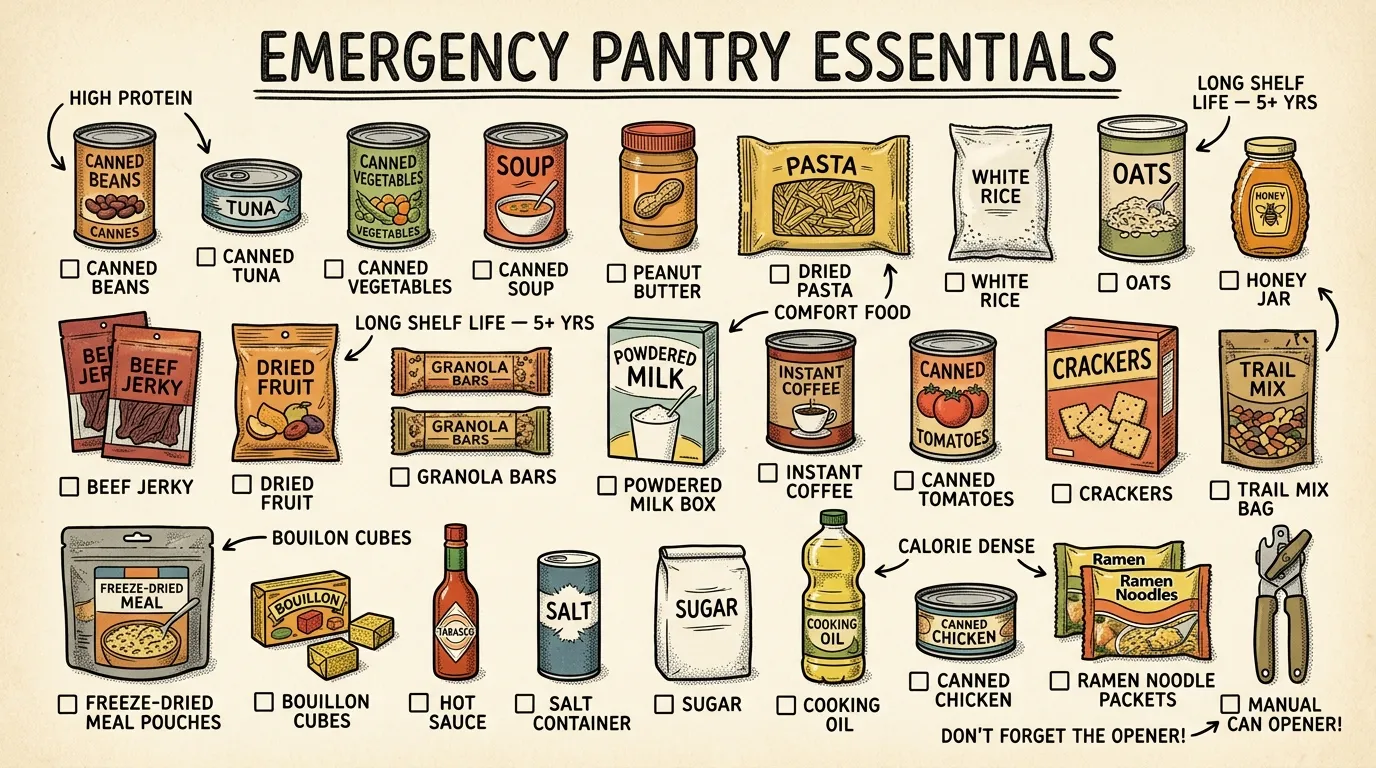
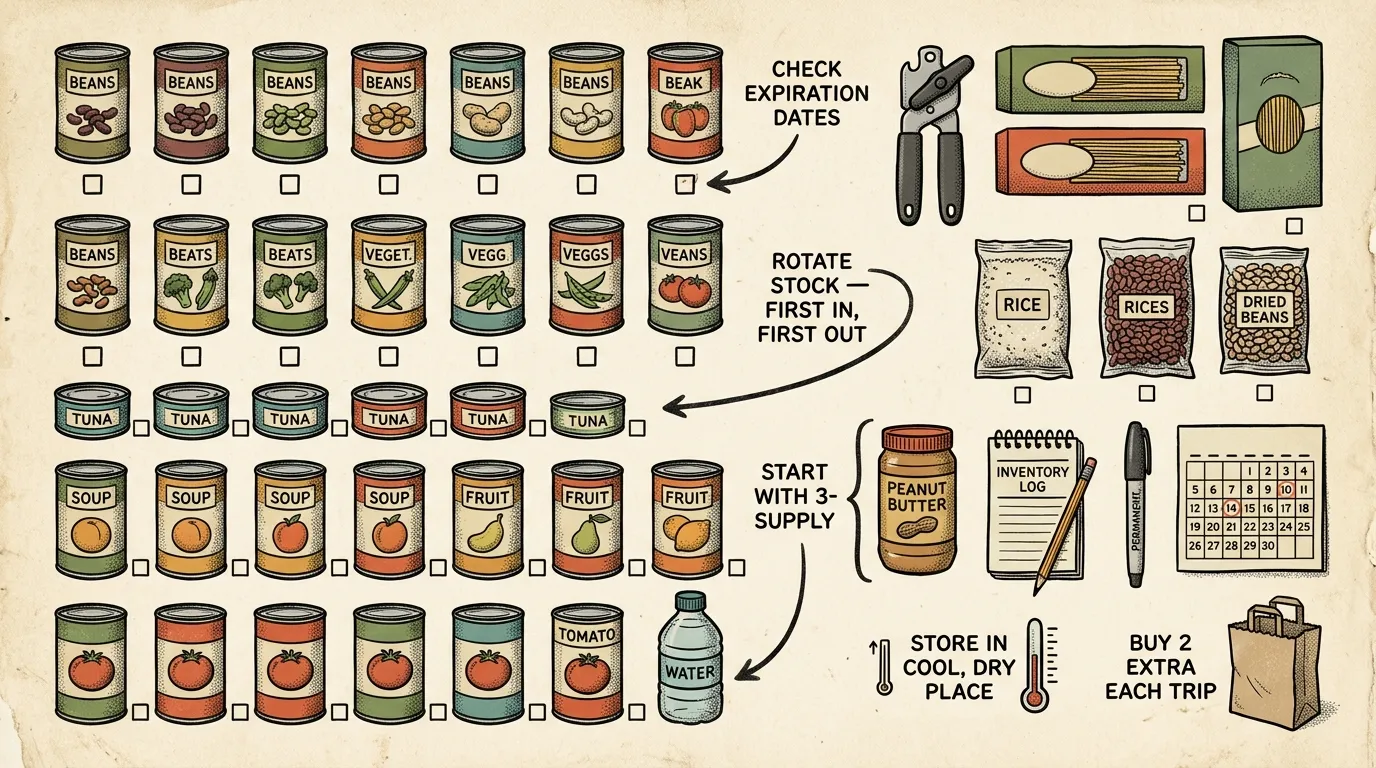
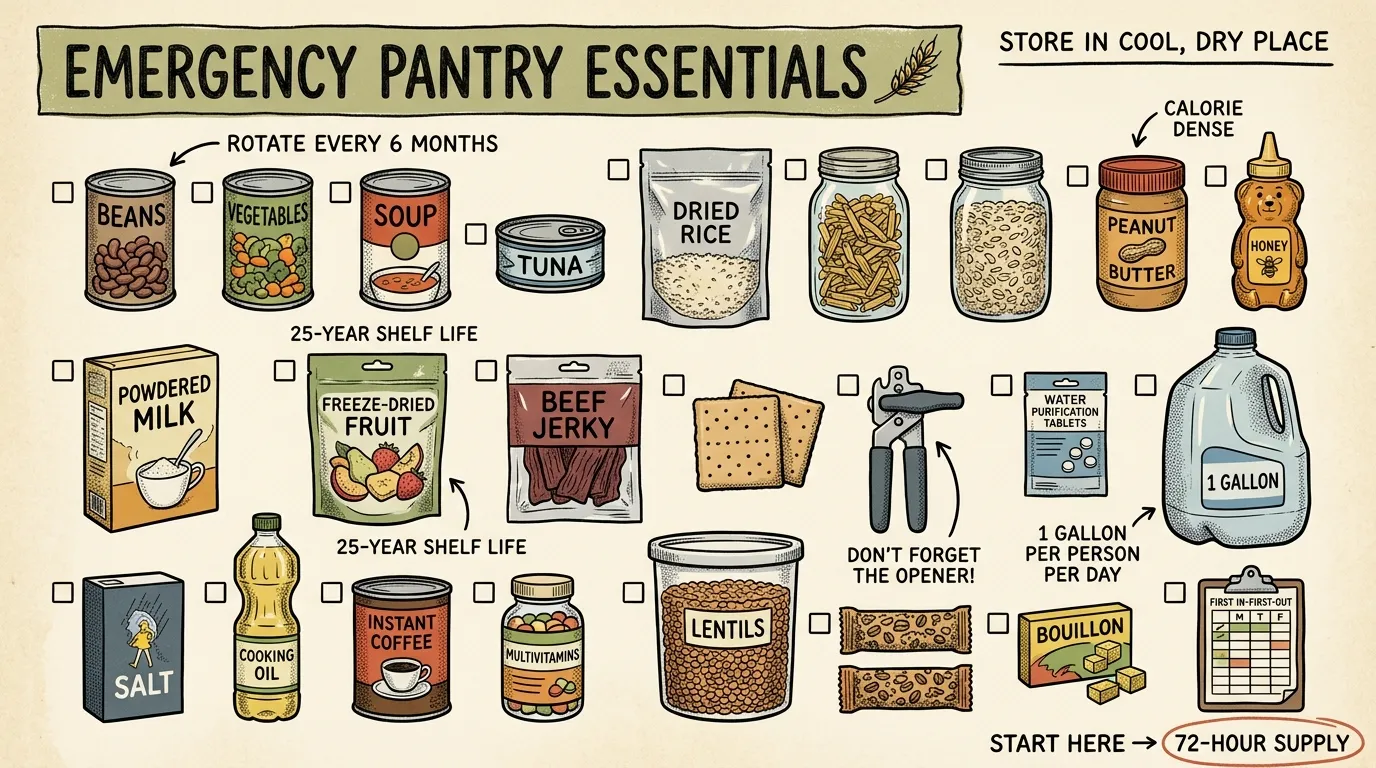
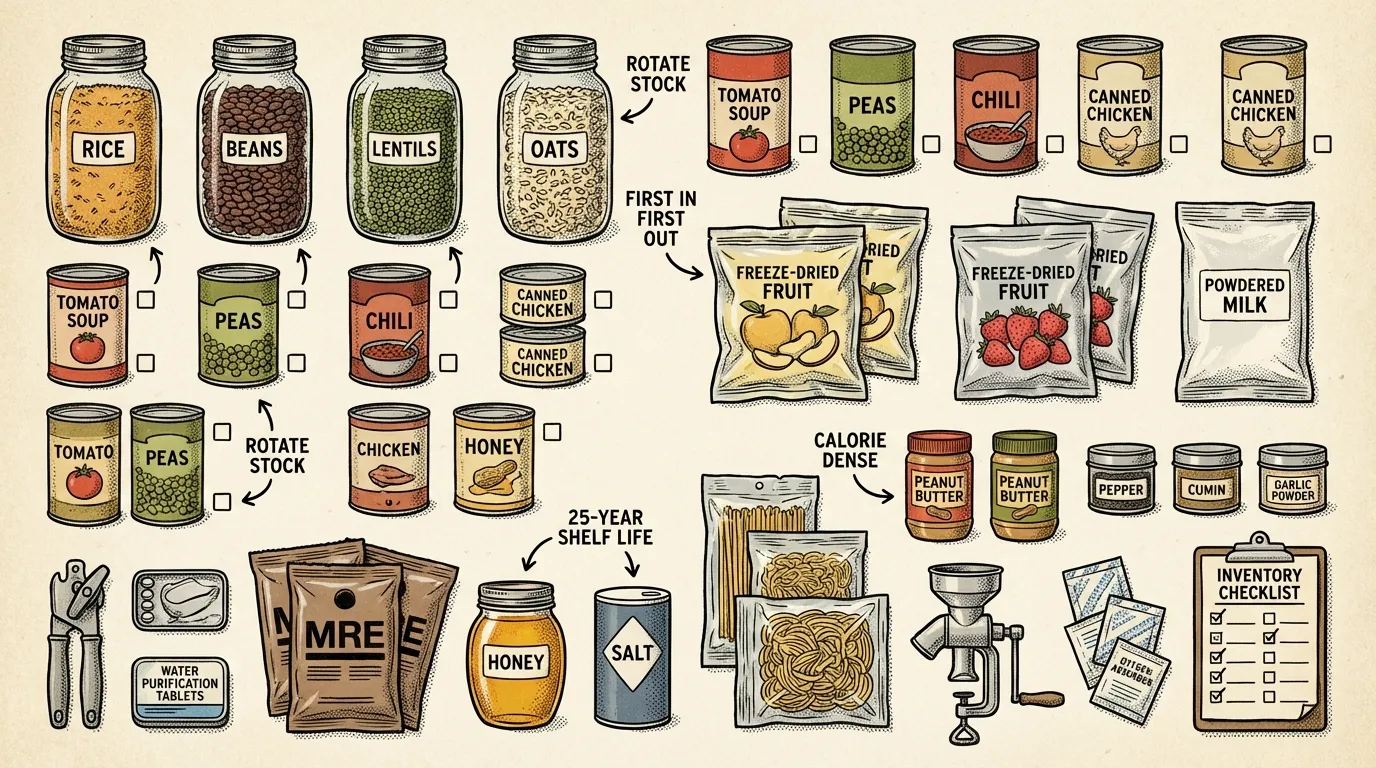
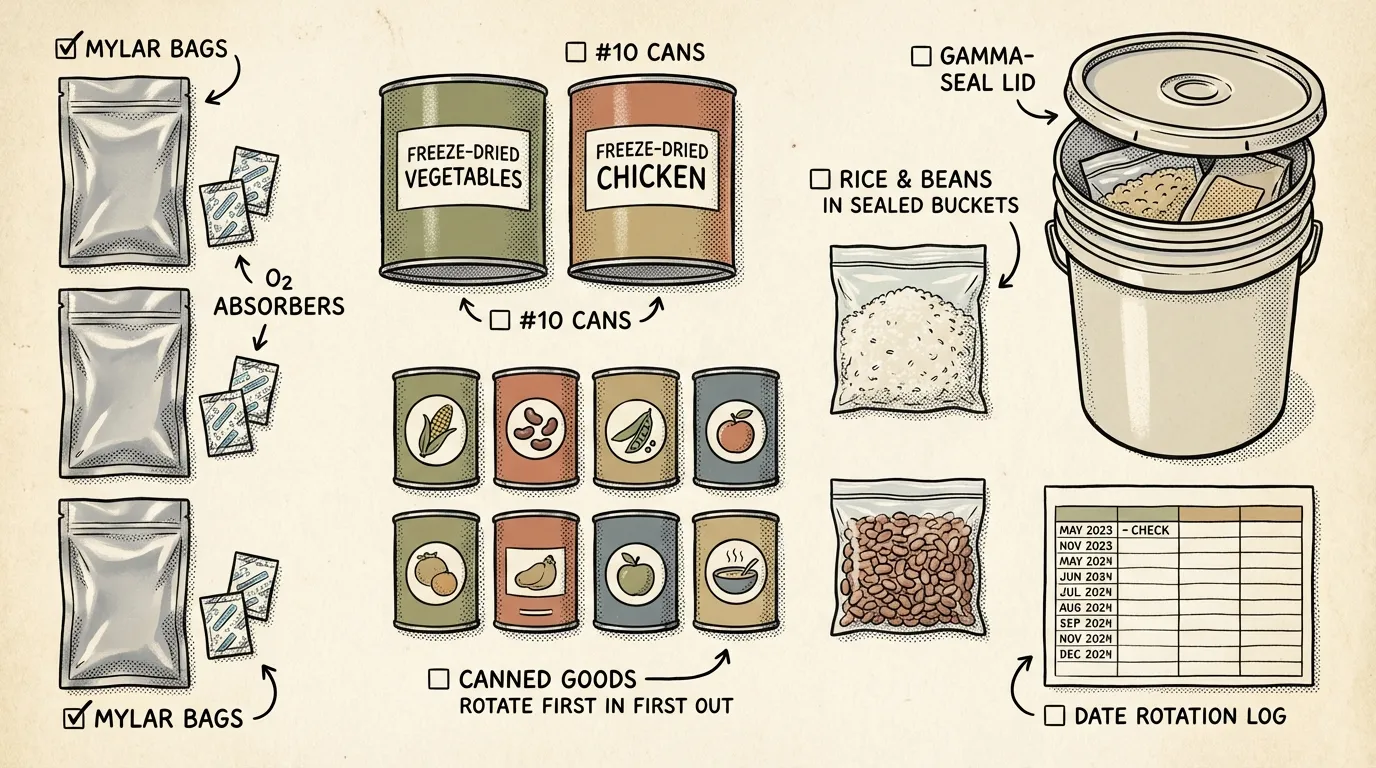
Every food storage plan starts with the pantry. The goal is simple: shelf-stable calories, nutrition, and variety that your family will actually eat. Begin with canned goods — they're affordable, widely available, and require zero special equipment to store. Layer in dry staples like rice, beans, oats, pasta, and powdered milk. From there, consider freeze-dried options for longer shelf life and lighter weight. The key is to buy what you eat and eat what you store, rotating stock so nothing expires on the shelf.
- Beginner Food Prepping Essentials — your first emergency pantry checklist
- How to Start Stockpiling Food: Canned Goods & Beginner Guide — budget-friendly, step-by-step stocking plan
- Non-Perishable Food Items: Best Emergency Pantry Guide — nutrition planning and common beginner mistakes
- The Prepper Pantry: Stocking Up Like a Pro — quantities, organization, and what most people get wrong
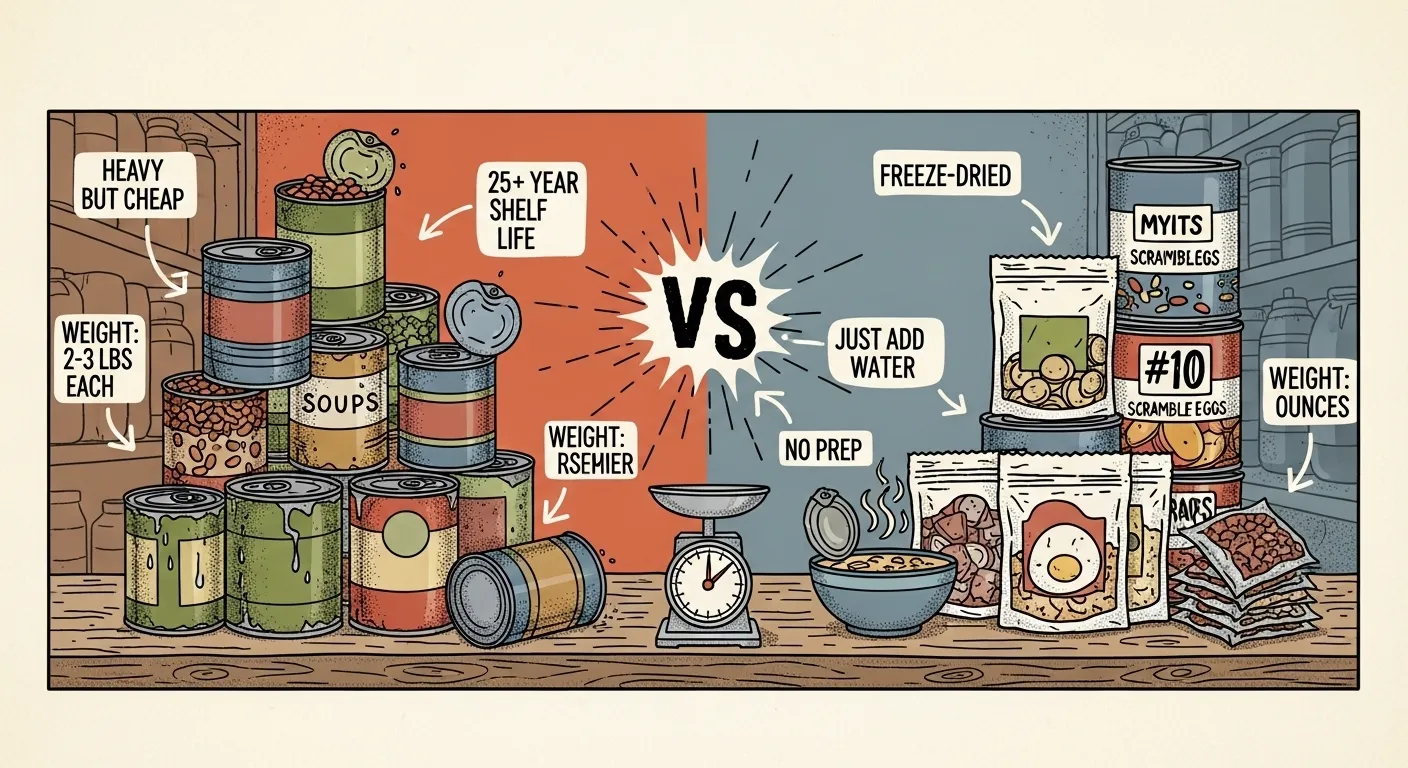
- Canned vs. Freeze-Dried: The Ultimate Prepper Showdown — side-by-side comparison on cost, shelf life, and convenience
Storage Methods, Shelf Life & Organization
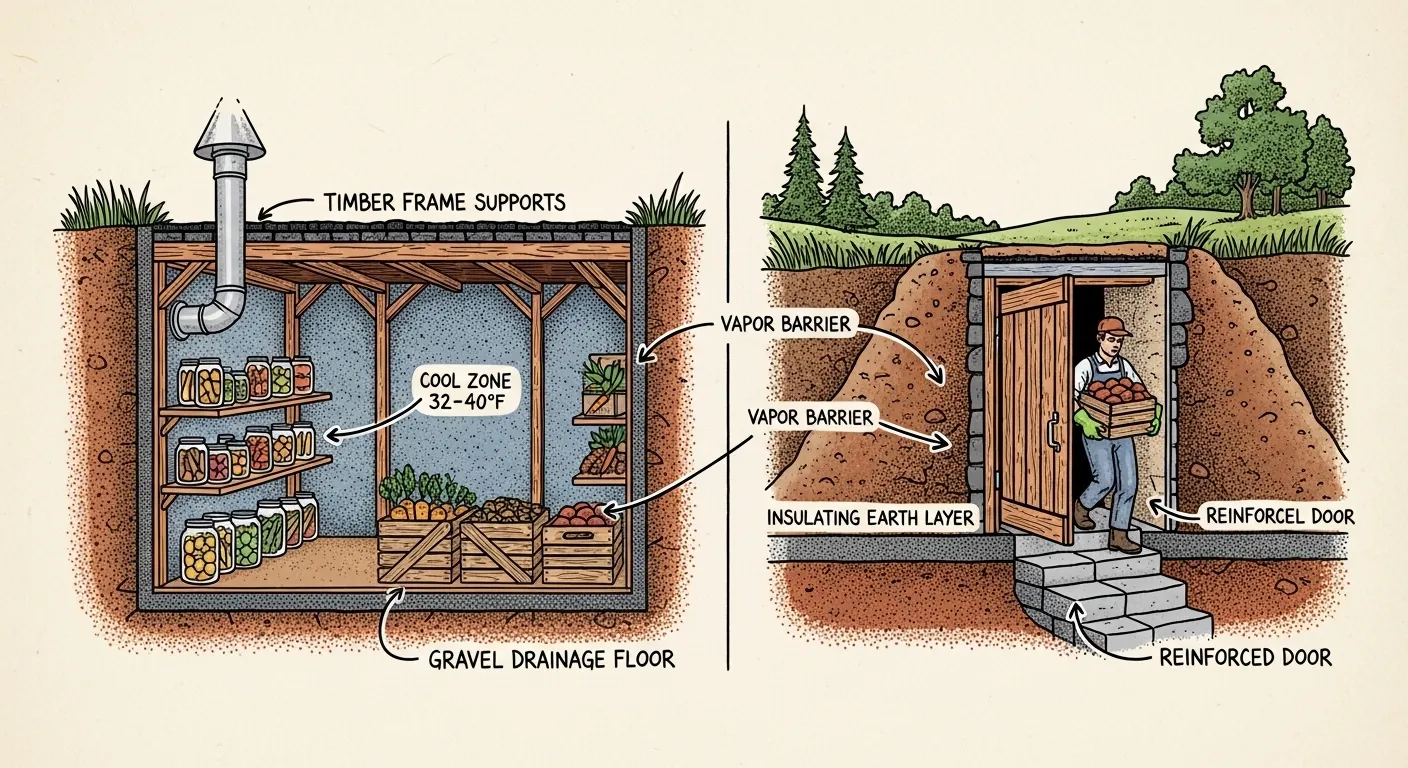
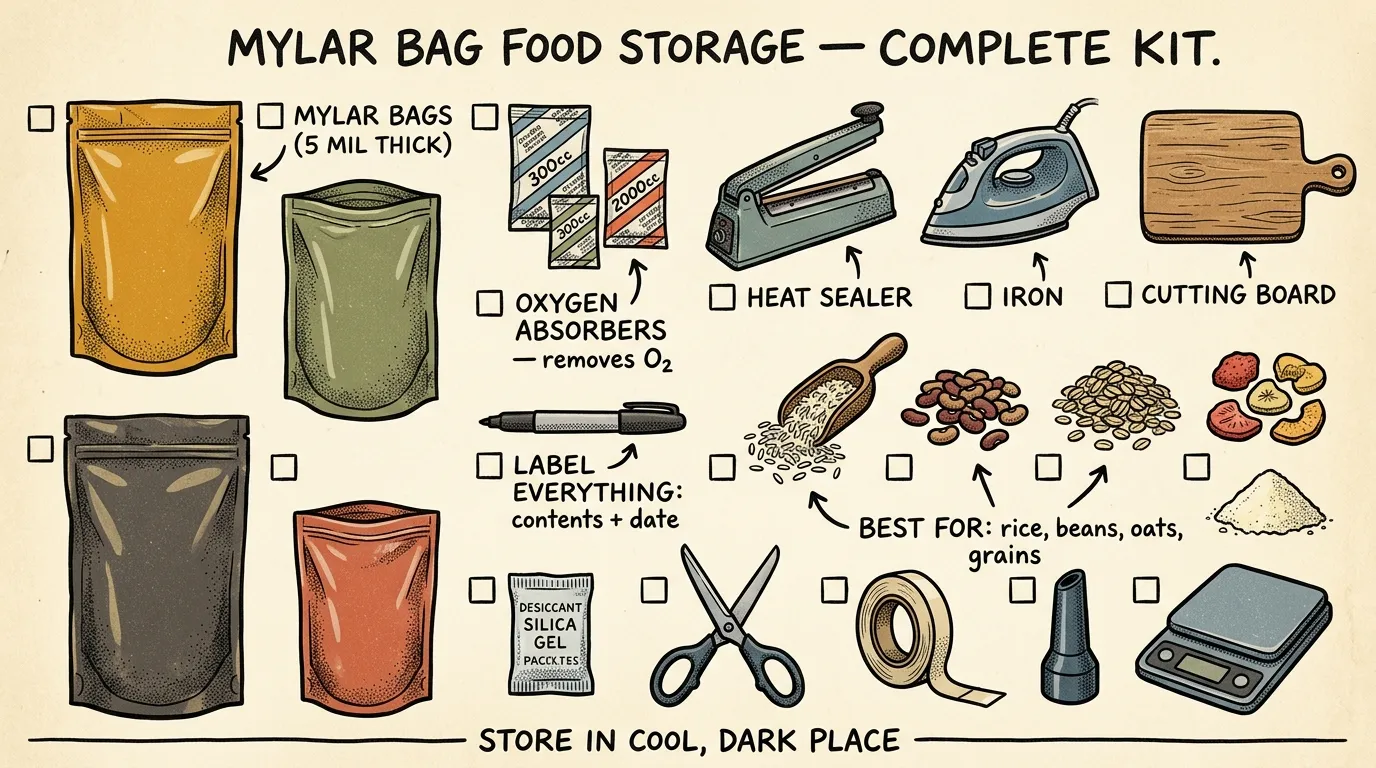
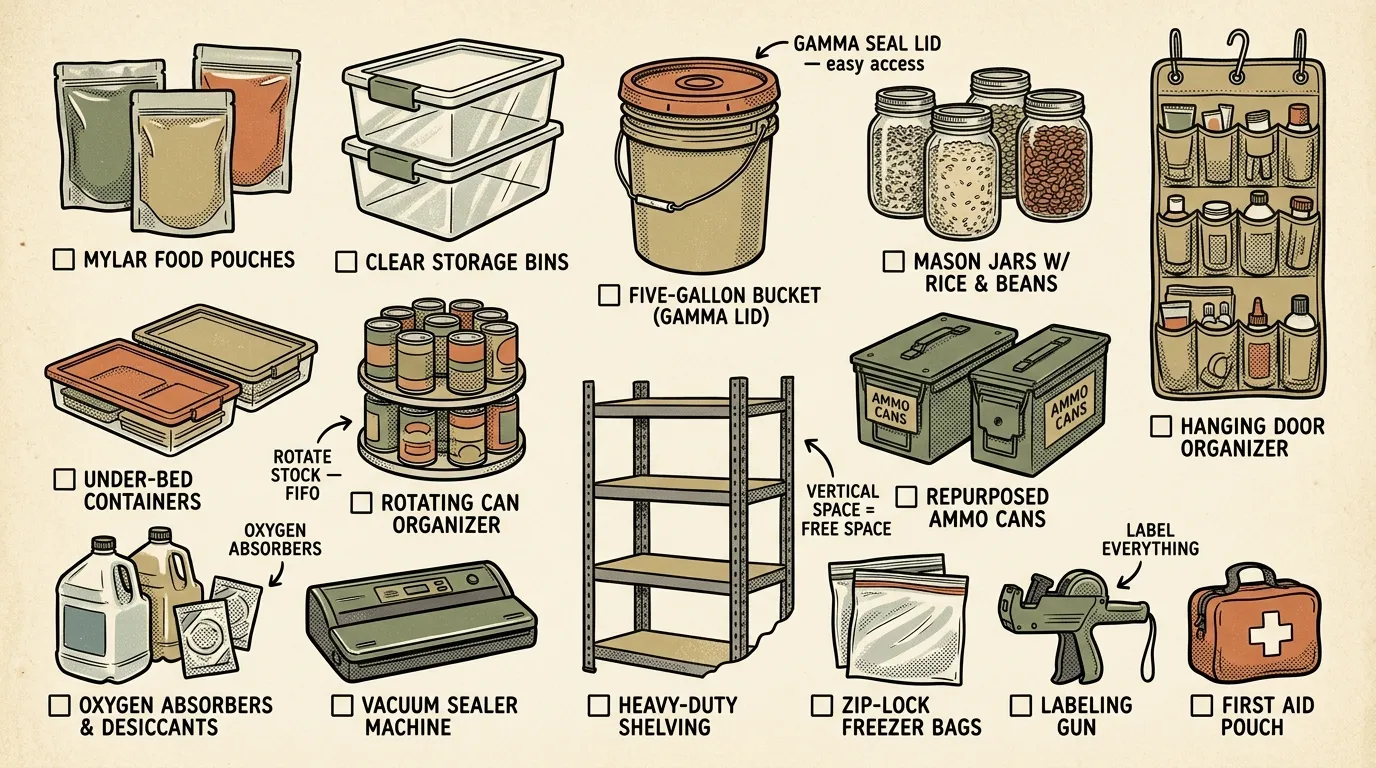
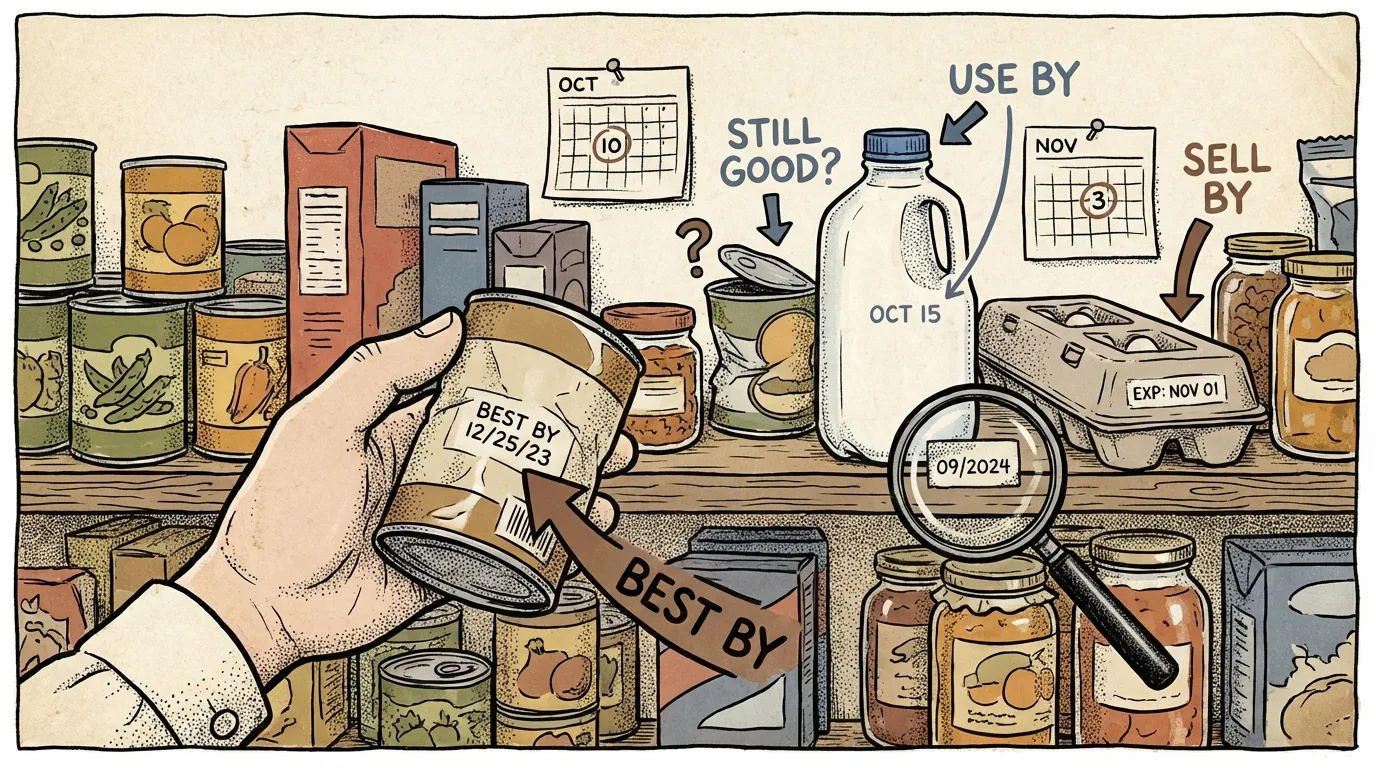
Having the right food means nothing if it spoils before you need it. Understanding expiration dates is critical — most are quality indicators, not hard safety deadlines, and many staples last far beyond what's printed on the label. For long-term bulk storage, mylar bags paired with oxygen absorbers are the gold standard, protecting dry goods from light, moisture, and oxygen for 25+ years. A DIY root cellar gives you a naturally cool, dark environment for produce, canned goods, and preserved foods. And smart spatial organization — room-by-room plans, vertical shelving, FIFO rotation — keeps everything accessible and accounted for.
- Mylar Bags for Food Storage: Complete Guide — thickness, sealing, oxygen absorbers, and mistakes to avoid
- Understanding Food Expiration Dates — what dates really mean and which staples last longest
- How to Build a DIY Root Cellar — simple steps and budget-friendly materials
- Prepper Storage Solutions: Save Space & Stay Ready — budget tiers, room-by-room plans, and rotation systems
Food Preservation: Jerky, Dehydrating & Long-Term Techniques
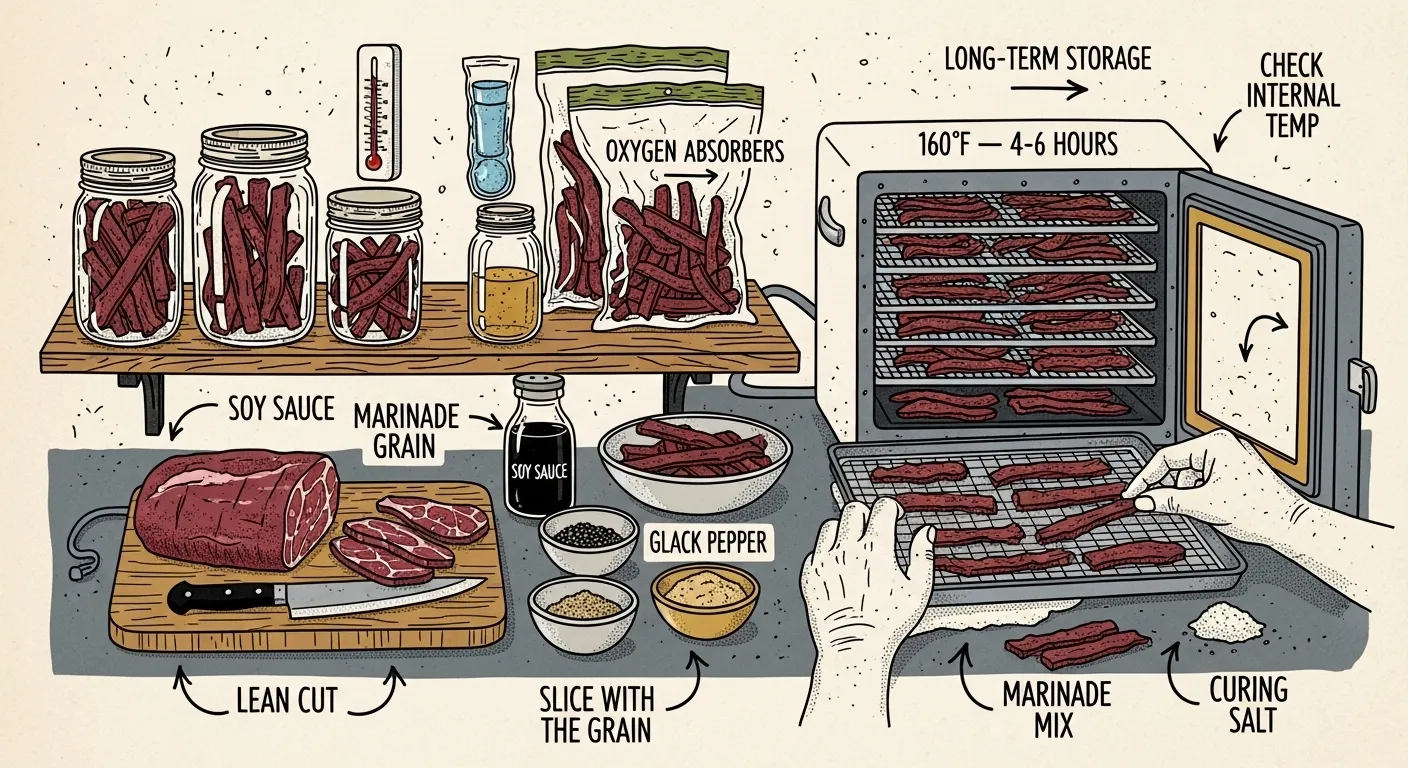
Store-bought isn't your only option. Making your own preserved foods — especially jerky — gives you control over ingredients, cost, and shelf life. Homemade jerky, properly dried and stored, is a lightweight, protein-dense addition to any emergency supply. The process is straightforward: choose lean cuts, apply a cure or marinade with adequate salt, dry at safe temperatures, and store in airtight containers or vacuum-sealed bags. Combined with mylar bag storage for dry goods and a root cellar for fresh produce, you can build a preservation system that covers proteins, grains, and vegetables without relying on a freezer or constant electricity.
- How to Make Your Own Jerky for Long-Term Storage — safe drying methods, simple recipes, and prepper-friendly storage tips
Growing Your Own Food: Prepper Gardens & Community Resilience
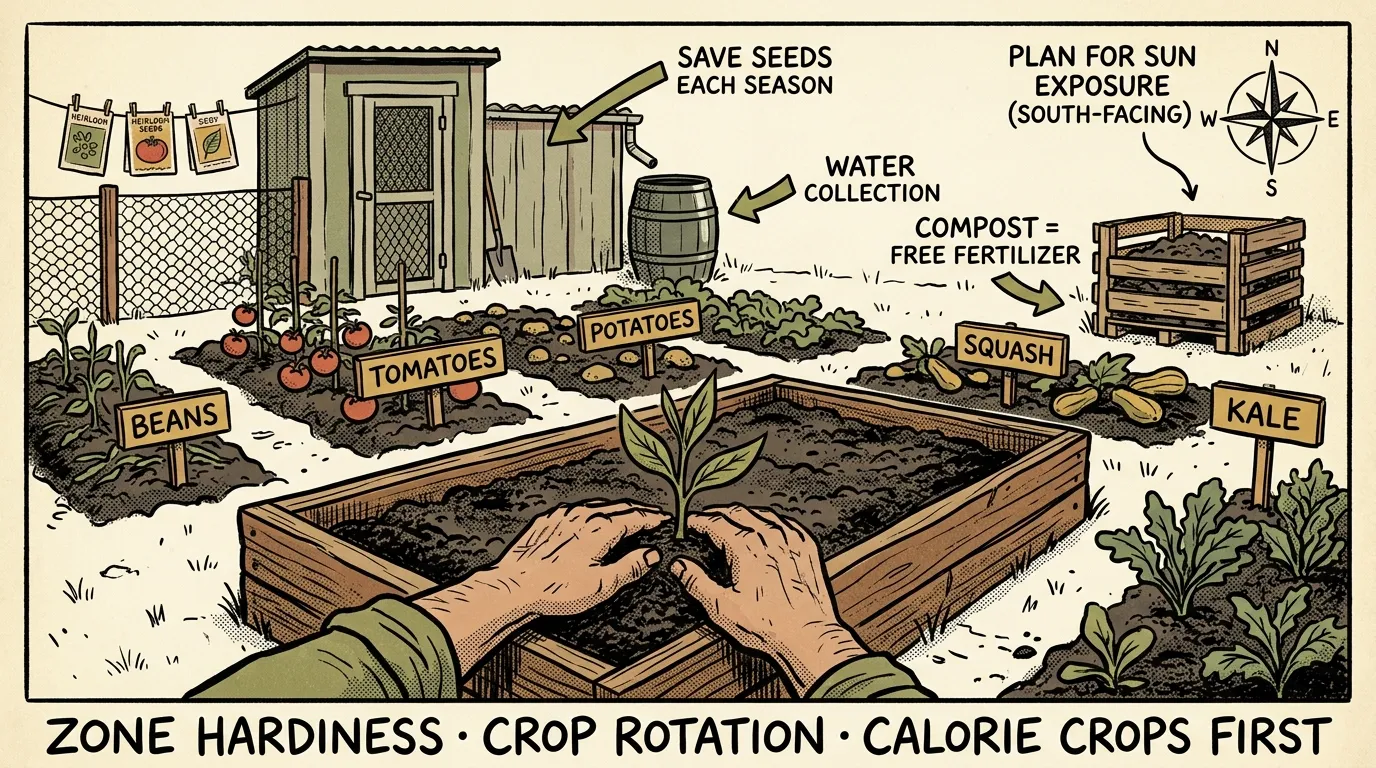
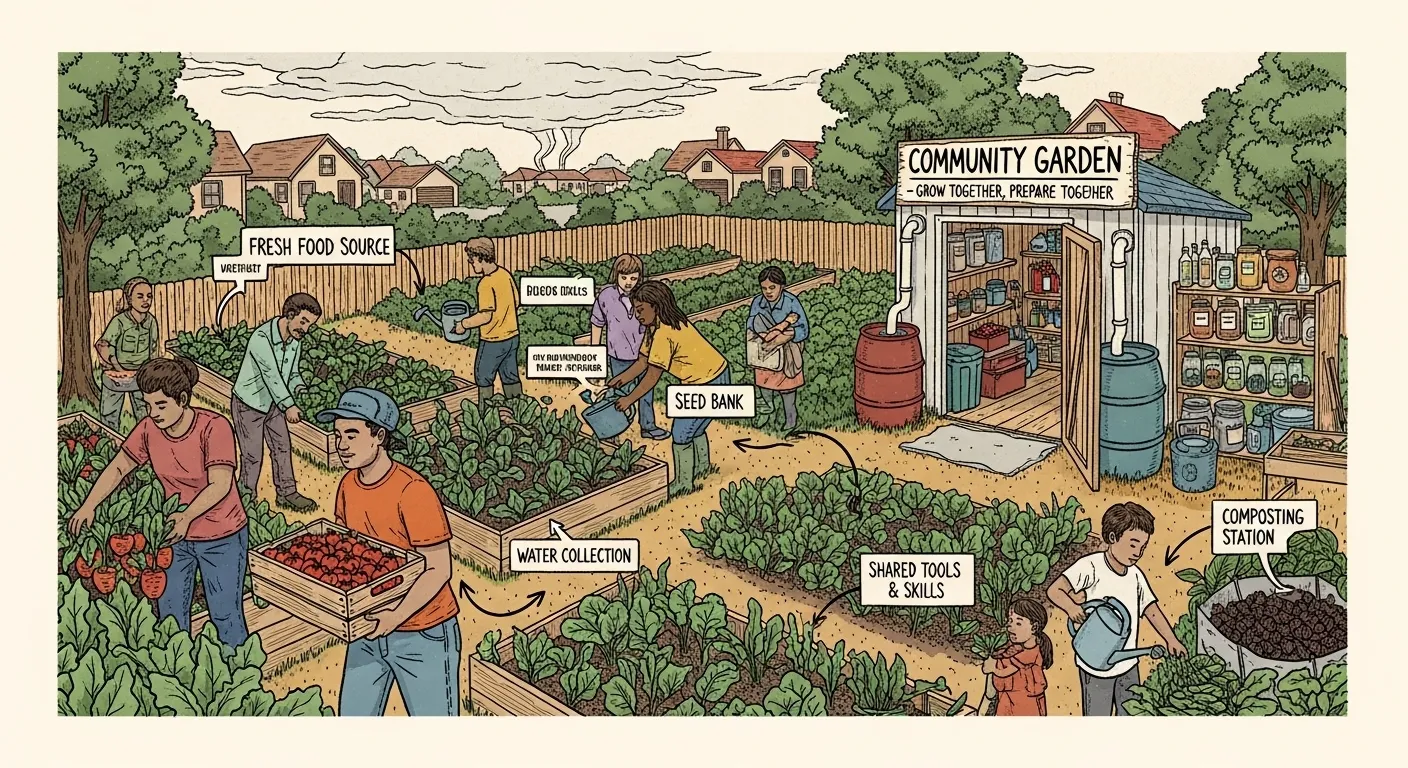
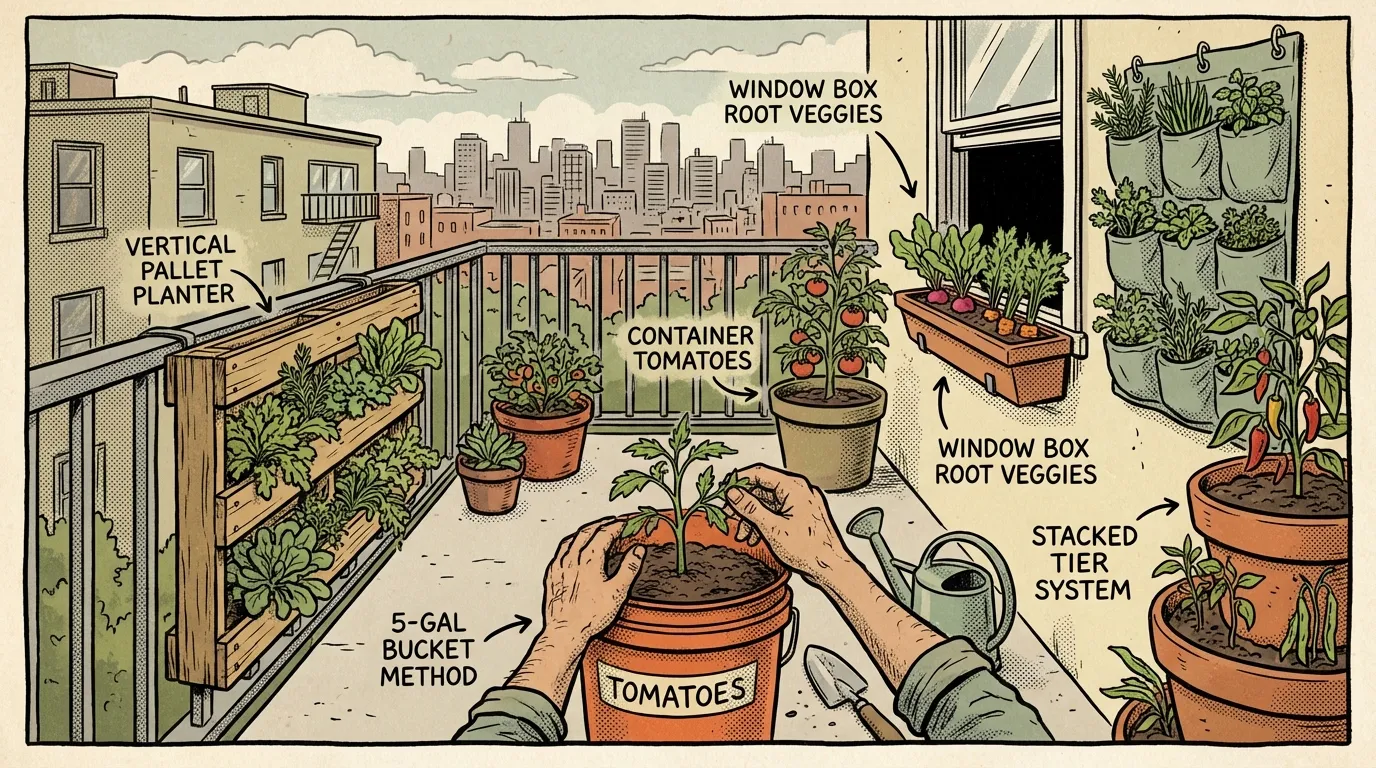
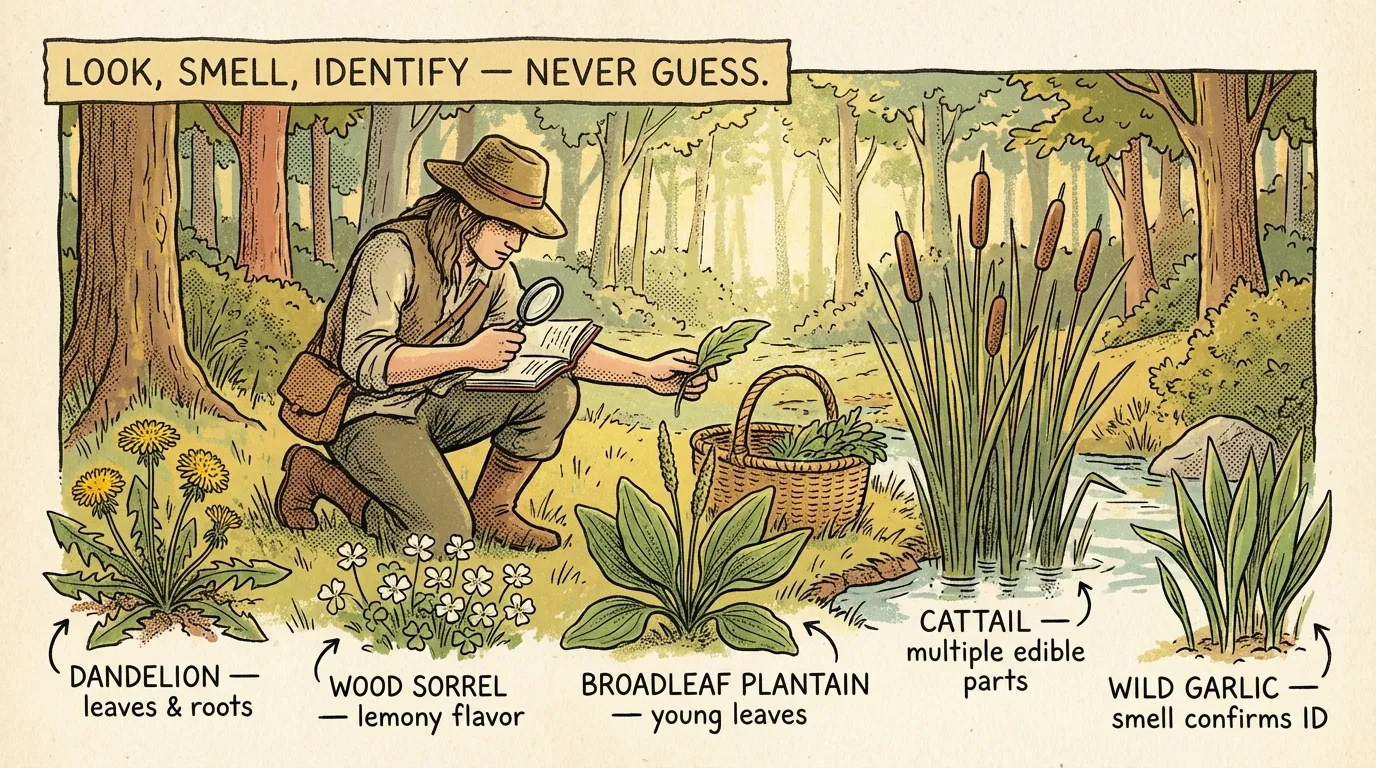
Stored food runs out. A garden doesn't — as long as you maintain it. Starting a prepper garden is one of the highest-return investments in long-term food security, even in small spaces. Focus on calorie-dense, easy-to-grow survival crops: potatoes, beans, squash, tomatoes, and leafy greens. Containers and vertical growing systems make this viable on balconies and patios. Build your soil, save seeds, and learn season extension techniques. Beyond your own plot, community gardens multiply your resilience — shared knowledge, diversified crops, and neighborhood-level food security that no individual pantry can match. Foraging wild edibles adds another layer, but demands careful plant identification skills.
- How to Start a Prepper Garden: A Complete Guide — survival crops, soil building, and step-by-step planning
- How to Start a Prepper Garden in Small Spaces — vertical growing, containers, and smart crop choices
- From Garden to Table: Starting a Prepper Garden — low-resource tips for a self-sufficient food supply
- The Role of Community Gardens in Emergency Preparedness — food security, shared skills, and neighborhood resilience
- Using Foraged Plants: A Beginner's Guide to Wild Edibles — safe identification, harvesting, and preparation
Cooking Without Power: Off-Grid Methods & DIY Stoves
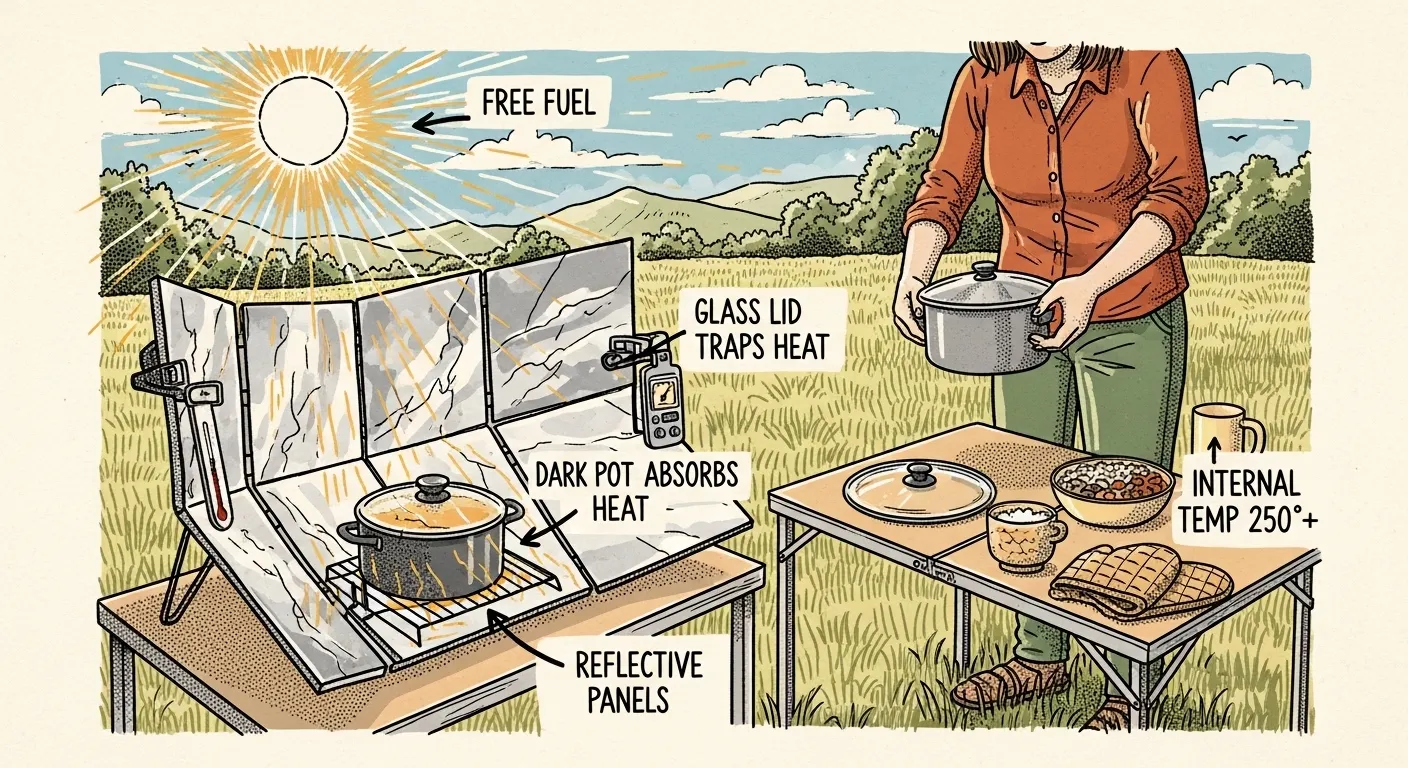
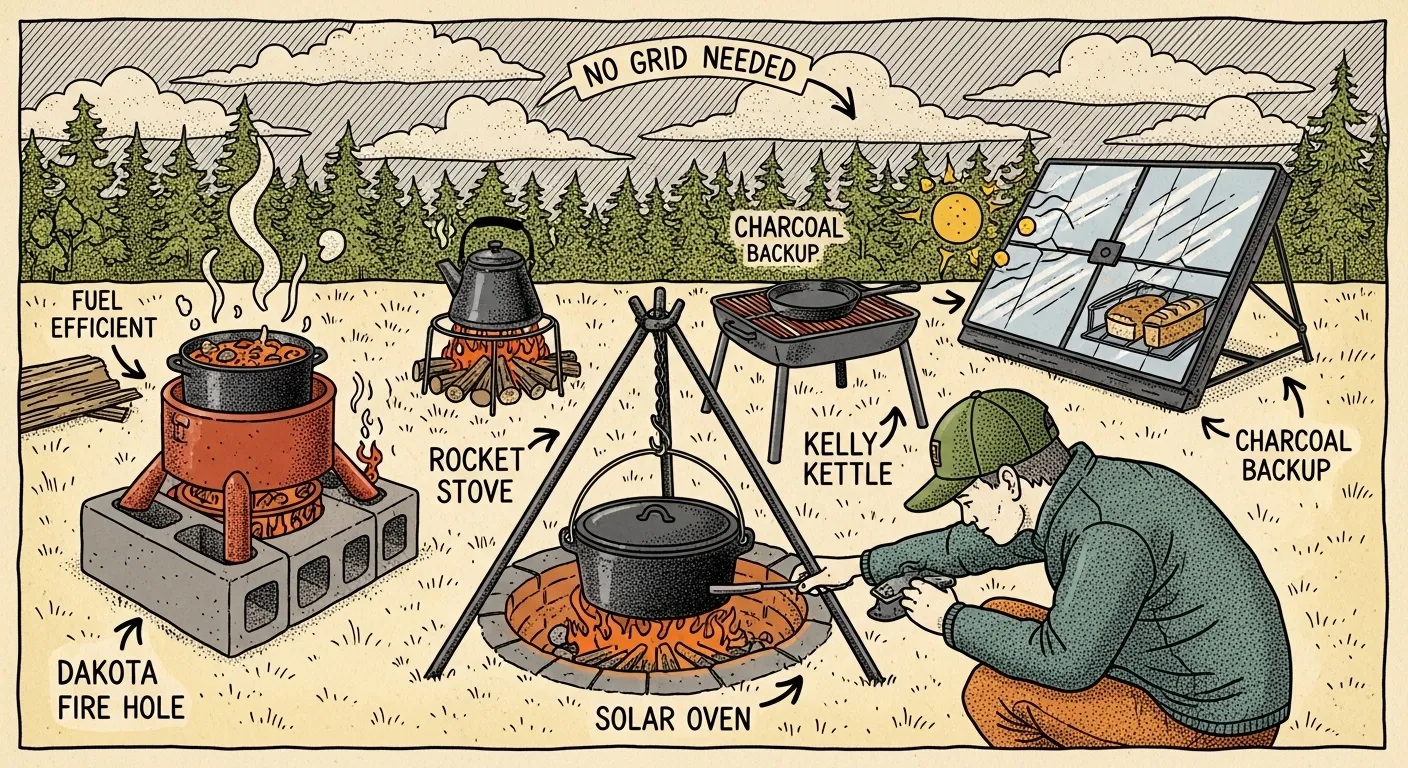
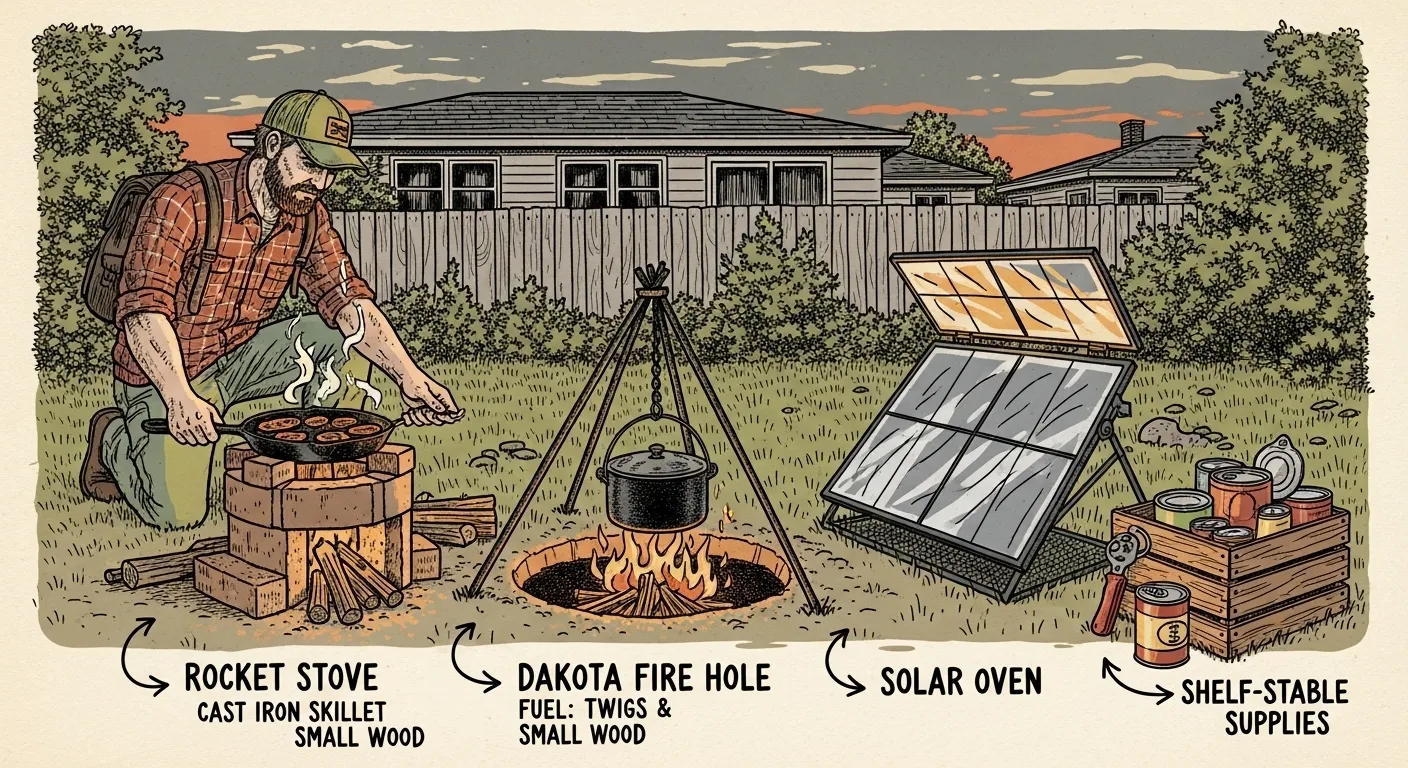
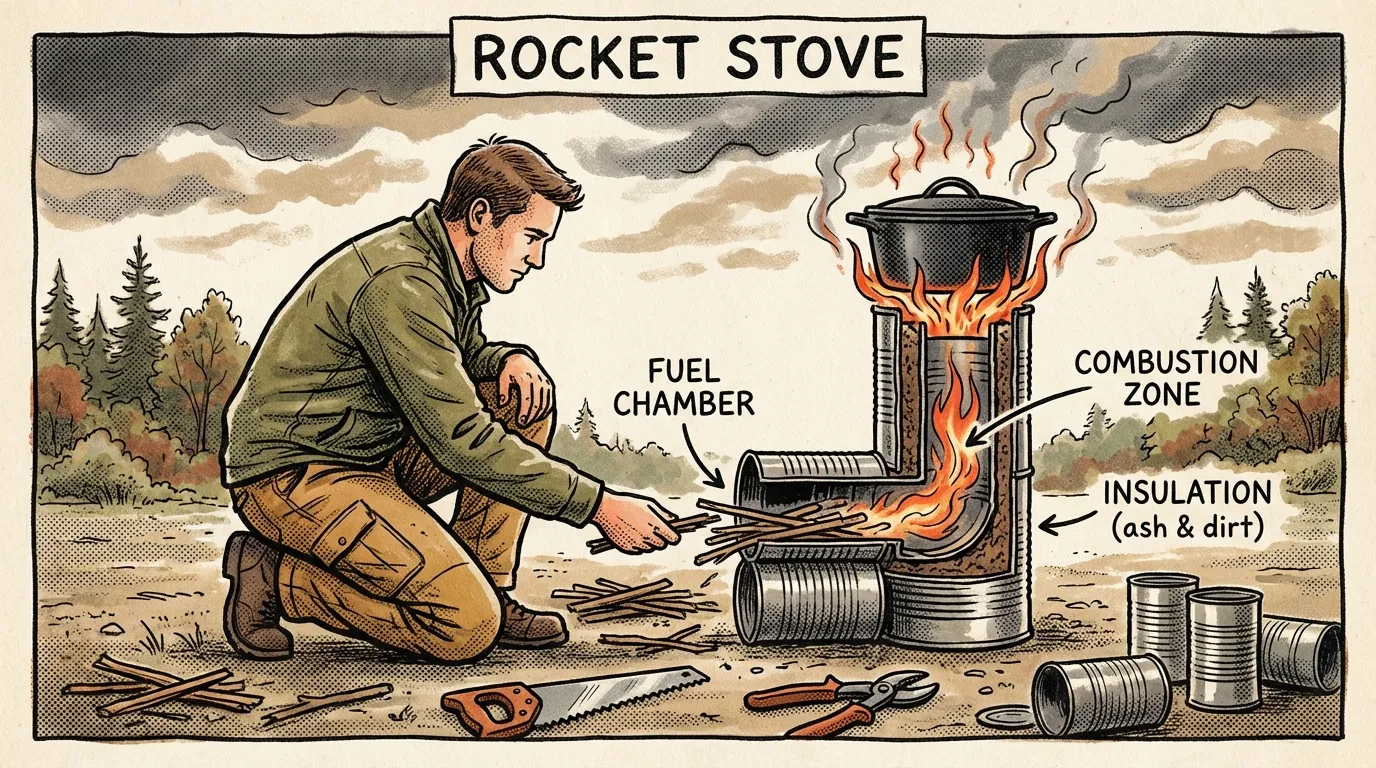
All the stored food in the world is useless if you can't cook it safely. When electricity and gas are gone, you need proven alternatives. Solar ovens cook fuel-free using nothing but sunlight — slow but effective for stews, rice, bread, and even pasteurization. Rocket stoves are among the most efficient options: a DIY version built from cinder blocks or tin cans boils water in minutes using small sticks and yard debris. Dutch ovens over campfire coals, alcohol stoves, and camp stoves round out a solid off-grid cooking kit. Every prepper should own at least two different cooking methods and practice with them before an emergency hits.
- Cooking Without Power: Creative Solutions for Preppers — solar ovens, rocket stoves, food safety, and must-have tools
- Cooking Without Power: Tips for Off-Grid Meal Preparation — practical methods, safety tips, and simple recipes
- Alternative Cooking Methods for Preppers — solar, rocket stove, Dutch oven, campfire, and alcohol stove breakdowns
- Cooking in a Crisis: How to Use a Solar Oven — beginner-friendly tips and emergency recipes
- How to Make a DIY Rocket Stove — step-by-step build, fuel-saving tips, and safety advice
Survival Fishing: Catching Protein When Supplies Run Low
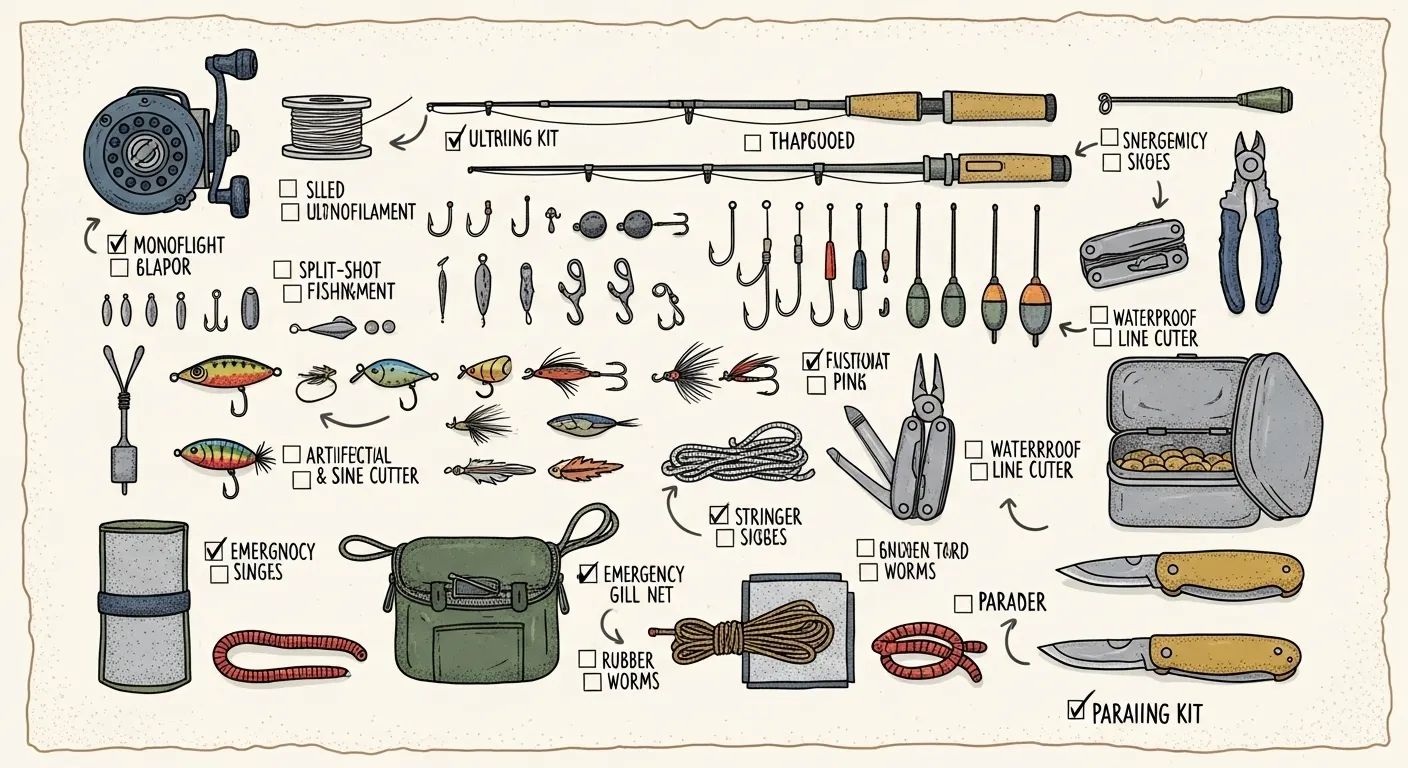
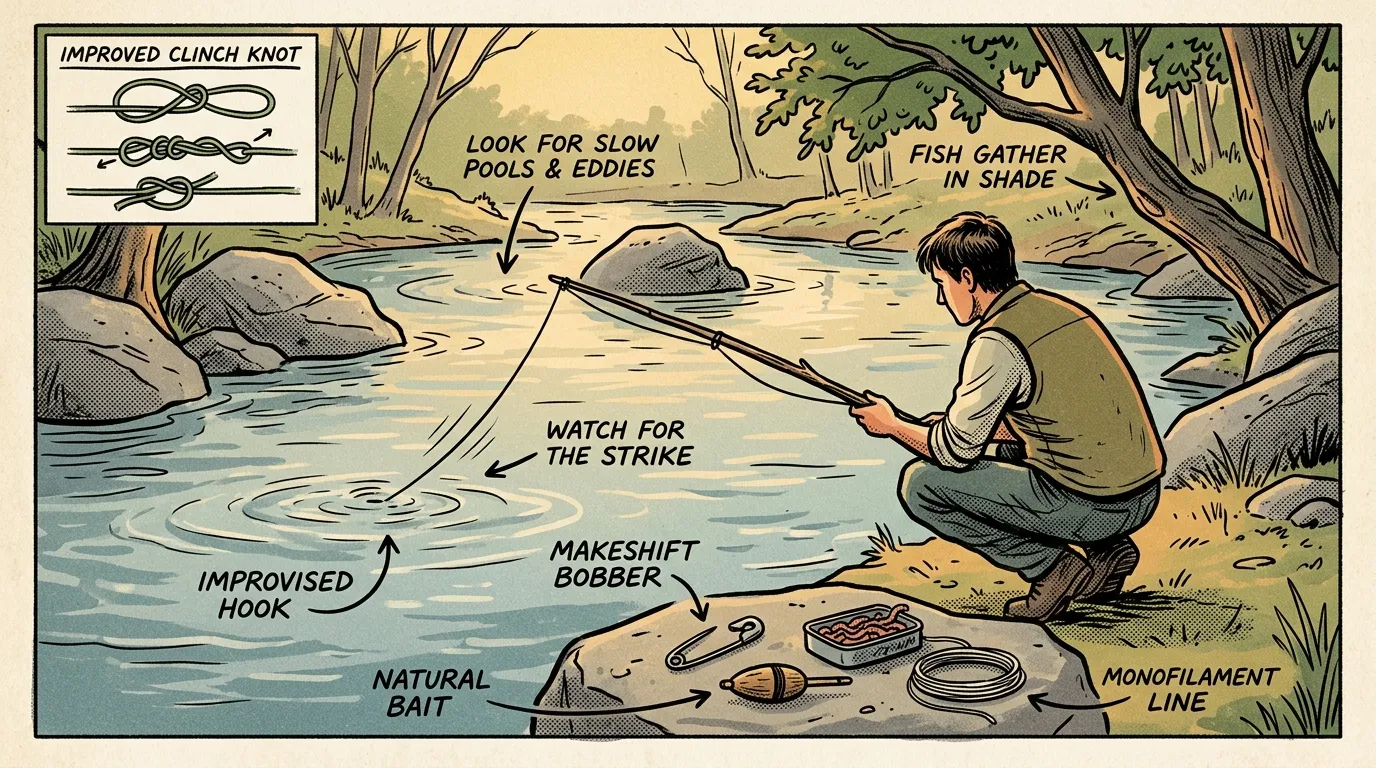
When stored food dwindles, knowing how to catch fresh protein becomes a genuine survival skill. Fishing is one of the most accessible and calorie-efficient methods — a basic survival fishing kit weighs ounces and fits in a pocket. You don't need expensive gear: compact kits with hooks, line, sinkers, and a few lures cover most freshwater situations. Learn where fish hold in rivers and lakes, how to improvise gear from natural materials, and how to clean and cook your catch safely over a campfire or rocket stove. This isn't a hobby in a crisis — it's a reliable food source that extends your supply indefinitely if you're near water.
- Survival Fishing: Beginner's Guide to Catching Fish — gear, improvised techniques, fish behavior, and field cooking
- The Best Survival Fishing Kits for Catching Dinner — what to look for, top picks, and how they fit your emergency food plan
The people who get through a crisis calmly are the ones who built their food storage before they needed it. Don't overthink it — start with two weeks of canned goods and water, learn one off-grid cooking method, and grow from there. A 3-month supply isn't built overnight, but every single can on that shelf is one meal you won't have to panic about.