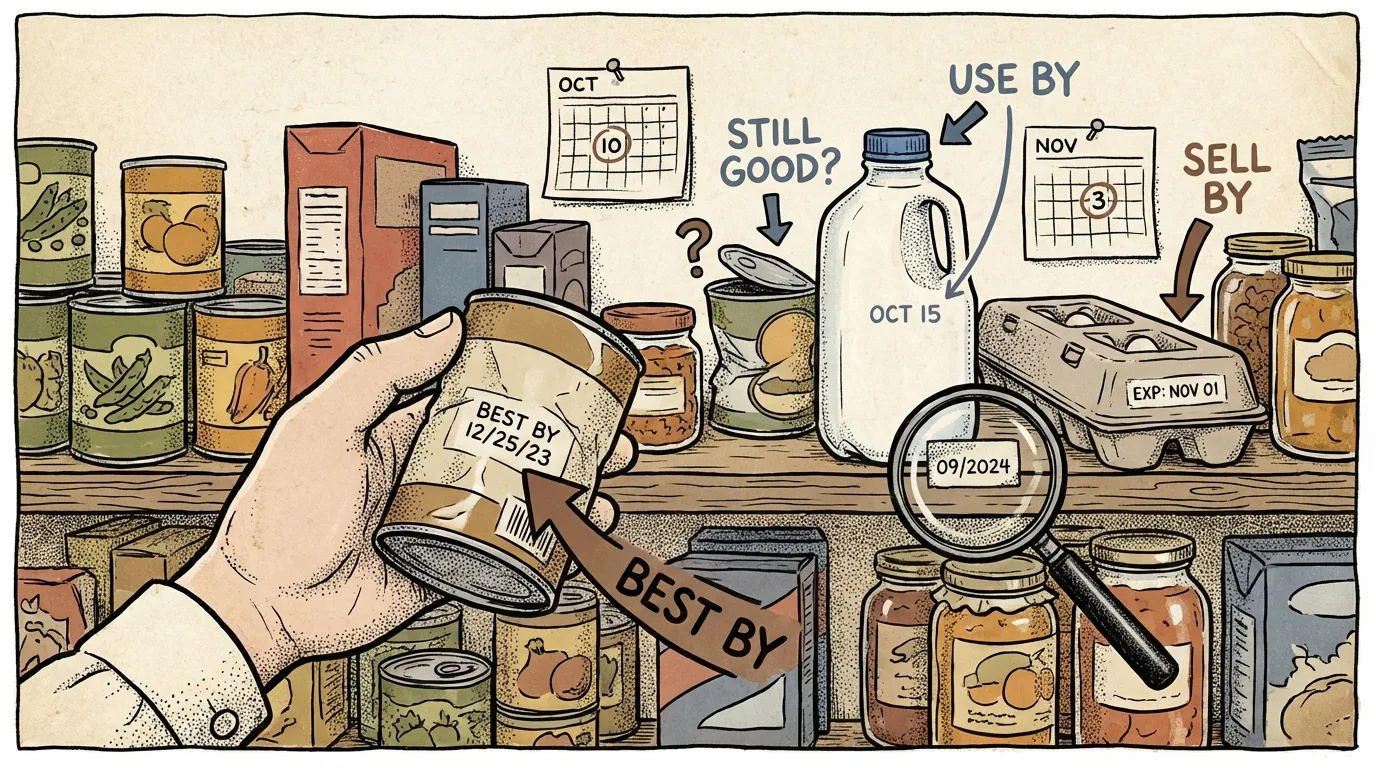
Food expiration dates usually indicate quality rather than a strict safety cutoff, especially for labels like “best by” and “sell by.” To make supplies last longer, store shelf-stable foods in cool, dry, dark conditions, rotate stock, and watch for spoilage signs like bulging cans, mold, leaks, or bad odors.
Key Takeaways
- Store bulk staples like white rice in Mylar bags with oxygen absorbers for decades-long shelf life.
- Keep food storage below 70°F (21°C) in cool, dry, dark conditions to maximize longevity.
- Discard canned goods showing bulging, leaking, spurting, or severe rust without exception.
- Label every container with purchase or pack dates and rotate stock using first in, first out.
- Treat 'use by' dates as safety-critical for perishables; treat 'best by' dates as quality guidance only.
Food Expiration Dates: What They Mean and How Long Your Supplies Really Last
Quick answer
- “Use by” = highest caution for perishables. Treat this date as a safety guide.
- “Best by” or “Best if used by” = quality guidance. Food can still be safe after this date if packaging and storage are intact.
- “Sell by” = retailer inventory guidance, not a consumer safety deadline.
- Many shelf-stable items such as canned goods, white rice, sugar, salt, and honey remain safe past the printed date when packaging is intact and storage is cool, dry, and dark. Inspect packaging and do sensory checks.
Summary
Food expiration dates are primarily manufacturer guidance about quality. Few products, infant formula for example, have safety-driven dates. For prepping, treat “use by” as the most safety-relevant label. Store food properly: cool, dry, dark, airtight. Rotate stock using first in, first out. Use packaging condition and sensory checks as the final safety test.
What common labels mean
- Use by: The date after which the manufacturer recommends not consuming the product. This matters most for perishables.
- Best by / Best if used by: Indicates peak flavor or texture. The product can be safe after this date when packaging and storage have been correct. Check texture, smell, and appearance.
- Sell by: For retailers’ inventory management. Use it as a freshness guide, not a safety cutoff.
- Freeze by: The date to freeze for best quality. Freeze before this date to preserve peak condition.
Labeling practices vary by country and manufacturer. In the U.S., most date labels are not federally standardized. Consult FDA or USDA guidance for specifics.
Why food expiration dates matter for preppers
- Save food and money by distinguishing quality-based dates from real safety risks.
- Keep a reliable emergency pantry by knowing what to rotate and what to inspect.
Most U.S. date labels indicate quality, not safety. Only a few products have federally regulated dates.
Shelf-life overview: common prepper staples and practical notes
Shelf life depends on packaging, temperature, humidity, oxygen exposure, and pests. The points below are general guidance. Check manufacturer recommendations for specifics.
-
Honey
- Storage: sealed container, cool, dark.
- Shelf life: effectively indefinite for safety when sealed. Crystallization is normal and reversible.
-
White rice (polished)
- Storage: airtight, dry, cool; store long-term using Mylar bags with oxygen absorbers or sealed buckets.
- Shelf life: years to decades when stored correctly. Brown rice has a much shorter shelf life because of the oils in the bran.
-
Dried beans and legumes
- Storage: airtight, dry, cool.
- Shelf life: very long for safety. Cooking time and texture worsen with age.
-
Canned goods (meats, vegetables, soups)
- Storage: cool, dry, dark.
- Shelf life: often safe well after the printed date if cans are intact. Discard bulging, leaking, spurting, or severely rusted cans.
-
Pasta, oats, sugar, salt
- Storage: airtight, dry, pest-proof.
- Shelf life: long for safety. Expect flavor and texture to decline over years.
-
Commercial freeze-dried and long-term emergency foods
- Storage: follow manufacturer instructions, usually cool, dry, sealed.
- Shelf life: manufacturer-specified. Rotate these items so you use older stock first.
Practical storage tips to extend shelf life
- Keep food cool, dry, and dark. Aim for below about 70°F (21°C). Colder improves longevity.
- Use airtight, food-grade containers: glass jars, Mylar bags with oxygen absorbers, or food-grade buckets with gamma lids.
- Vacuum-seal dehydrated items and portions for added protection. Do not rely on vacuum sealing alone if conditions are poor.
- Protect against pests: seal containers, inspect regularly, and use desiccants or diatomaceous earth when appropriate.
- Rotate stock with first in, first out and label containers with purchase or pack dates.
- Keep a simple inventory: item, quantity, location, and dates.
- Learn preservation methods such as dehydrating, water-bath canning, and pressure canning. Follow USDA and NCHFP guidance.
Safety checks: quick checklist for keep vs. toss decisions
Discard if you see any of these:
- Mold on non-fermented items
- Rancid or off odors
- Bulging, leaking, or severely damaged cans or jars
- Fizzing, spurting, or unusual gases on opening
- Evidence of insect or rodent contamination
Treat meat, poultry, seafood, dairy, cooked leftovers, and ready-to-eat refrigerated foods conservatively. Foods exposed to floodwater, pests, or extended power outages should usually be discarded. When in doubt, discard. The small cost is worth avoiding foodborne illness.
Quick FAQ
Q: Are expiration dates legally required on all foods? A: No. Aside from certain products such as infant formula, most date labels are not federally mandated and indicate quality rather than safety.
Q: Can canned food be safe after the printed date? A: Yes, if cans are undamaged and storage was good. Quality may decline, so inspect cans and contents before consuming.
Q: What factors shorten shelf life most quickly? A: Heat, moisture, oxygen, light, and pests.
Q: Is it safe to eat food after the “best by” date? A: For many shelf-stable items stored properly, yes. Use sensory checks and evaluate packaging condition.
Action list for preppers
- Build a core pantry: white rice, dried beans, canned goods, honey, sugar, salt, pasta, oats.
- Store bulk items in airtight, pest-proof containers. Consider Mylar plus oxygen absorbers or food-grade buckets.
- Implement FIFO rotation and keep a simple inventory in a spreadsheet or app.
- Label boxes and containers with purchase or pack dates for easy audits.
- Learn and practice preservation methods from reputable sources such as USDA and NCHFP.
Bottom line
Use food expiration dates as guidance, not absolute rules. Prioritize “use by” dates for perishables. Store food properly, rotate stock, and discard items that show spoilage. For unclear cases, consult manufacturer instructions or authoritative sources such as USDA and FDA.
[INTERNAL_LINK: Canned Goods and Other Edibles: Your First Steps to Stockpiling Food] [INTERNAL_LINK: Becoming a Prepper: The Beginner’s Guide to Survival Readiness] [INTERNAL_LINK: From Garden to Table: Starting a Prepper Garden] [INTERNAL_LINK: Water, Water Everywhere: How to Store H2O Without Losing Your Sanity]
The Complete
Prepper's Reference.
149 articles synthesized into one comprehensive PDF — twelve chapters covering water, food, shelter, first aid, comms, and scenario-specific preparedness. Free with your email.
Unsubscribe anytime · We never share your email
You're in. Check your inbox.
Keep Reading
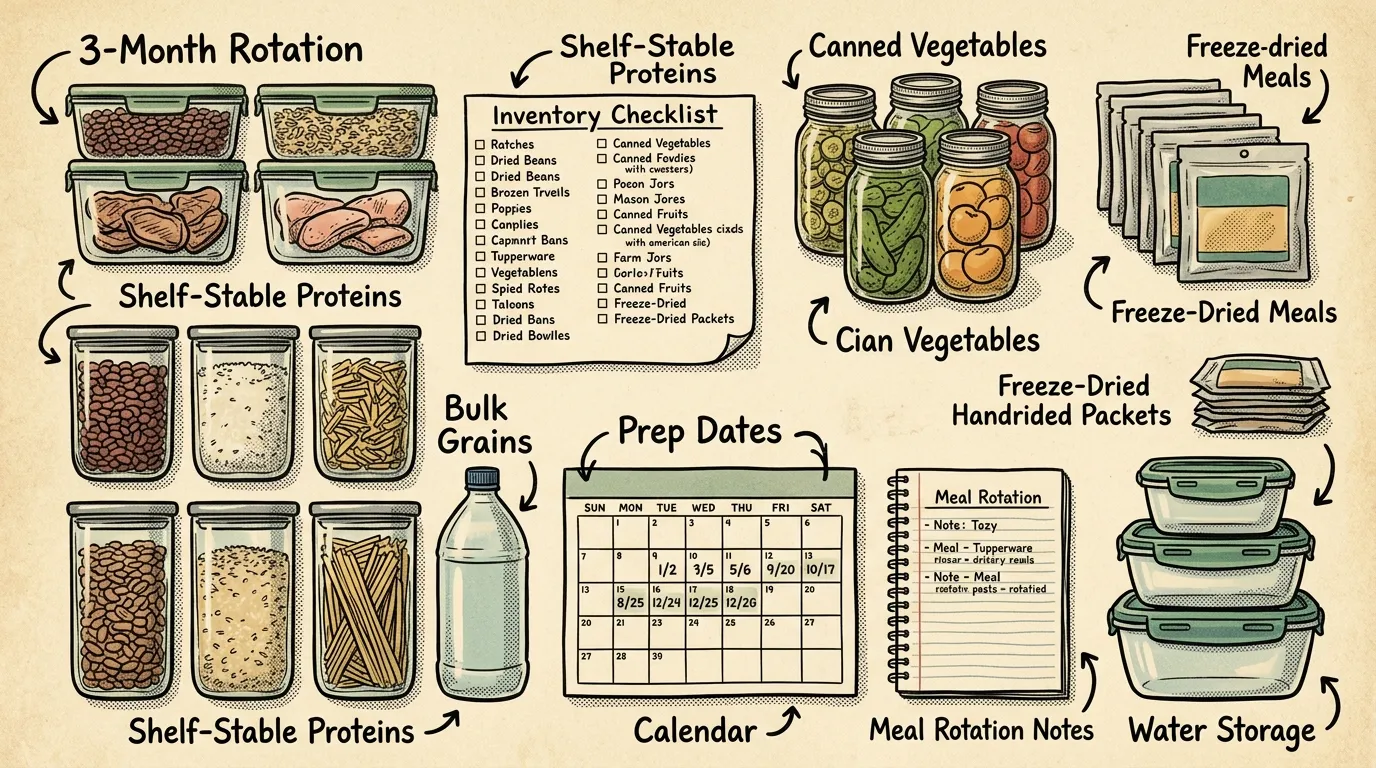
Meal Prepping Ideas That Build Long-Term Food Security
Meal prepping ideas that go past Sunday batch-cooking — build rotating stockpiles, cut costs, and prep for real emergencies. See how.
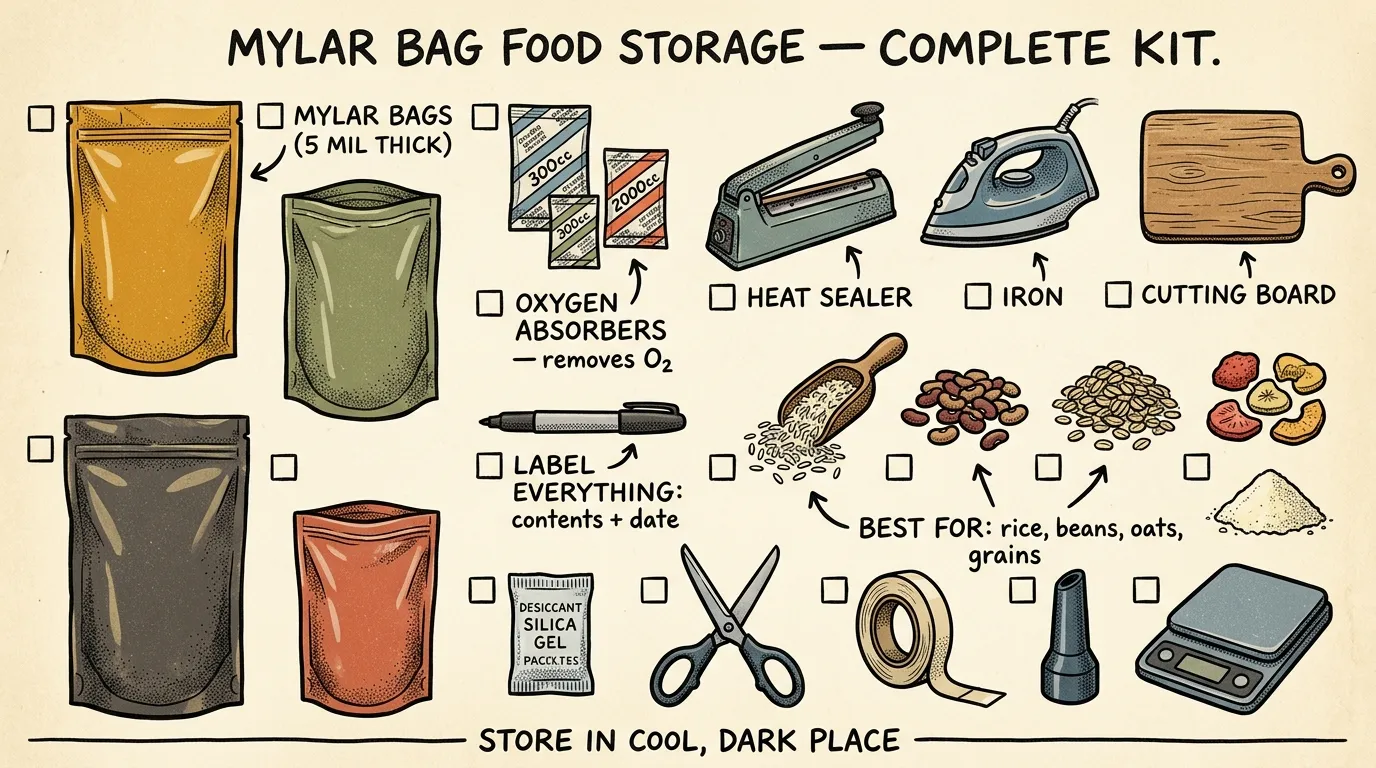
Mylar Bags for Food Storage: Complete Guide (2026)
Learn how to use mylar bags for food storage to preserve dry goods 25+ years. Expert guide covers thickness, sealing, oxygen absorbers & mistakes to avoid.
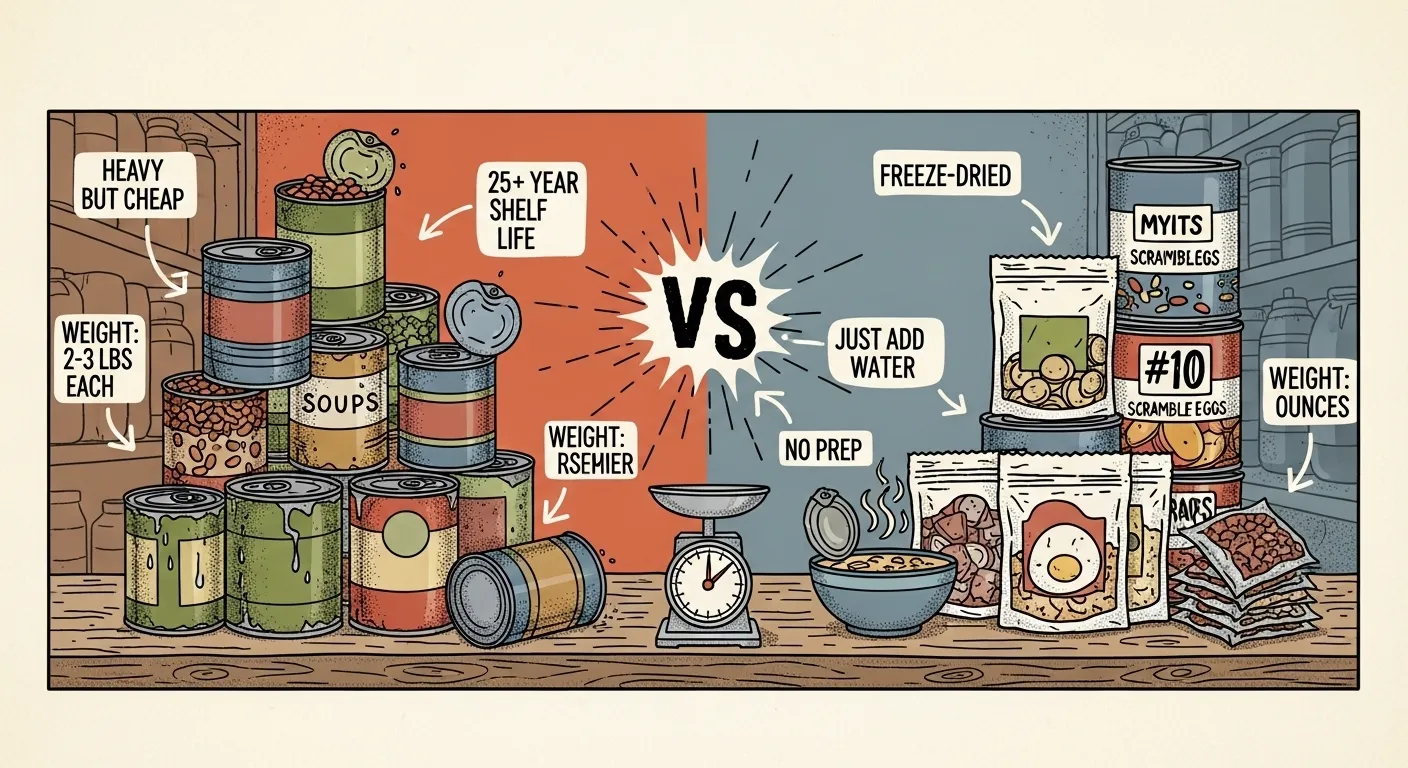
Canned vs. Freeze-Dried: The Ultimate Prepper Showdown
Canned vs. freeze-dried food: compare shelf life, cost, nutrition, storage, and convenience so beginner preppers can build smarter emergency supplies.