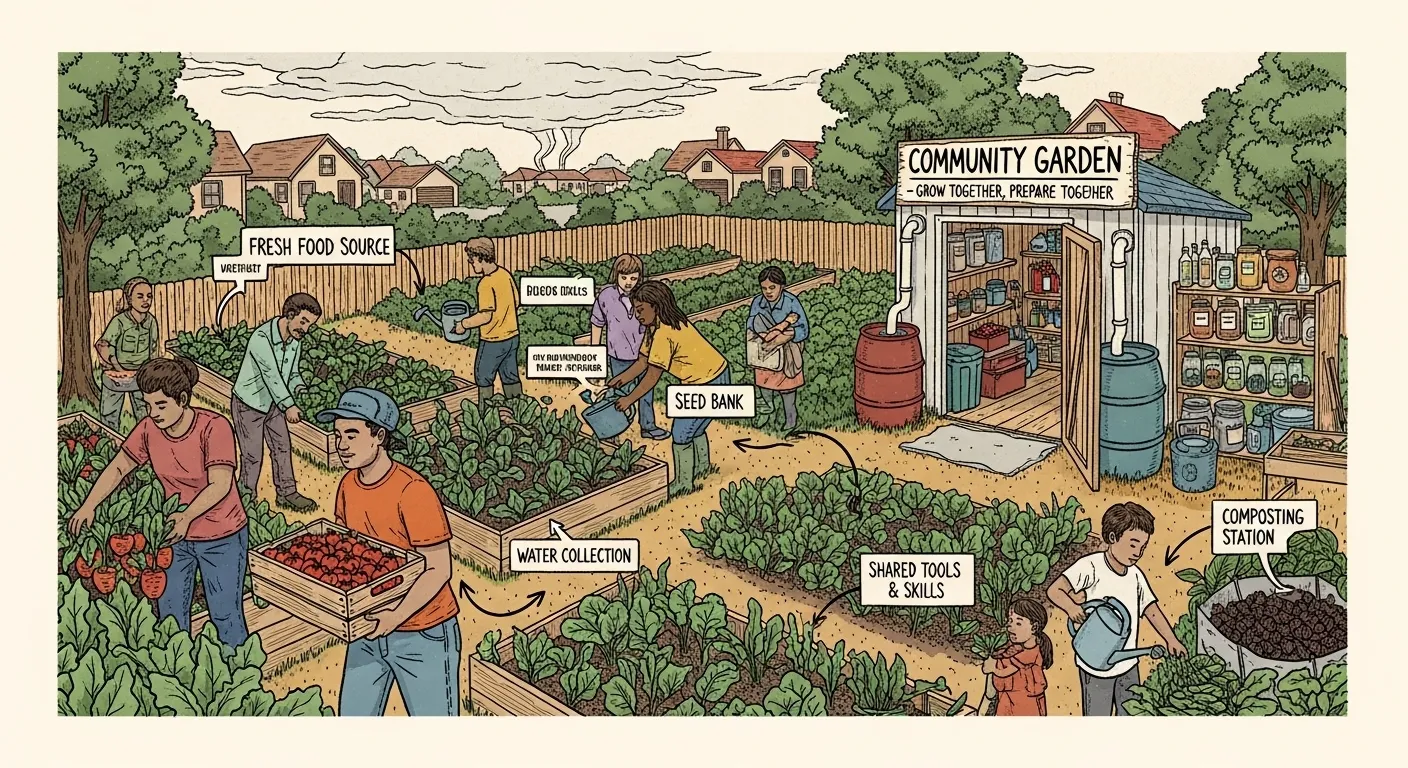
Community gardens can strengthen an emergency preparedness plan by improving local food access, teaching practical growing skills, and building community support networks. For new preppers, they are a low-cost, sustainable way to add resilience alongside food storage, water supplies, and other core preparedness steps.
Key Takeaways
- Test soil for heavy metals before planting on vacant lots using a certified lab.
- Start with 1-2 dependable crops like beans or potatoes and preserve every surplus.
- Volunteer on garden workdays to build relationships that become real emergency assets.
- Store baseline shelf-stable food, water, and medical supplies alongside any garden plot.
- Set written garden rules covering plot fees, volunteer hours, tool-sharing, and conflict resolution.
Community Gardens for Preppers: How Shared Plots Boost Food Security and Resilience
TL;DR
Community gardens for preppers expand local food production, teach practical skills like composting and seed saving, and create neighborhood networks that help when supply chains strain. Use a garden to add fresh food, practice preservation, and meet people you can count on. Keep stored food, water, and medical supplies as your baseline.
Quick answer
Community gardens for preppers are shared growing spaces where neighbors grow fruits, vegetables, and herbs with emergency readiness in mind. They produce fresh calories, provide chances to practice canning and drying, and create trusted local connections for help during disruptions.
Definitions
- Community garden: a shared space such as a park plot, vacant lot, schoolyard bed, or apartment commons with individual plots or cooperative beds.
- Prepper: someone who stores supplies and learns skills to maintain household resilience during emergencies.
- Community gardens for preppers: using shared gardens intentionally to strengthen household and neighborhood preparedness.
Why they matter
- Local food reduces short-term dependence on long supply lines.
- Gardens let you turn fresh harvests into lasting calories through canning, dehydration, and fermentation.
- Neighbors trade labor, share tools, watch each other’s plots, and pass on practical tips.
- Renters and apartment dwellers gain growing space and storage options they otherwise lack.
Key benefits (with examples)
- Fresh produce to add vitamins and variety to stored meals, such as tomatoes for sauce and beans for protein.
- Skill-building: learn to make pickles, dry herbs, and save seeds for next year.
- Practical cooperation: shared tool sheds, crop swaps, and coordinated planting schedules.
- Affordable access: small membership fees or volunteer hours cover water and basic infrastructure.
How gardens help preparedness
Gardens are seasonal and weather-dependent. Use them alongside a pantry and water reserves. Practical ways to combine gardens with storage:
- Grow foods you can preserve, like tomatoes, beans, and squash.
- Test crops on a small scale before expanding to home beds or containers.
- Preserve small surpluses with jars, a basic dehydrator, salt, and fermentation crocks.
- Keep backup seeds and a portable toolkit for container growing if land access changes.
Common challenges and solutions
You do not control public or leased land. Secure seeds and practice container gardening so you can move plants if needed.
Shared gardens can suffer from uneven participation. Choose a garden with clear rules or help set regular workdays, leadership roles, and task lists.
Weather and pests can wipe out a season. Plant a mix of early- and late-maturing crops, use mulch to retain soil moisture, and adopt drip irrigation or rain barrels.
Access may be restricted during major events. Keep critical seeds and a small kit at home and build relationships so neighbors know who should tend which plots.
Different gardeners have different goals. Run neutral, hands-on workshops like composting or seed saving to create common ground.
Finding, joining, or starting a garden
Finding a garden
- Check city and county parks pages.
- Contact Cooperative Extension or Master Gardener programs.
- Look at local nonprofits, churches, schools, and neighborhood social media groups.
Evaluating a garden
Consider distance, plot availability and cost, water access, sun exposure, tool storage, and how decisions get made. Ask whether plots are individual or communal.
Joining as a beginner
Volunteer on workdays. Start with a small plot. Ask experienced gardeners what thrives locally. Focus on one or two reliable crops and preserve small harvests to build confidence.
Starting a garden
- Gather neighbors, students, or a civic group who want to grow.
- Get written permission for the site and arrange soil testing for contaminants.
- Confirm water access and sunlight.
- Set simple rules: plot assignments, fees or volunteer expectations, water use, tool-sharing, and conflict resolution.
- Begin with raised beds, a compost area, basic tool storage, and a communication channel like a group chat or bulletin board.
Invite local extension agents, seed libraries, and urban-ag organizations to help.
What to plant first
Choose crops that produce well, preserve easily, and match your climate. Prioritize foods your household already eats.
Good starter crops:
- Beans, for fresh eating and drying
- Potatoes, for calories and storage
- Onions and garlic, for long-term storage
- Leafy greens like lettuce and kale, for quick harvests
- Radishes, for fast turnover
- Zucchini and summer squash, for high yields
- Herbs such as basil, parsley, and oregano
Adjust timing and varieties to your hardiness zone.
Practical resources
- Local Cooperative Extension and Master Gardener programs
- USDA community garden resources
- Seed libraries and regional seed banks
- Food preservation guides for canning, dehydration, and fermentation
- Permaculture and water-wise gardening groups
- Local food policy councils and community development nonprofits
Verify which of these are active in your area.
FAQ
Q: Can a community garden feed you during an emergency? A: No. Gardens supplement stored food and add nutrition. Keep a baseline of shelf-stable food, water, and medical supplies.
Q: Are community gardens only for cities? A: No. They work in suburban and rural settings too, though scale and organization differ.
Q: I rent. Can I still participate? A: Yes. Gardens provide space, tools, and mentors without needing private land.
Q: What should I bring when I join? A: Gloves, a small hand-tool set if allowed, water, a notebook, and a readiness to learn.
Q: Is a community garden good for prepping beginners? A: Yes. It builds skills, produces food, and creates local allies.
Verification and safety
Check with Cooperative Extension or a certified lab before planting on vacant lots, to test for heavy metals or other contaminants. Local support and outcomes vary by neighborhood. Build relationships and plans in advance.
Action steps
- Treat a community garden as one layer of preparedness, not your only source of food.
- Find a local garden or gather neighbors to start one. Volunteer for a workday.
- Grow one or two dependable crops, preserve the surplus, and record what works.
- Build relationships in the garden. Shared effort becomes a real preparedness asset.
Start small. Verify local resources. Use community gardens for preppers as a practical, community-centered part of your overall readiness plan.
The Complete
Prepper's Reference.
149 articles synthesized into one comprehensive PDF — twelve chapters covering water, food, shelter, first aid, comms, and scenario-specific preparedness. Free with your email.
Unsubscribe anytime · We never share your email
You're in. Check your inbox.
Keep Reading
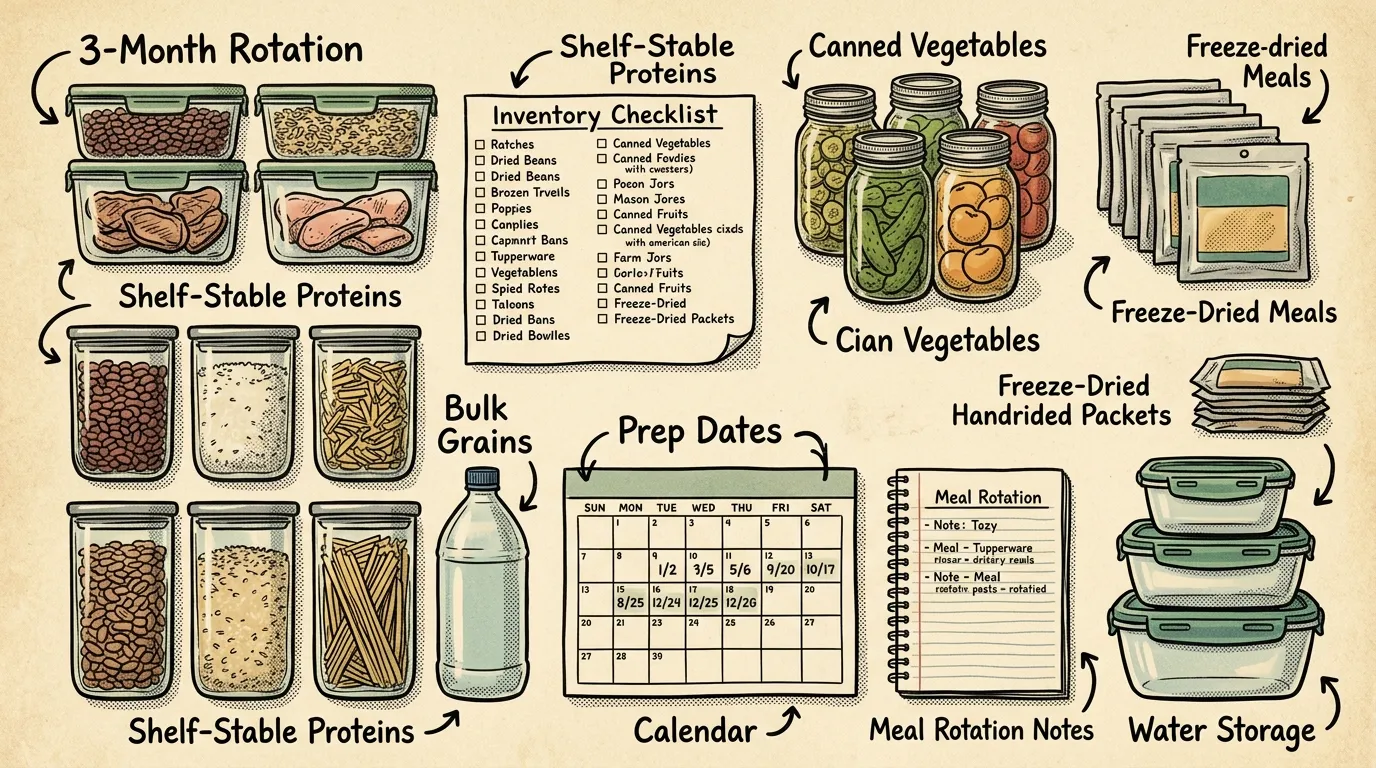
Meal Prepping Ideas That Build Long-Term Food Security
Meal prepping ideas that go past Sunday batch-cooking — build rotating stockpiles, cut costs, and prep for real emergencies. See how.
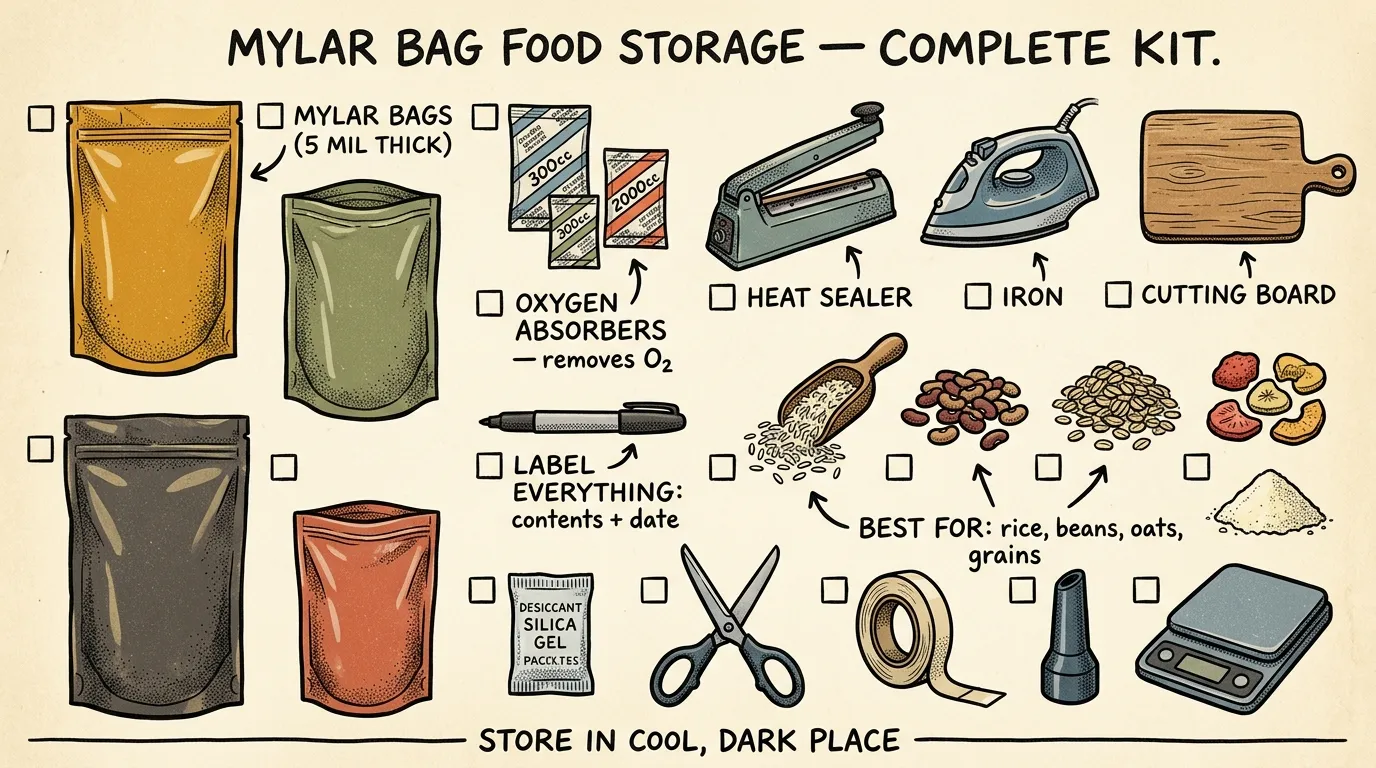
Mylar Bags for Food Storage: Complete Guide (2026)
Learn how to use mylar bags for food storage to preserve dry goods 25+ years. Expert guide covers thickness, sealing, oxygen absorbers & mistakes to avoid.
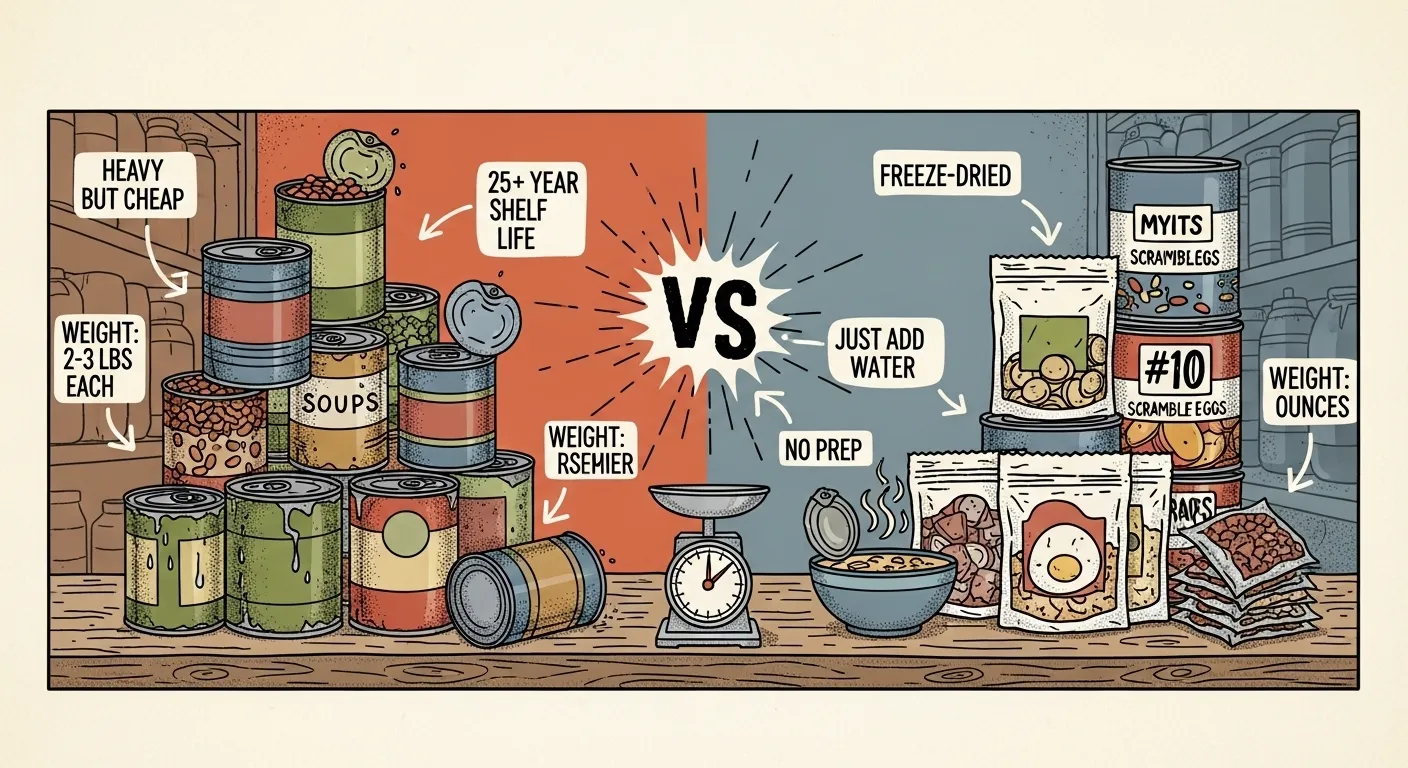
Canned vs. Freeze-Dried: The Ultimate Prepper Showdown
Canned vs. freeze-dried food: compare shelf life, cost, nutrition, storage, and convenience so beginner preppers can build smarter emergency supplies.