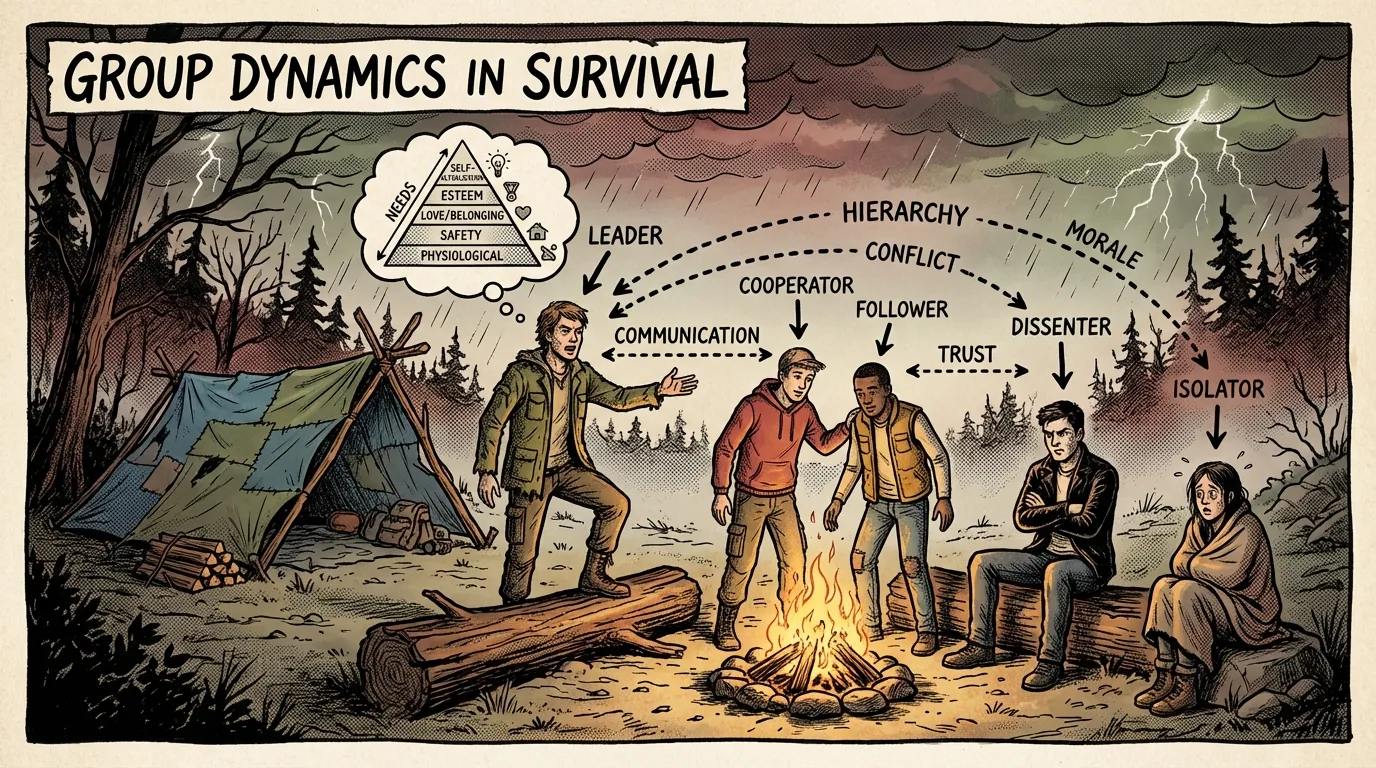
The psychology of survival is how people think, react, and make decisions under extreme stress, and it plays a major role in emergency outcomes. In group crises, communication, trust, leadership, and emotional control are essential because strong group dynamics improve coordination, morale, and survival chances.
Key Takeaways
- Hold a 30-minute household meeting this week to assign specific emergency roles.
- Run a evacuation or communications drill every three months with your group.
- Use read-back confirmation for every critical directive: say it, hear it repeated back.
- Label uncertain information with source and verification status before sharing it.
- Practice a two-minute controlled-breathing calming routine until it becomes automatic.
Psychology of Survival: Mastering Group Dynamics and Mental Resilience
Psychology of survival examines how cognition, emotion, and social dynamics shape performance in emergencies. Clear communication, practiced roles, stress-management skills, and trust improve outcomes more than any single piece of gear.
Key actions:
- Practice simple roles and routines with the people you rely on.
- Train stress-regulation and read-back communication.
- Build trust through honest, repeatable behavior.
What the psychology of survival means
Definition: the study of how individual mental processes, such as perception, attention, memory, decision-making, and stress physiology, and group processes, such as communication, leadership, norms, and identity, affect behavior in emergencies.
Core elements with examples:
- Stress physiology: elevated heart rate, faster breathing, tremor and tunnel vision that change how people gather information.
- Cognitive effects: people miss signs, forget multi-step procedures, and rely on quick shortcuts like following the most obvious lead.
- Social dynamics: someone stepping forward to give orders, others copying that person without checking facts, or tight cliques blocking outside help.
- Training: evacuation rehearsals, radio checks, and scripted roles that preserve judgment under pressure.
Summary
- Two teams with identical gear can perform very differently under stress because of the psychology of survival.
- In groups, trust, clear communication, defined roles, and practiced routines matter more than a single piece of equipment.
- Training that reduces cognitive load keeps decisions sharper.
For operational use, consult FEMA, CDC, or peer-reviewed disaster-response literature.
How stress affects decisions
High arousal narrows attention. People miss obvious cues. Working memory shrinks, so they drop steps they would not forget in calm conditions. Heuristics dominate. Availability and anchoring biases steer choices.
Practice and simple procedures shift action from slow deliberation to automatic responses. Make decisions simple. Rehearse them until they become second nature.
Group dynamics in survival situations
Group dynamics can turn a small team into a powerful responder, or into an obstacle. Watch for clear signs and act early.
Why group dynamics matter
- Decision speed: when roles are clear, one person gathers data while another carries out the task. Decisions happen faster.
- Resource allocation: agreed rules prevent duplicate trips and wasted supplies.
- Morale: a shared purpose keeps people moving through long shifts.
- Safety: coordinated actions reduce accidental injuries.
Common behaviors to watch for
- Dependency on one leader, risky if that person becomes unavailable.
- Herd behavior, where copying amplifies mistakes.
- In-group thinking, which blocks outside cooperation.
- Emotional contagion, where panic or anger spreads quickly.
- Role emergence, where people default to leader, caregiver, organizer, skeptic, or morale-booster roles; assign tasks early.
Leadership and followership
Leadership traits that help: calm, pragmatic, decisive, and transparent. Use short directives and confirm understanding with read-back. Example: say “Evacuate to north gate now.” Expect the reply “Copy, evacuate to north gate.” Keep followership active. Support execution, ask clarifying questions, report problems early, and step in when a role is empty.
Apply Incident Command System principles for clarity: who makes which decisions, who reports to whom, and how information flows.
Communication: the glue of cohesion
Keep messages short and specific. Confirm receipt. Label uncertainty instead of letting rumors spread. For example, say “Road blocked at Elm Street, source: neighbor report, unverified.” Use routines: scheduled check-ins, status boards, and fixed meeting points. Use simple signals or SOPs for priority actions.
Practical tools: printed contact lists, checklists, two-way radios where trained and legal, whiteboards, and written meeting points.
Managing conflict and stress within groups
Address tensions early. Focus on observable behavior and consequences rather than character. Use quick stress-mitigation techniques: controlled breathing, short grounding exercises, hydration, and brief rest cycles. Rotate tasks to reduce fatigue. Apply simple triage to prioritize work.
Structured problem-solving works in the field: define the problem, gather facts, propose a solution, test it, and review results.
Building and maintaining trust
- Be honest about skills and limits.
- Follow through on commitments consistently.
- Admit and correct mistakes quickly and openly.
- Train and drill together to surface assumptions and clarify roles.
Trust enables delegation, honest reporting, and fair sharing of resources under stress.
Practical checklist for households and small teams
- Include family, neighbors, and a preparedness circle in planning.
- Define who handles first aid, supplies tracking, communications, and care for vulnerable people.
- Practice scenarios: power outage, shelter-in-place, evacuation, and communications checks.
- Train stress-regulation: breathing drills, short routines, and stress inoculation exercises.
- Improve communication: concise language, read-back, active listening.
- Study basic leadership and teamwork; adapt ICS ideas to a household scale.
- Build cohesion with shared, low-stakes training experiences.
- Plan for sleep loss and interpersonal tension.
Red flags and failure modes
- Single point of failure: only one person knows the plan.
- No practiced routines: everyone improvises under pressure.
- Unclear roles: wasted time and duplicated effort.
- Information chaos: rumors, missing facts, and no central status board.
- Burnout: no rest or rotation increases mistakes.
Quick action checklist
- Hold a 30-minute household meeting to assign roles.
- Run a simple drill, such as an evacuation or communications check, every three months.
- Practice a two-minute calming routine and a read-back communication method.
- Create a printed, one-page emergency plan with contact points and meeting places.
FAQ
Q: What is the psychology of survival? A: It is the study of how mental processes and group behaviors affect performance in danger or high stress.
Q: How do group dynamics influence survival? A: They shape communication, role allocation, conflict, morale, and coordination, which directly affect safety and efficiency.
Q: What role does mental preparedness play? A: It preserves decision-making, reduces panic, improves cooperation, and increases adaptability.
Q: How can new preppers learn group dynamics? A: Run drills, define roles, study leadership and communication, train together, and reflect on what worked and what failed.
Evidence and further reading
Consult FEMA, CDC, and peer-reviewed disaster-response literature for operational guidance and academic references.
The psychological edge
Gear matters. How teams decide, manage stress, and use that gear determines outcomes. Build that edge with simple, repeatable practices: clear roles, trustworthy behavior, short communication protocols, and stress-management routines.
Next practical step
Run a single 30-minute practice session this week: assign roles, agree on one meeting point, and run a short communications drill.
Further resources:
- Becoming a Prepper: The Beginner’s Guide to Survival Readiness
- Introductory books on stress, decision-making, and group behavior
- Local emergency preparedness courses
The Complete
Prepper's Reference.
149 articles synthesized into one comprehensive PDF — twelve chapters covering water, food, shelter, first aid, comms, and scenario-specific preparedness. Free with your email.
Unsubscribe anytime · We never share your email
You're in. Check your inbox.
Keep Reading
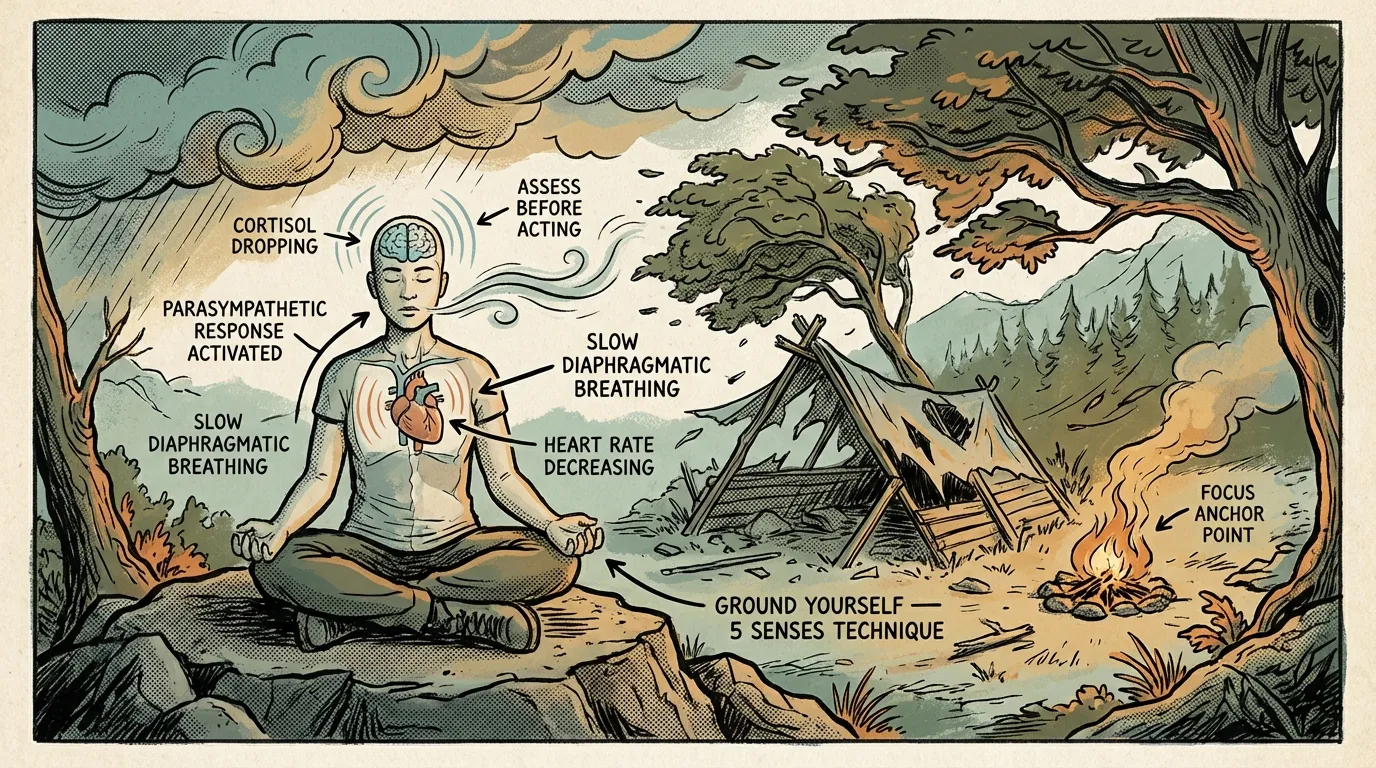
The Science of Staying Calm: Stress Management in Survival Situations
Learn practical stress management techniques for survival situations so you can stay calm, think clearly, and make smarter decisions in an emergency.
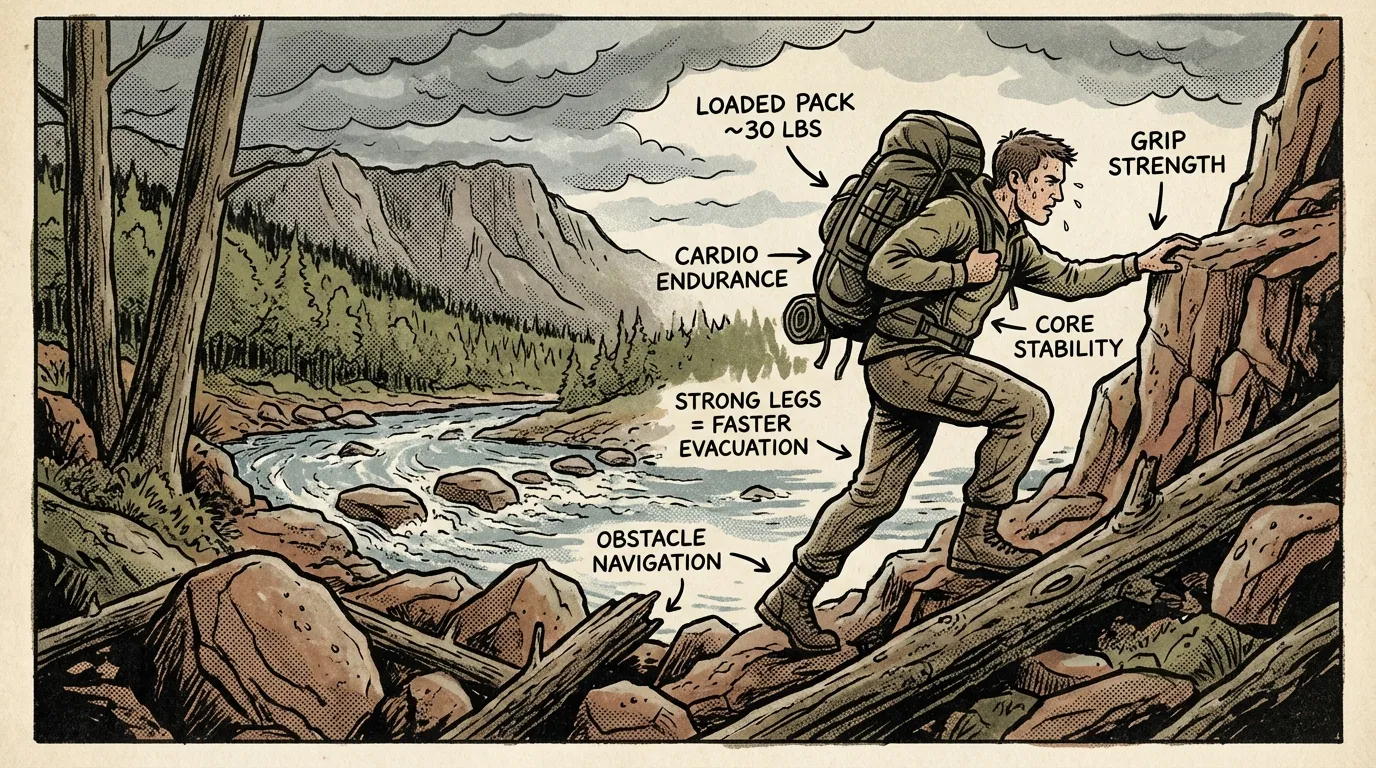
The Importance of Fitness in Survival Situations
Physical fitness boosts strength, endurance, and mobility—giving new preppers a better shot at handling emergencies with confidence.
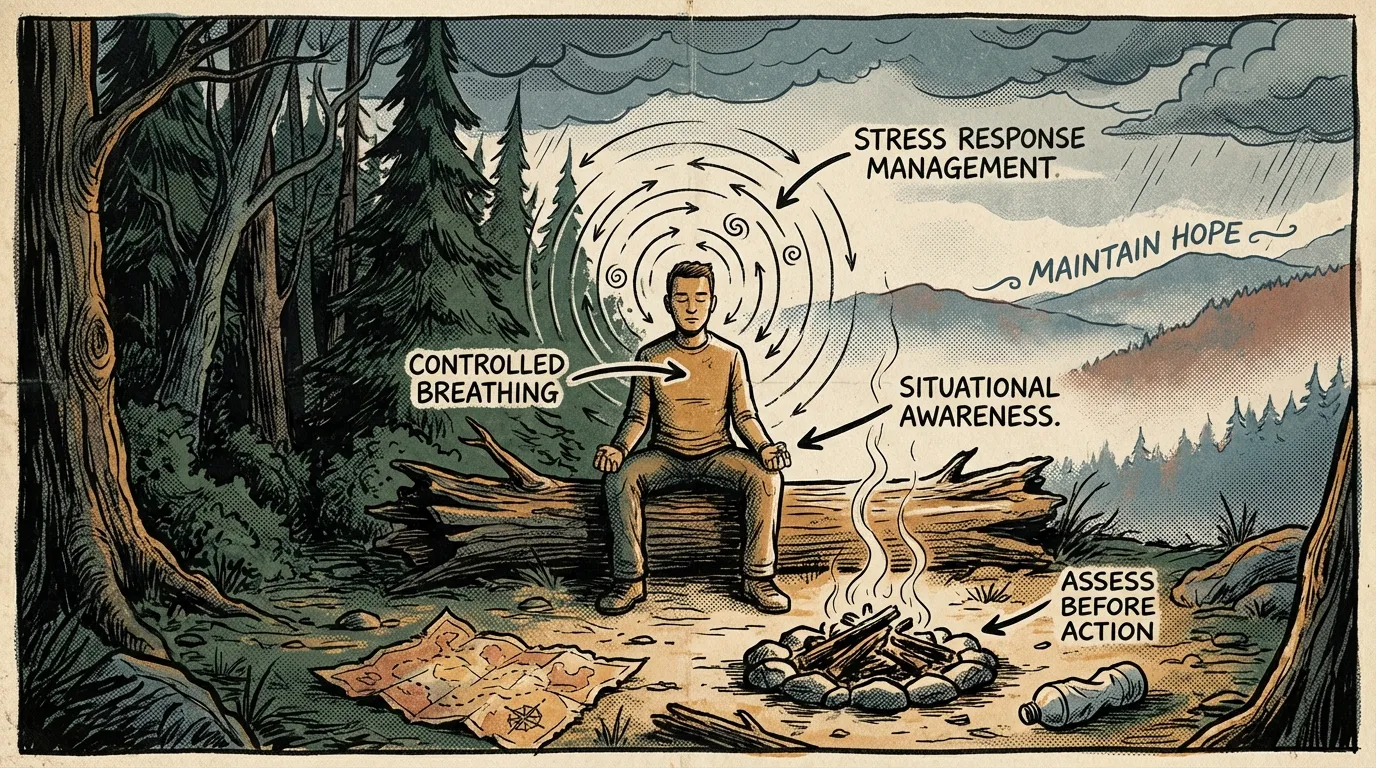
The Importance of Mental Resilience in Survival Situations
Learn why mental resilience is essential in emergencies and how beginner preppers can build calm, focus, and adaptability before disaster strikes.