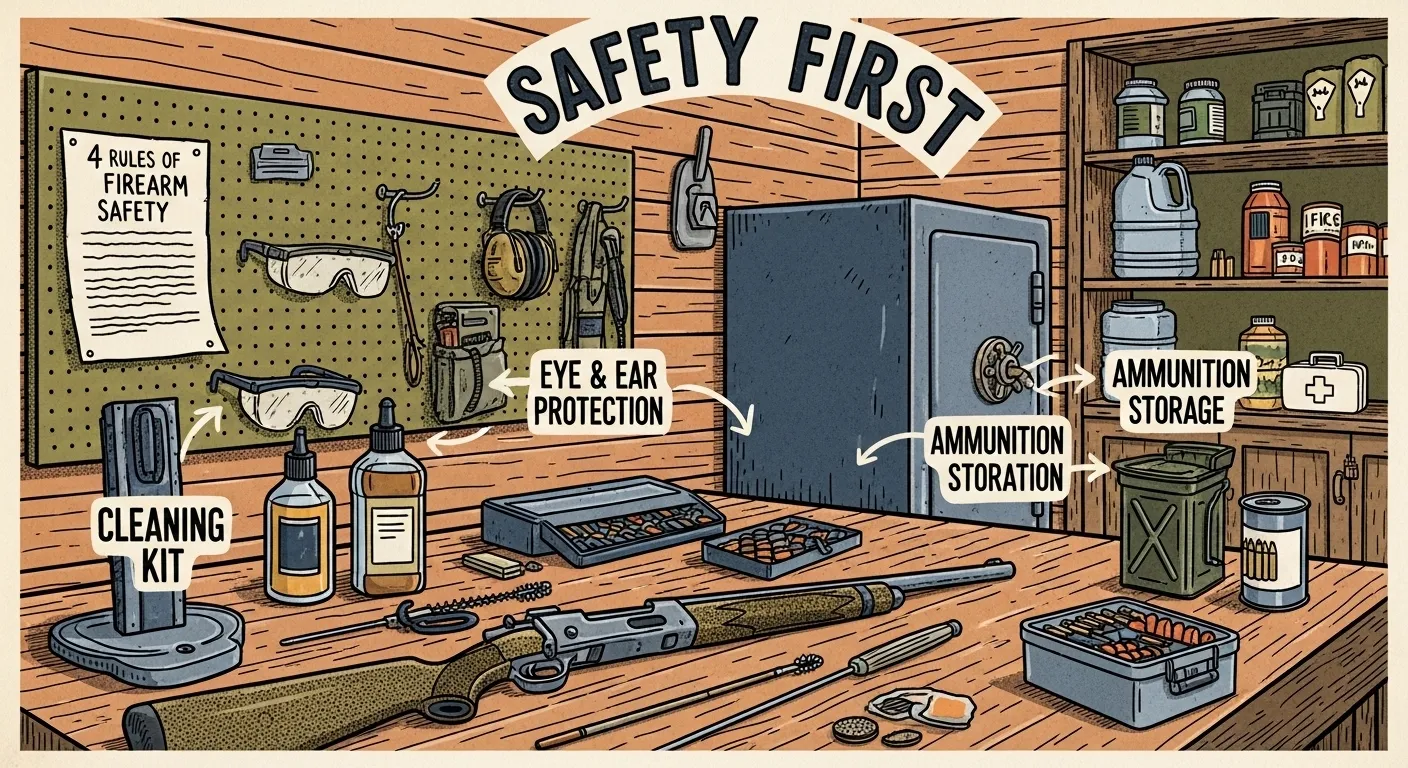
For new preppers, the best firearms are reliable, easy-to-use models supported by training, safe storage, and legal compliance. Firearms can aid preparedness through home defense, hunting, and security, but they should be integrated into a broader plan that includes safety, supplies, and skill-building.
Key Takeaways
- Choose one reliable firearm matching your primary mission before adding any additional platforms.
- Enroll in formal firearms training and practice dry-fire, live-fire, and refresher courses regularly.
- Store defensive handguns in a quick-access lockbox tested under realistic conditions including power loss.
- Prioritize common calibers like 9mm, 12 gauge, or 5.56/.223 to ensure ammunition availability.
- Record each firearm's model, serial number, and purchase receipt with encrypted digital and offsite paper backups.
Firearms for Preppers: A Practical Guide to Choosing, Using, and Storing Guns Safely
Quick take
- Choose one reliable, easy-to-use firearm that matches your main need: home defense, hunting, or rural security.
- Get formal training, practice regularly, and maintain the gun.
- Store firearms with layered security so unauthorized people cannot access them while you retain lawful, timely access.
- Follow local laws. Confirm requirements where you live.
Summary
Firearms for preppers provide defense, hunting capability, and deterrence when used responsibly. Pick a single, simple platform that fits your mission. Get professional training. Implement secure storage and confirm legal requirements. Firearms are a tool alongside water, food, medical supplies, and communications.
Legal and risk notes
Laws such as background checks, permits, and storage rules vary by state and country. Check local rules before you buy or transport a gun. Threat timelines and response options differ by location. Tailor plans to the realistic risks where you live.
Definitions
- Firearm platform: the basic gun type and design, for example a handgun, shotgun, or rifle.
- Manual of arms: the controls and standard procedures for operating a specific gun.
- Bolt-action: a rifle you cycle manually; it is simple and reliable for hunting.
- Semi-automatic: the firearm chambers the next round automatically; one trigger pull fires one shot.
- NICS: the U.S. federal background-check system used by licensed dealers. Private-sale rules vary by state.
- Child access prevention: laws and practices to keep firearms away from children.
Quick checklist for new preppers considering firearms
- Define your primary mission: home defense, hunting, or rural security.
- Choose one reliable firearm to learn first. Learn it well.
- Enroll in formal legal and practical training.
- Implement layered secure storage.
- Verify purchase, transport, storage, and use laws where you live.
- Maintain the firearm and train regularly.
Why include a firearm in a prepper plan?
- Defense: protect people and property in certain extreme situations.
- Food procurement: hunting rifles and shotguns help source meat when needed.
- Pest and predator control: useful on farms and in remote areas.
- Deterrence: lawful, visible ownership can reduce opportunistic crime.
Most disasters do not lead to violence. Some situations will strain response times. Plan for the risks in your area.
Choosing firearms for preppers: key considerations
- Mission: clarify whether you need a gun for home defense, hunting, concealed carry, or long-term rural security.
- Reliability: pick a model known to function with widely available factory ammunition you can buy at major stores or local shops.
- Ergonomics: the controls should be intuitive and comfortable under stress.
- Simplicity: choose a lower-maintenance design with a straightforward manual of arms.
- Ammunition availability: common calibers such as 9mm, 12 gauge, and 5.56/.223 are easier to source.
- Training access: confirm that local instructors and ranges support the platform you choose.
- Legal restrictions: check for bans, registration rules, magazine limits, and transport requirements.
Keep it simple. Master one platform before you add more.
Recommendation for beginners
A practical household mix:
- One handgun for personal defense.
- One shotgun for home defense and hunting.
- One rifle for hunting and range practice.
Match your choices to your mission, comfort level, and local laws.
Firearm types at a glance
- Handgun: compact and easier to store. Good for close defense. Practice frequently for accuracy.
- Shotgun: versatile for home defense and hunting. Consider recoil and the bulk of shells.
- Rifle: offers range and accuracy for hunting and rural defense. Size and local restrictions matter.
Firearm safety: rules and daily habits
Four safety rules you must follow.
- Treat every firearm as if it is loaded.
- Never point a firearm at anything you are not willing to destroy.
- Keep your finger off the trigger until you intend to fire.
- Be sure of your target and what is beyond it.
Daily habits
- Take formal training from reputable instructors.
- Practice loading, unloading, and clearing malfunctions.
- Use eye and hearing protection on the range.
- Never mix alcohol or impairing drugs with firearms.
- Keep guns inaccessible to children and unauthorized users.
- Train regularly: dry-fire, live-fire, and refresher courses.
Storing firearms: secure and accessible
Goal: prevent unauthorized access while allowing lawful, timely access when needed.
Layered options
- Gun safes and vaults for long-term storage. Choose a safe with a fire rating and anchor it to the structure.
- Quick-access lockboxes or small safes for defensive handguns. Test how they work under realistic conditions and how they behave during power loss if they use electronics.
- Cable and chamber locks as inexpensive backup measures.
- Store guns unloaded when household risk and the law make that appropriate. Store ammunition in a separate locked container if needed.
- Use desiccants or a small dehumidifier inside a safe to prevent rust.
Accessibility scenarios
- Home defense: place a quick-access safe where you can reach it legally and safely from your primary living area.
- Reserve firearms: keep them in a larger safe with restricted access and climate control.
- Vehicle storage: generally avoid storing firearms in vehicles when possible. Follow state and local transport laws if you must.
Inventory and records
- Record model, serial number, purchase receipt, and any transfer paperwork.
- Keep secure backups of records. Use an encrypted digital copy and a paper copy stored offsite.
Legal considerations
- Background checks: licensed dealers use systems like NICS in the U.S. Private-sale rules differ by state.
- Permits and registration: some places require purchase permits, carry permits, or registration.
- Storage laws: many jurisdictions have child access prevention and mandatory secure storage requirements.
- Transport rules: laws may require guns to be unloaded, cased, or separated from ammunition during transport.
- Use-of-force law: learn local rules on self-defense, duty to retreat, castle doctrine, and stand-your-ground.
- Restricted locations: schools, courthouses, and many government buildings prohibit firearms.
Legal resources
Consult official government sources, licensed dealers, or a qualified attorney for specific questions. Update your knowledge when you move or when laws change.
Training and skills beyond marksmanship
- Legal and ethical education: understand the consequences and aftermath of defensive incidents.
- First aid and trauma care: learn bleeding control and basic trauma response.
- Maintenance: practice cleaning, inspection, field-stripping, and basic troubleshooting.
- Marksmanship fundamentals: sight alignment, trigger control, breathing, stance, and stress inoculation.
Choose instructors with verifiable credentials and a focus on safety and law.
Integrating firearms into a broader prepper plan
- Firearms complement essentials, they do not replace them. Water, food, medical supplies, communications, shelter, and practical skills remain priorities.
- Coordinate firearm choices with family plans, evacuation routes, and local threat assessments.
Final thoughts
A firearm can be useful when you match it to a clear need, train with it, store it securely, maintain it, and follow the law. Competence and a balanced kit matter more than accumulating gear.
FAQ
Q: Do all preppers need a firearm?
A: No. Personal circumstances, local law, comfort level, and access to training determine suitability.
Q: Best first firearm?
A: There is no single best choice. Pick a reliable, simple model that matches your mission and uses readily available ammunition.
Q: How often should I train?
A: Train often enough to maintain safe handling and functional competence. Use a mix of dry-fire practice, live-fire, and professional instruction.
Q: Store loaded or unloaded?
A: That depends on household risk, access needs, and legal requirements. In homes with children, unloaded and securely stored is usually safest.
Q: Can firearms replace other prepper gear?
A: No. Firearms are one tool among many. Essentials remain water, food, medical supplies, and communications.
Verification reminders
Verify all legal statements for your jurisdiction before acting. Laws change frequently. Tailor recommendations to your specific needs and risks.
End of guide
The Complete
Prepper's Reference.
149 articles synthesized into one comprehensive PDF — twelve chapters covering water, food, shelter, first aid, comms, and scenario-specific preparedness. Free with your email.
Unsubscribe anytime · We never share your email
You're in. Check your inbox.
Keep Reading
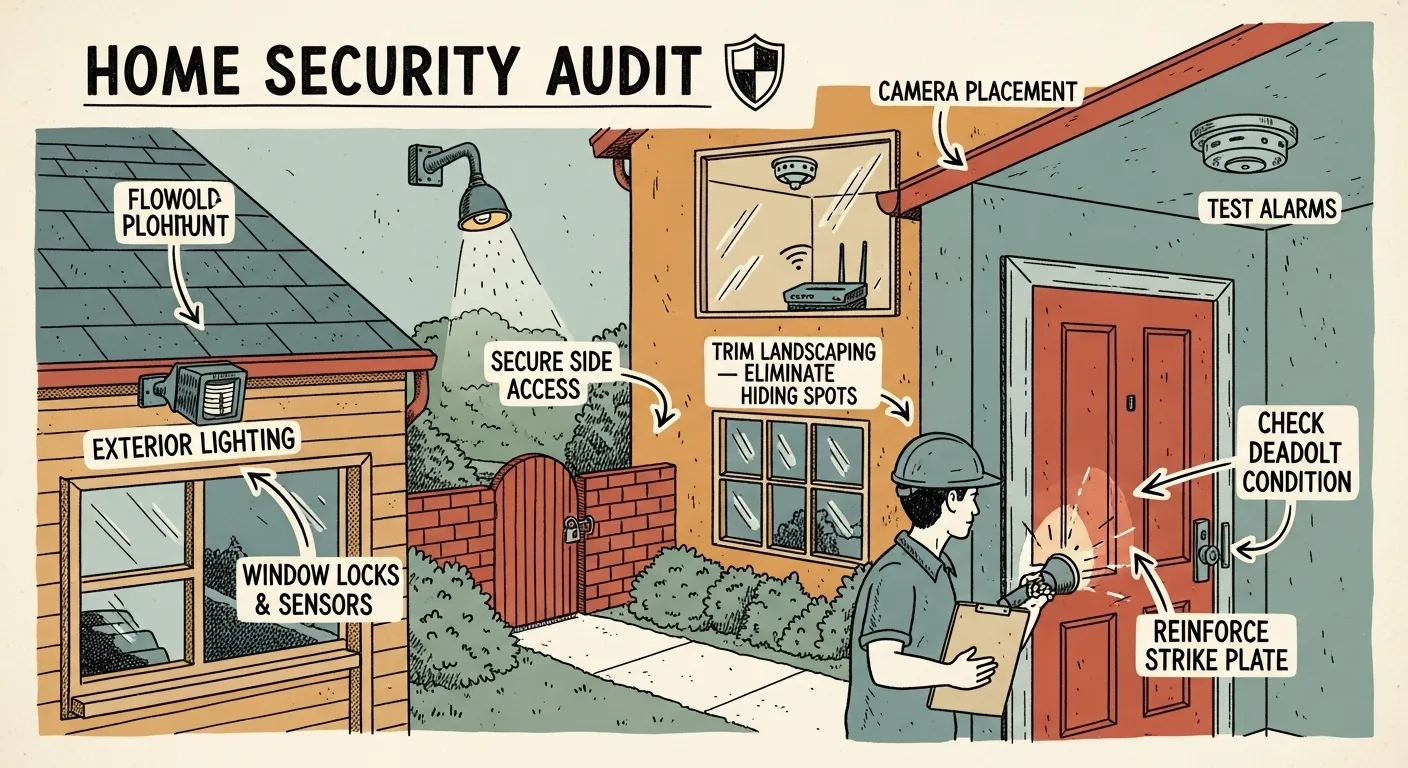
How to Conduct a Home Security Audit
Learn how to do a home security audit step by step, spot vulnerabilities, and upgrade your defenses with practical prepper-friendly tips.
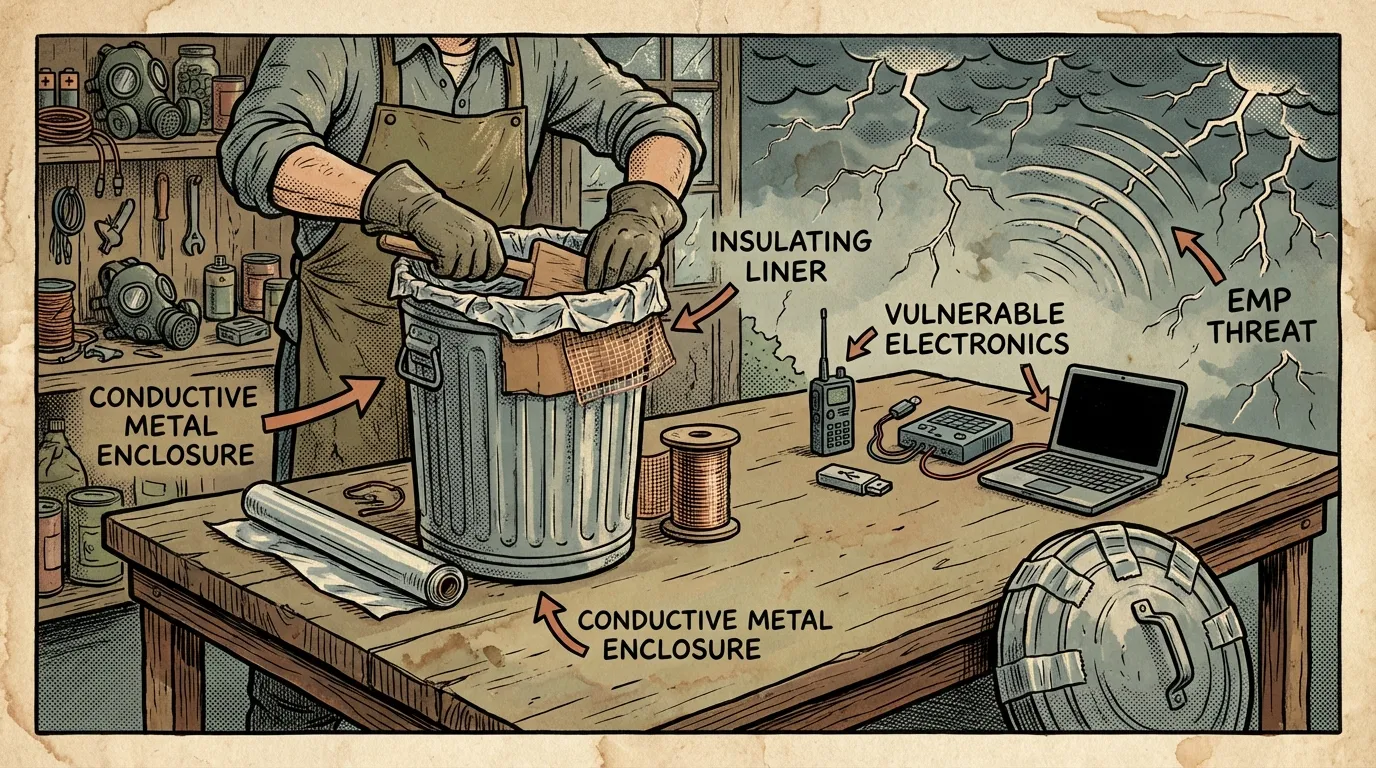
Understanding and Utilizing Faraday Cages
Learn what a Faraday cage is, how it works, and how preppers can build, test, and use one to protect electronics from EMPs and interference.
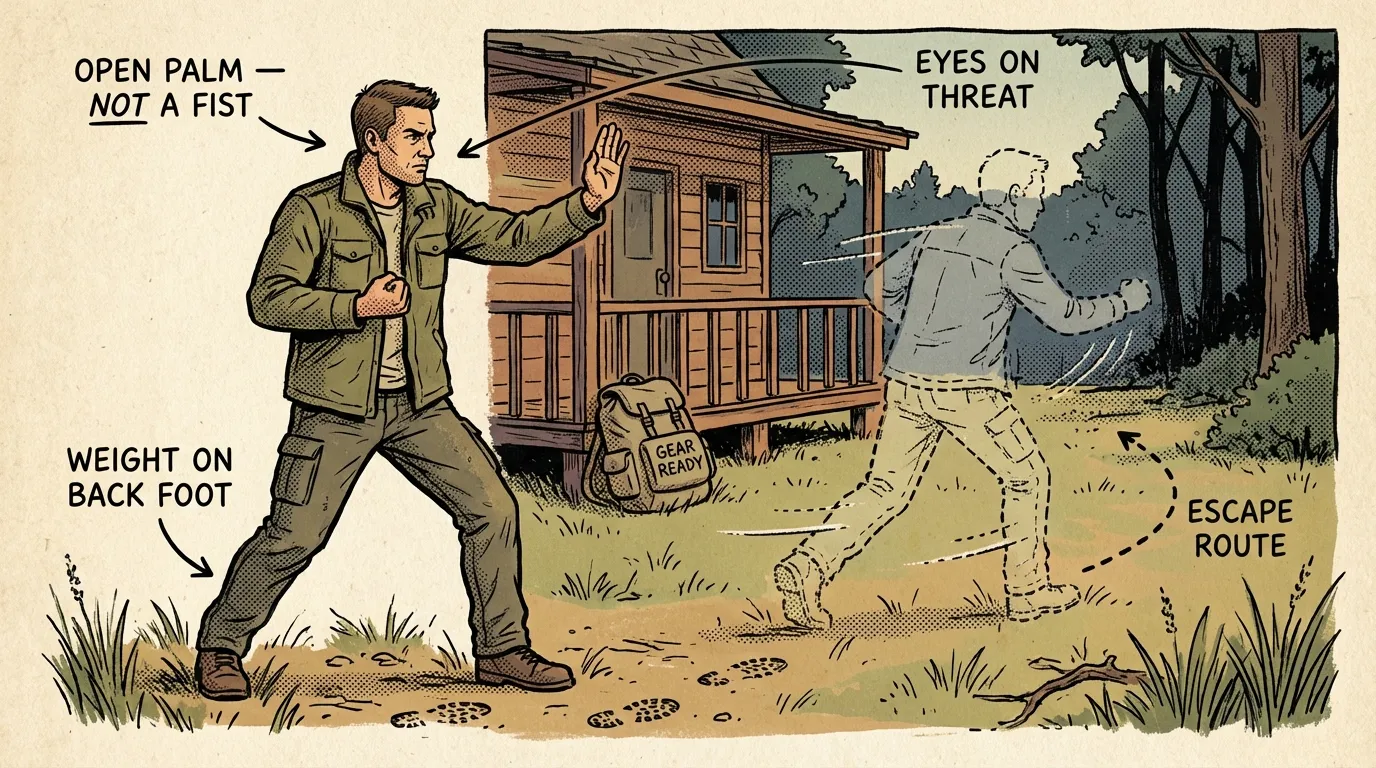
Self-Defense Techniques for the Untrained Prepper
Learn simple self-defense techniques for beginner preppers, including strikes, escapes, mindset, and safe at-home practice to boost readiness.