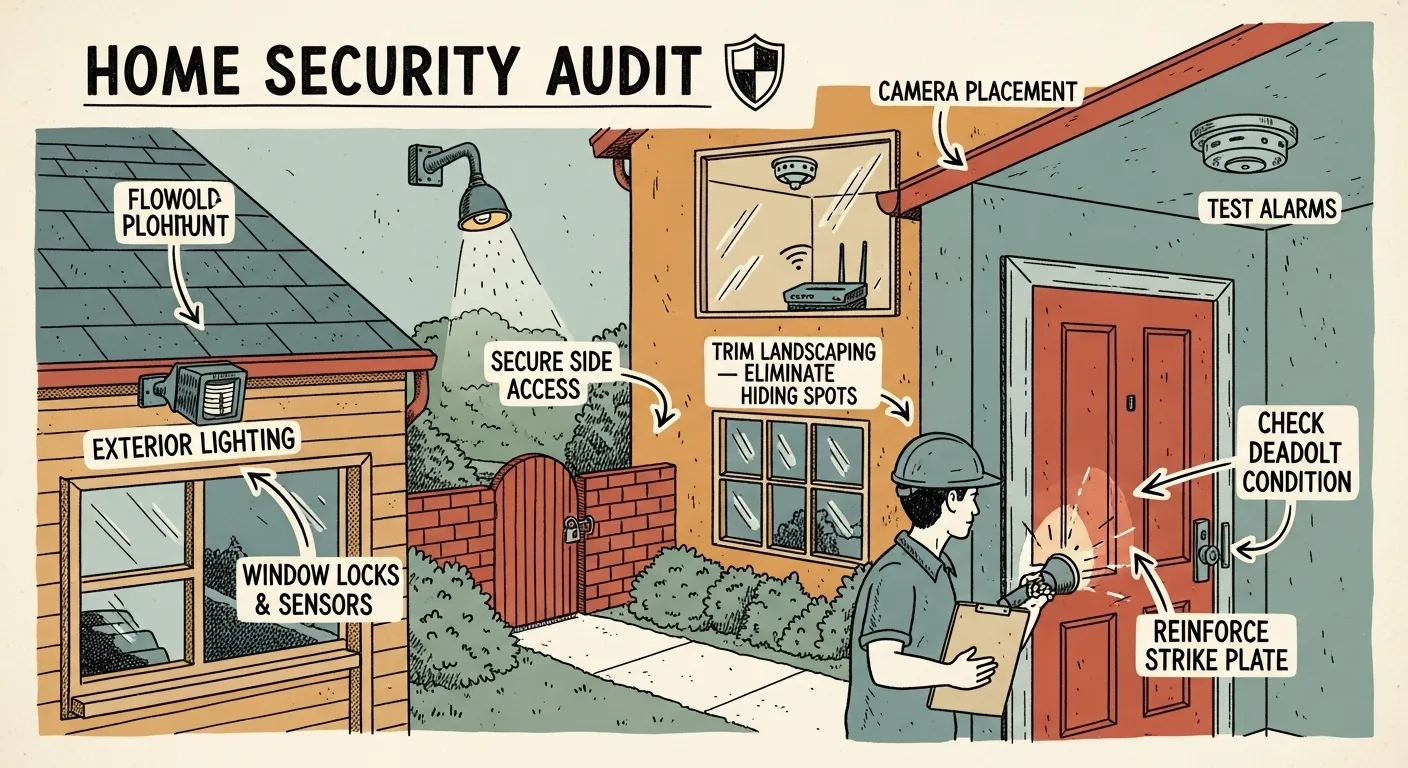
A home security audit is a systematic review of your property to identify vulnerabilities in doors, windows, lighting, perimeter access, and interior defenses. For preppers, it helps protect people, supplies, and shelter-in-place capability by prioritizing practical upgrades like reinforced entry points, alarms, cameras, and regular reassessments.
Key Takeaways
- Install deadbolts with a 1-inch throw and secure strike plates using 3-inch screws into framing.
- Conduct your home security audit at least twice a year, typically in spring and fall.
- Trim all landscaping within 6 to 8 feet of windows and doors to eliminate hiding spots.
- Store critical documents and valuables in a fire- and water-resistant safe with a photo inventory.
- Equip your alarm system with cellular and battery backup to maintain function during outages.
Home Security Audit: A Prepper’s Guide to Securing Your Base
Quick answer: A home security audit is a walkaround inspection of your property that finds and ranks physical and behavioral weaknesses: doors, windows, lighting, landscaping, and habits. Do it at least twice a year. Fix obvious access points first — deadbolts, strike plates, and lighting. Add layered detection and delay. Keep an up-to-date inventory.
What is a home security audit?
A home security audit is a structured, repeatable inspection that identifies vulnerabilities, ranks them by risk and cost to fix, and produces an action plan. Inspect, fix, test, repeat. The goal: discourage intruders with visible deterrents, slow them with reinforced barriers, detect attempts early with sensors and cameras, and make a plan to respond.
Why this matters
- Roughly 1 in 36 U.S. homes experience a burglary each year. Check FBI and BJS reports for the exact year and figures.
- Research finds homes without visible security measures are more likely to be targeted.
- Most burglaries use doors or windows as entry points.
Translation: intruders exploit predictable, fixable weaknesses. A home security audit targets those weaknesses.
How to run a practical home security audit
A good audit does three things: identify vulnerabilities, prioritize high-impact fixes, and create a repeatable schedule.
Preparation
- Bring a checklist, flashlight, camera or phone, tape measure, and pen.
- Walk the property as if you were an unfamiliar person approaching on foot at night and during daylight.
Step 1: Perimeter assessment
Walk the perimeter from multiple vantage points: curb, alley, and backyard. Look for concealment, unmonitored approach routes, and items that aid access.
Perimeter checklist:
- Are all sides of the home visible from common vantage points or well lit?
- Can someone approach doors or windows unseen?
- Are gates locked and fences intact?
- Are ladders, tools, or furniture stored where they can be used to access upper windows?
- Are outbuildings such as sheds and detached garages locked?
- Are shrubs and trees trimmed to remove hiding spots near entries?
Photograph or note these items:
- Overgrown landscaping within 6 to 8 feet of windows and doors
- Broken fence latches or gaps under gates
- Unlit pathways, corners, or blind spots
- Easily accessible ladders or stacked items
Step 2: Secure every entry point
Most intrusions use doors or windows. Treat every exterior access as a potential vulnerability.
Door inspection checklist:
- Exterior doors are solid-core or metal
- Door frames are tight with no rot or large gaps
- Deadbolt with a 1 inch (25 mm) or longer throw and a single-piece bolt
- Strike plate reinforced and secured with 3-inch screws into framing
- Hinges secure with long screws anchored into framing
- No hidden spare keys in predictable spots
Window inspection checklist:
- All windows have functional locks
- Sliding doors and windows have pins or secondary locks
- Basement and ground-floor windows have sensors, bars, or reinforcement
- Windows do not reveal stored supplies or valuables
Garage inspection checklist:
- Garage emergency release is shielded or secured
- Door between garage and house has a reinforced deadbolt
- Garage windows do not reveal tools, fuel, or supplies
- Garage door is not habitually propped open
Step 3: Interior layers: deter, delay, detect, respond
Plan interior security as multiple layers to maximize detection time and response options.
Examples by function:
- Visible deterrents: cameras in public view, security signage, tidy exterior, motion lights
- Delay measures: reinforced interior doors, security film on glass, interior deadbolts
- Detection: door and window sensors, glass-break detectors, motion sensors, monitored alarm
- Response: a safe-room plan, an accessible phone, emergency contact list, coordination with neighbors
Protect supplies and records:
- Use a fire- and water-resistant safe for documents and small valuables
- Store fuel and hazardous supplies in lockable, ventilated containers
- Keep an inventory of valuables with photos and serial numbers
Step 4: Tech, gadgets, and resilience
Technology helps only if it stays powered and connected. Prioritize resilient, simple systems.
Hardware priorities:
- Alarm system with cellular backup and battery backup
- Cameras or a video doorbell with night vision and reliable storage
- Smart locks that include a physical key backup and use secure encryption
- UPS for routers and hubs; battery or solar backup for critical sensors
- Integrate smoke, CO, and water-leak detectors when practical
Service tips:
- Use licensed locksmiths for door and frame reinforcement
- Hire a certified electrician for major lighting or power upgrades
- Compare local professional monitoring with self-monitoring for cost and response time
Step 5: Reassess and maintain your audit
Treat the audit as ongoing maintenance rather than a one-time fix.
When to recheck:
- At least twice a year, typically spring and fall
- After moving or completing renovations
- After any burglary attempt or suspicious activity
- After major equipment or system changes
Maintenance checklist:
- Test locks, alarms, and cameras
- Replace batteries and test backup power
- Trim landscaping and restore sightlines
- Rotate and update access codes and keys
- Update inventory records and emergency contacts
Quick FAQ
Q: What is a home security audit in one sentence? A: A repeatable inspection that finds and prioritizes fixes to reduce the chance of a successful break-in.
Q: Why does this matter for preppers? A: Preppers store supplies and rely on shelter. Securing your location protects supplies, people, and the ability to shelter in place.
Q: Where to start on a tight budget? A: Reinforce door hardware and strike plates, add motion-sensing exterior lights, secure windows and gates, and use visible deterrents like camera decals and signage.
Q: Who can help with upgrades? A: Licensed locksmiths, certified electricians, reputable alarm installers, and local police or community watch programs.
Claims to verify
- “Homes without a security system are about 300% more likely to be targeted” — find the original study and review its methodology before citing.
- Use FBI and Bureau of Justice Statistics reports for precise burglary and entry-point figures.
Make your home a hard target A home security audit delivers high value for modest cost. Walk the perimeter. Inspect every exterior access point. Fix the high-impact weak spots first, then add layered deterrents and detection. Small, consistent improvements force intruders to move on.
Next steps
- Print and use the checklists on your next inspection
- Reinforce one door this week and one window next week
- Create a dated folder with photos and inventory for insurance and recovery
Resources
- FBI Uniform Crime Reporting / Crime Data Explorer
- Bureau of Justice Statistics reports on property crime
- Academic studies on deterrence and alarm effectiveness
Start with a notepad. Walk the perimeter. Begin your home security audit.
The Complete
Prepper's Reference.
149 articles synthesized into one comprehensive PDF — twelve chapters covering water, food, shelter, first aid, comms, and scenario-specific preparedness. Free with your email.
Unsubscribe anytime · We never share your email
You're in. Check your inbox.
Keep Reading
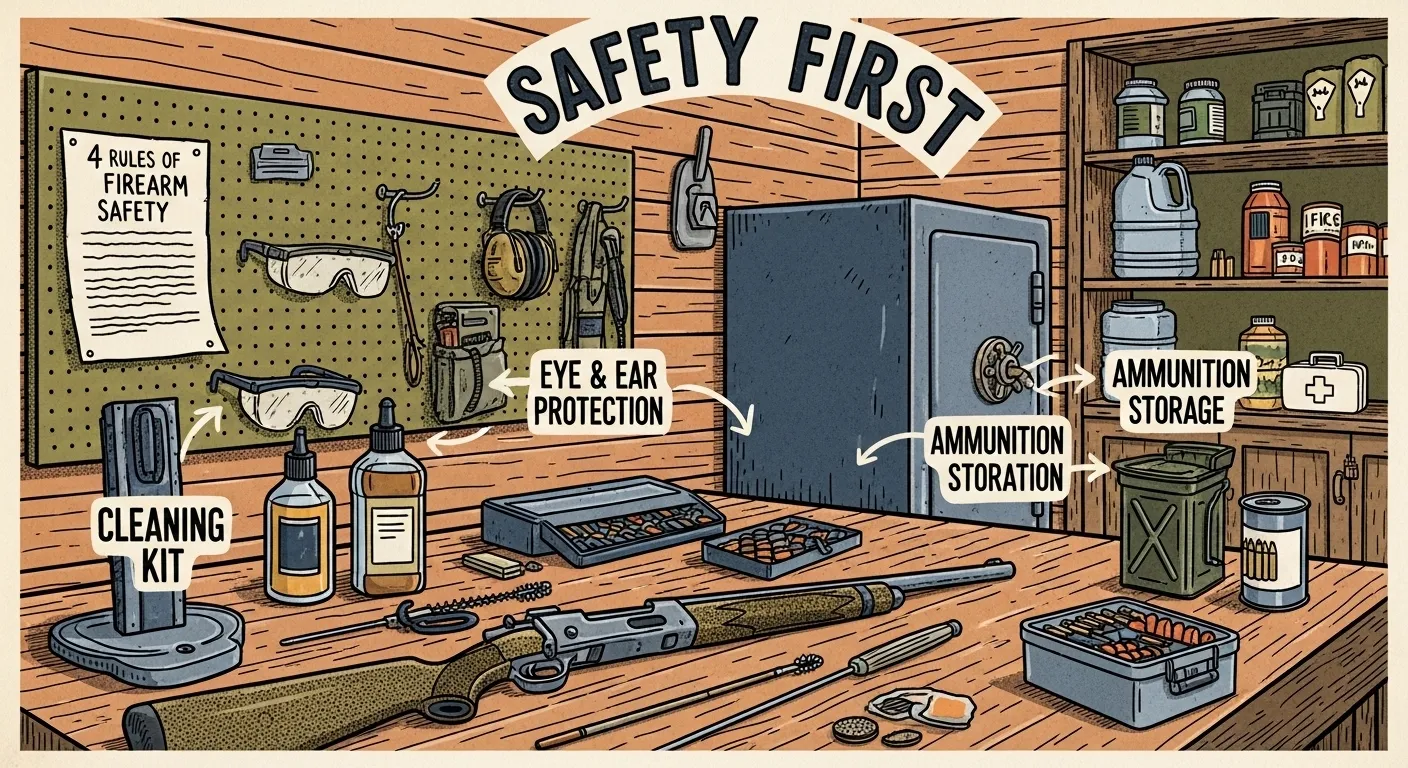
Firearms and Prepping: An Introductory Guide
New to prepping? Learn which firearms fit your plan, how to store them safely, and the key legal and safety basics every beginner should know.
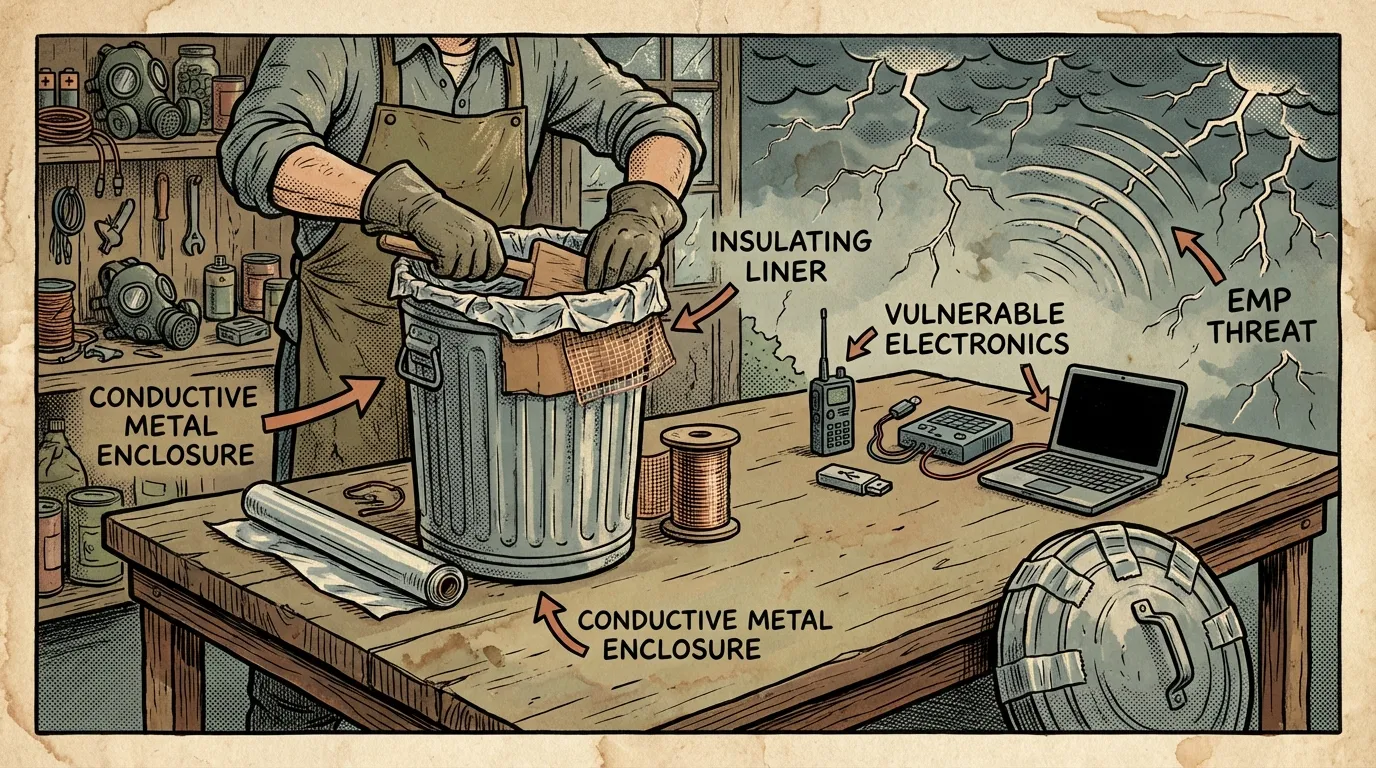
Understanding and Utilizing Faraday Cages
Learn what a Faraday cage is, how it works, and how preppers can build, test, and use one to protect electronics from EMPs and interference.
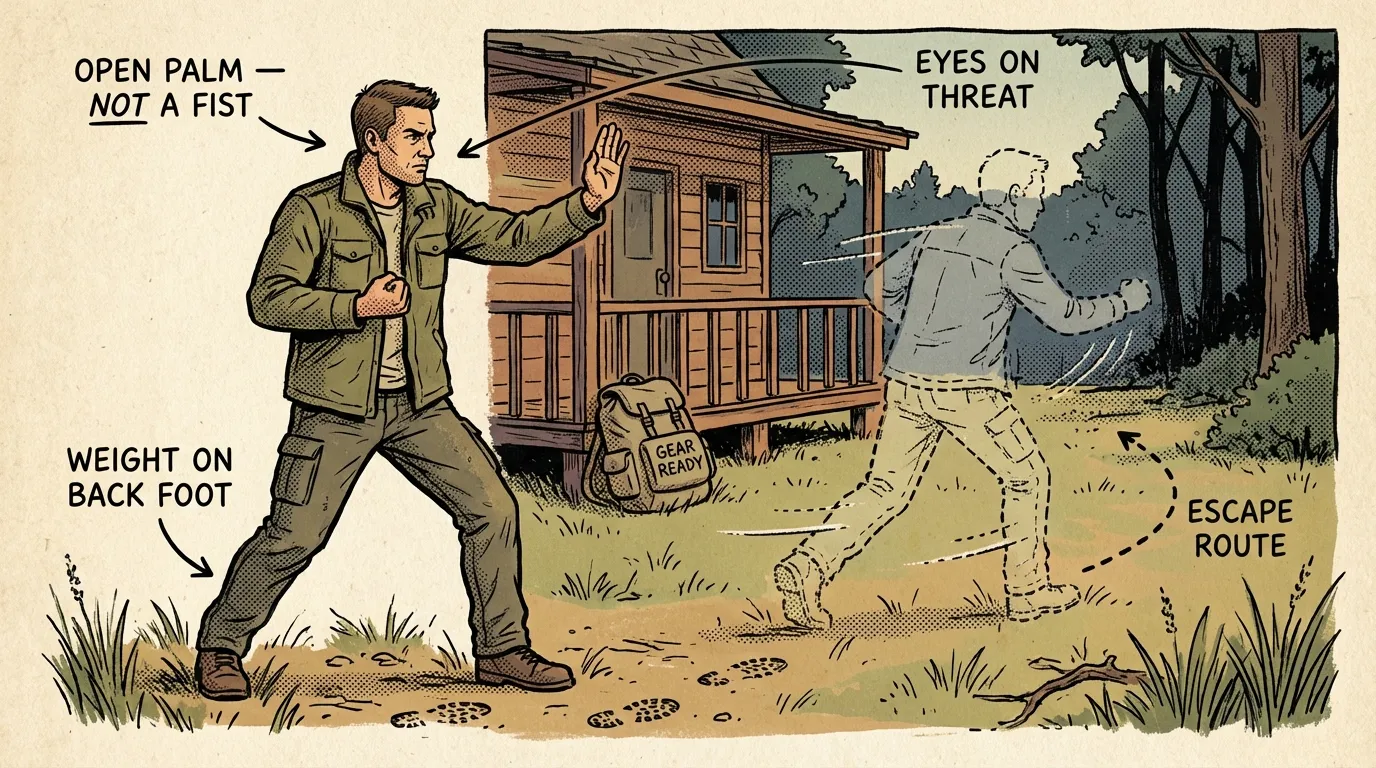
Self-Defense Techniques for the Untrained Prepper
Learn simple self-defense techniques for beginner preppers, including strikes, escapes, mindset, and safe at-home practice to boost readiness.