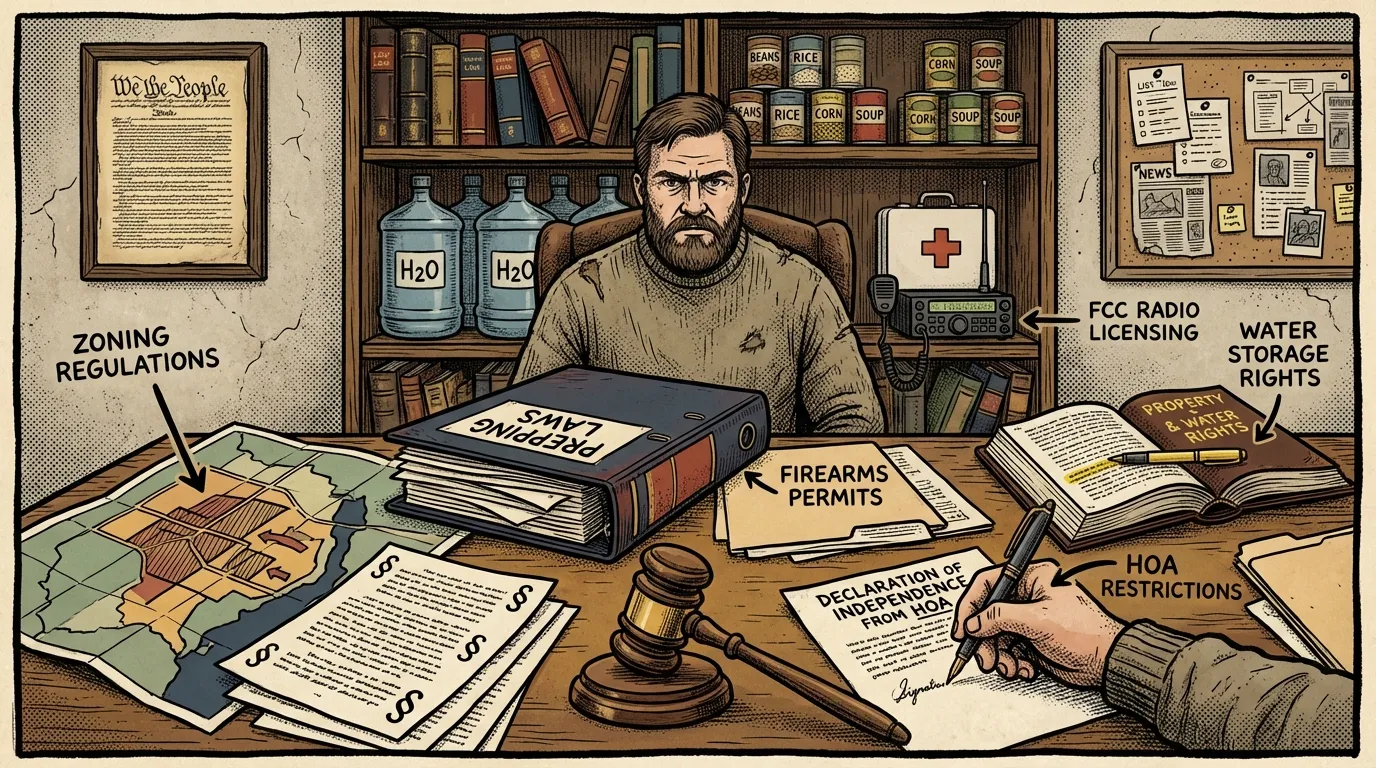
The key legal aspects of prepping include local and federal laws on stockpiling, weapons ownership and storage, land use, building permits, and emergency-related regulations. Most food and water stockpiling is legal for personal use, but preppers should verify local codes, fire safety rules, HOA restrictions, and state-specific self-defense and property laws.
Key Takeaways
- Call local building and fire marshal offices and request written guidance before storing fuel or building structures.
- Check state statutes, county ordinances, and HOA documents before making any major preparedness purchase or project.
- Document all firearm serial numbers, receipts, and permits, then store weapons in a secure safe to prevent child access.
- Obtain building, electrical, and plumbing permits before installing sheds, cisterns, bunkers, or solar arrays on your property.
- Recheck federal, state, and local laws annually and before major purchases, monitoring updates from ATF, EPA, and FEMA.
Legal Aspects of Prepping: A Practical Guide to Laws, Permits, and Safe Storage
Quick Answer / TL;DR
- Core legal aspects of prepping include federal, state, and local rules; permits for structures and fuel; safe storage and insurance; and weapon ownership and transport rules.
- You can prepare, but many prep activities trigger local rules or permit requirements.
- First steps: check state law and local codes, call planning/building and fire marshal offices, review HOA or lease documents, and consult a licensed attorney for complex matters.
Summary
The legal aspects of prepping determine what you can store, build, or possess and how you must secure it. Small-scale stockpiling of food, water, and basic medical supplies is usually allowed. Larger systems such as fuel tanks, cisterns, large ammo caches, or excavation commonly require permits, inspections, or face HOA restrictions. Verify federal, state, and local rules and check private covenants before you act.
Clear definitions
- Prepping: preparing for disasters by acquiring supplies, skills, plans, and sometimes structures.
- Stockpiling: storing consumables like food, water, and medicines for household use.
- Accessory structure: a secondary building such as a shed, garage, or greenhouse governed by zoning.
- Hazardous materials: fuels, solvents, and pesticides subject to special storage and disposal rules.
- Safe storage: secure containment and procedures that reduce risk, for example locks, safes, and ventilation.
How to research local rules — practical steps
- Identify jurisdictions: state, county, city or town. Note HOA or lease rules separately.
- Search state statutes for firearms, rainwater collection, fuel storage, and emergency powers.
- Review county and city codes for zoning, accessory structures, and plumbing and electrical requirements.
- Call local offices: planning and zoning, building, and the fire marshal. Ask for written guidance.
- Check applicable federal guidance when relevant: FEMA, CDC, EPA, ATF, DOT, TSA, and NFPA.
- For major projects, hire a licensed local attorney and keep a research log with agency, contact, date, and reference.
Who governs what (at a glance)
- Federal: FEMA for planning; CDC for public health; EPA for hazardous materials; ATF for firearms and explosives; DOT and TSA for transport rules; NFPA for fire codes.
- State: firearms rules, building-code adoption, rainwater laws, and emergency powers.
- County and city: zoning, setbacks, accessory structures, local plumbing, drainage, and burning rules.
- Private: leases, condo bylaws, and HOA covenants, which can be stricter than public law.
The same activity can be legal in one neighborhood and restricted next door. Verify locally.
Agencies and common contacts
- Local planning and zoning: accessory structures, setbacks, and visible equipment.
- Building department: construction, electrical, and plumbing permits and inspections.
- Fire marshal or fire department: fuel and propane limits, hazardous storage, and fire safety requirements.
- State police and attorney general: firearm enforcement and public safety guidance.
- EPA or state environment agency: hazardous materials, large water systems, and waste disposal.
- ATF: firearms, explosives, and certain storage and transport rules.
Stockpiling: legal do’s and don’ts
Do:
- Store food in sealed, food-safe containers and rotate stock using first-in, first-out practices.
- Use approved containers for potable water and follow CDC guidance for treatment.
- Keep shelving within structural limits and avoid blocking exits.
- Check lease, condo, or HOA rules about visible storage and shared spaces.
Don’t:
- Run a residence as a commercial warehouse without the proper permits.
- Create fire, sanitation, or pest hazards through poor storage practices.
- Assume rainwater collection or large cisterns are allowed; verify local rules.
Items that often affect insurance and require regulation include fuel and propane, large quantities of chemicals or fertilizers, prescription medications not prescribed to you, and ammunition, explosives, or pyrotechnics that fall under ATF and state rules.
Weapons and self-defense: core legal points
- Ownership: federal and state laws set prohibited persons, background check rules, and banned items.
- Storage: many states require safe-storage measures to prevent child access and theft.
- Transport and carry: rules vary for open or concealed carry, vehicle storage, and interstate transport.
- Non-firearm tools: pepper spray, tasers, knives, and batons may be restricted locally.
- Use of force: self-defense laws, including duty to retreat, castle doctrine, and stand-your-ground rules, differ by state.
Practical tip: document serial numbers and receipts, store weapons securely, and consider an insurance rider for high-value items.
Land use, building permits, and structures — quick checklist
Before installing a shed, solar array, cistern, well, bunker, or large battery bank:
- Check zoning for permitted accessory structures and setbacks.
- Confirm if building, electrical, or plumbing permits are required.
- Ask about required inspections and plan submissions; engineer-stamped plans are often required for underground or structural work.
- Review environmental rules for wells, septic systems, and stormwater or drainage.
- Check HOA or deed restrictions for prohibited exterior changes.
- Consider insurance and resale impacts: unpermitted work can void claims and complicate sales.
Simple compliance checklist before a major prep decision
- Check relevant state statutes for firearms, water, and emergency powers.
- Review county and city ordinances and zoning codes.
- Inspect lease, condo, or HOA documents.
- Confirm permits and inspections with the building department.
- Verify storage and fire-code limits with the fire marshal.
- Review insurance limits and notify your carrier if required.
- Document purchases, serial numbers, receipts, and any permits.
- Recheck laws annually and before major purchases or projects.
FAQ — short answers
Q: Are there specific laws about stockpiling food and water? A: Personal stockpiling is typically legal, but local rules can govern storage conditions and large collection systems such as cisterns.
Q: Can I legally store large amounts of fuel? A: Fuel is more regulated. Fire codes, local ordinances, and insurance policies commonly limit quantities and container types.
Q: Is it legal to keep weapons for preparedness? A: Yes, with jurisdictional restrictions on ownership, storage, transport, and use. Check state law and ATF rules.
Q: Can I build a bunker on my property? A: Possibly. Expect excavation permits, engineering reviews, structural codes, and inspections. Unpermitted work creates legal and insurance risks.
Q: How do I stay compliant with changing laws? A: Monitor state and local code updates, follow agency guidance from FEMA, CDC, EPA, ATF, and NFPA, and consult a licensed attorney for significant decisions.
Practical next steps
- Start small. Verify storage and safety for your current kit, then scale while checking laws and permits.
- Call local building and fire departments and request written guidance you can keep.
- Save emails, permit copies, and receipts as proof of compliance.
- Use licensed contractors and engineers for structural projects, and hire a lawyer for legal questions.
Legal disclaimer
Not legal advice. Laws vary by jurisdiction and change over time. Consult a licensed attorney for guidance tailored to your situation.
The Complete
Prepper's Reference.
149 articles synthesized into one comprehensive PDF — twelve chapters covering water, food, shelter, first aid, comms, and scenario-specific preparedness. Free with your email.
Unsubscribe anytime · We never share your email
You're in. Check your inbox.
Keep Reading
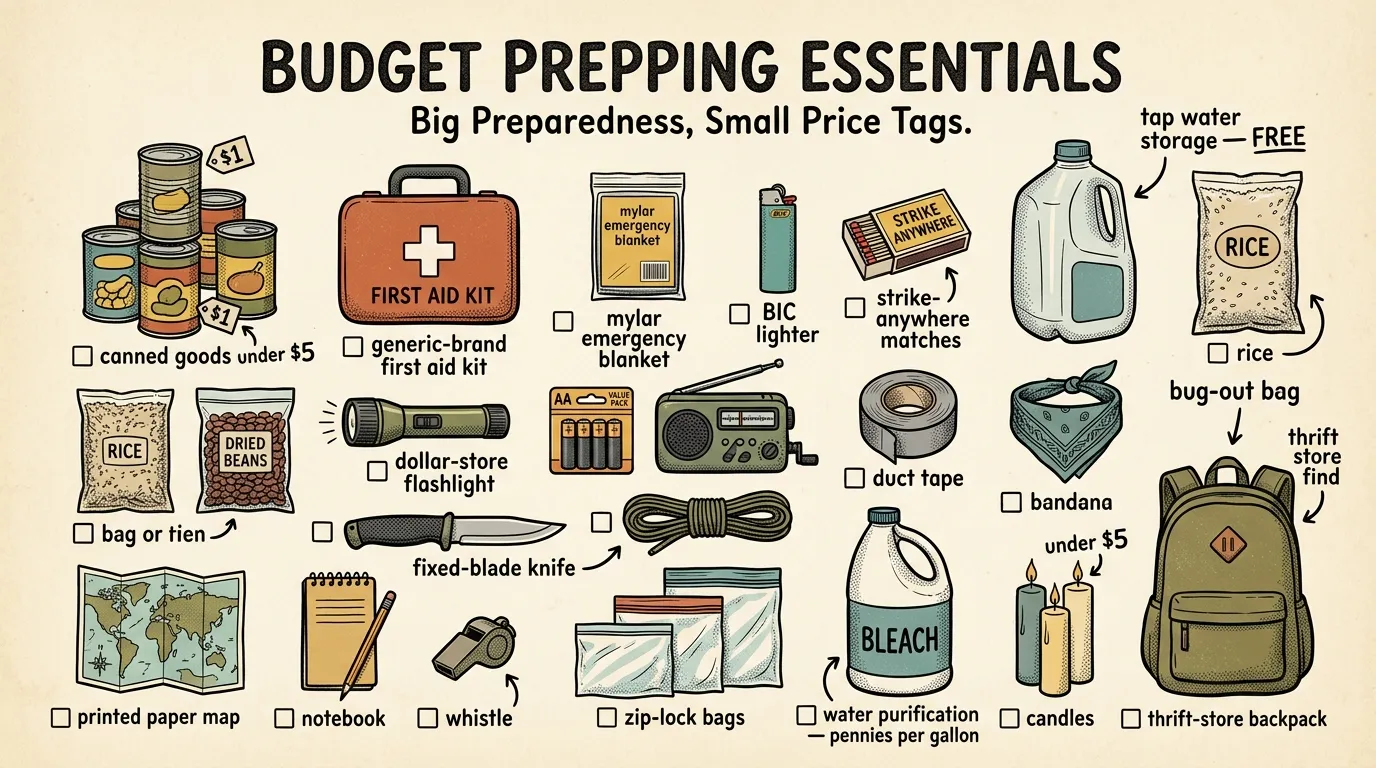
Prepping on a Budget: Affordable Gear & Strategies
Start prepping on a budget with a $75-$150 starter kit. Get affordable gear picks, DIY hacks, and a layered buying plan.
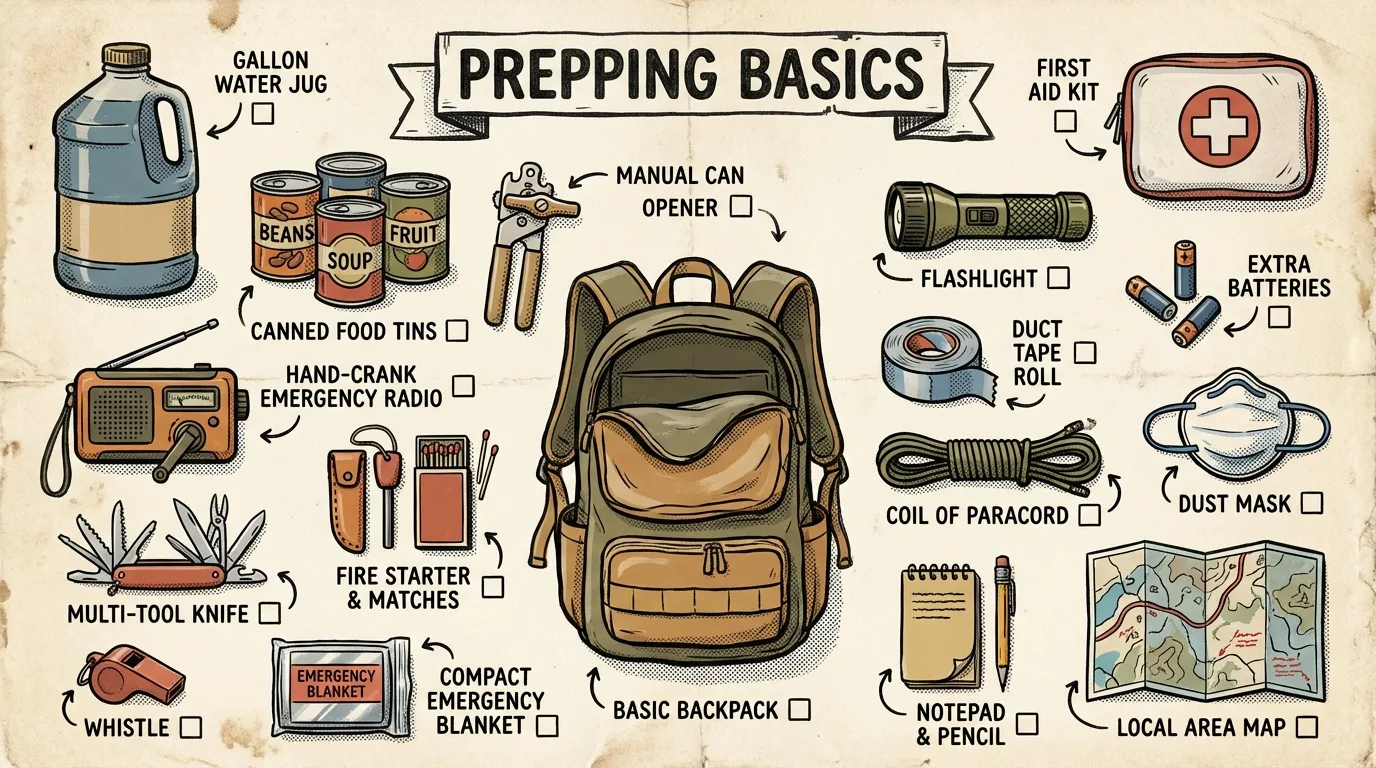
Beginner Prepping Basics: Start Survivalism the Right Way
Learn beginner prepping basics. Practical steps, budget-friendly gear, and common mistakes to avoid. Start prepping today.
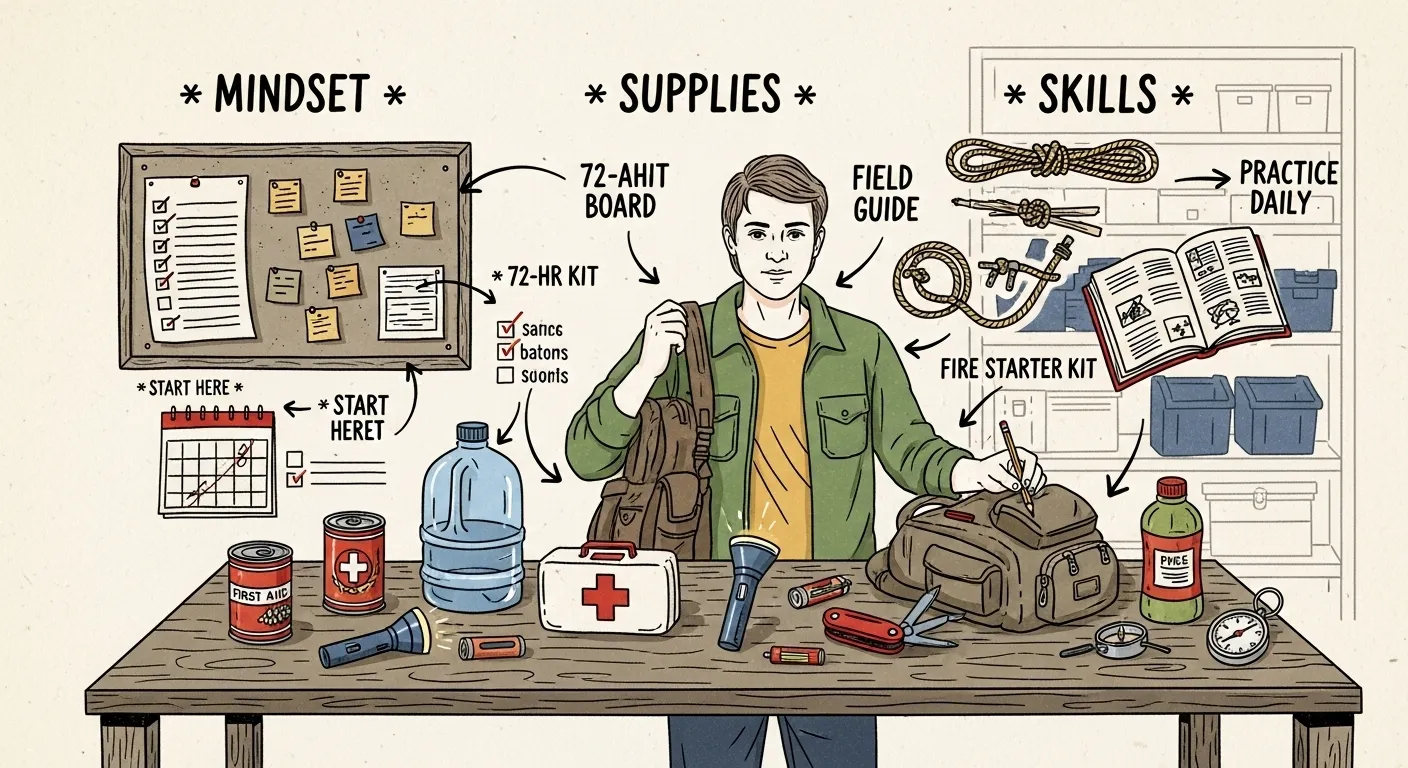
Beginner Prepper Guide: Mindset, Supplies & Skills
New to prepping? This beginner prepper guide covers the preparedness mindset, essential supplies, skills, and mistakes to avoid. Start building readiness today.