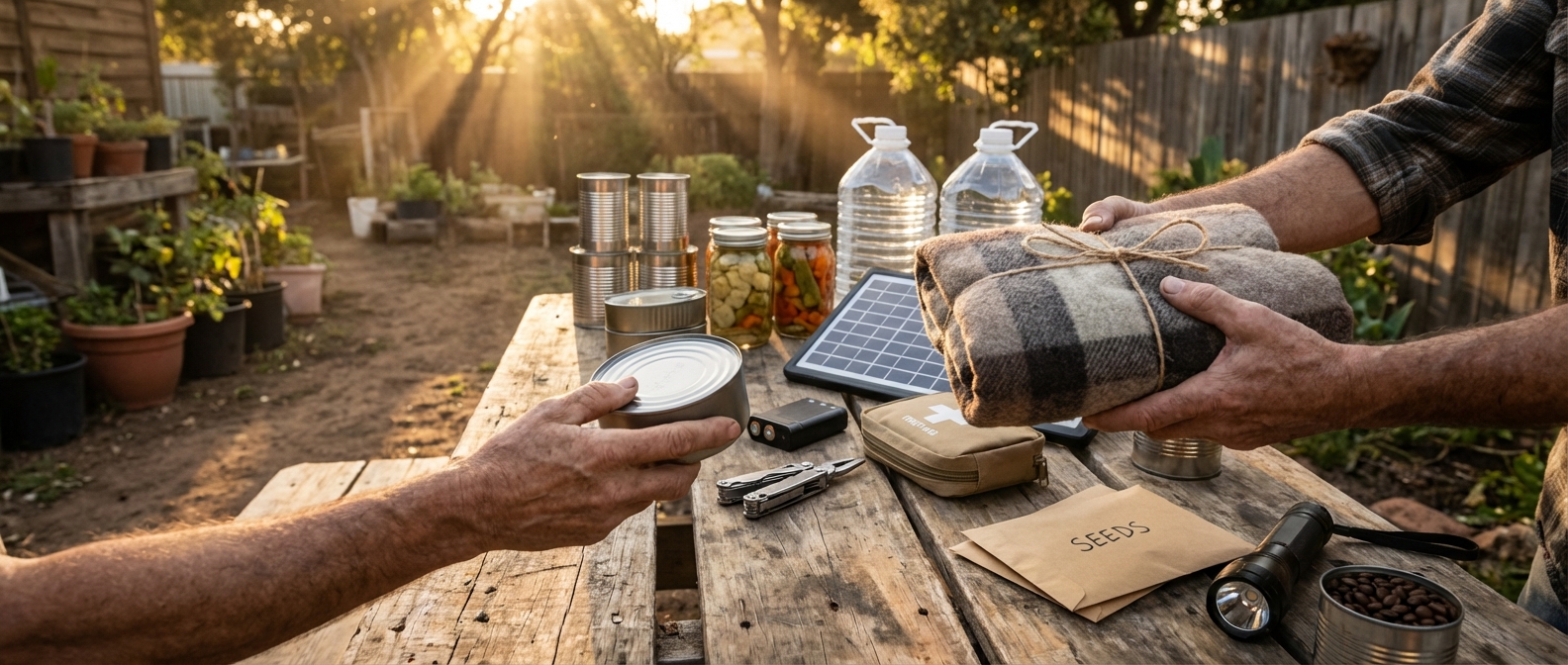
Bartering is the exchange of goods or services without money, and it becomes important during emergencies when cash, stores, or payment systems fail. The best barter assets in a crisis are practical supplies like food, water, hygiene items, batteries, and tools, plus useful skills such as first aid, repairs, gardening, and childcare.
Bartering in Emergencies: How to Trade Skills and Goods When Cash Stops Working
Quick summary
- Bartering in emergencies means exchanging goods or services directly when cash or electronic payments stop working.
- Top barter items: clean water and treatment, shelf-stable food in small portions, basic medicine and hygiene items, batteries and power sources, fuel, tools, and repeatable skills such as first aid and basic repairs.
- Practice now: inventory your skills, build a small divisible barter kit, rehearse low‑stakes trades, and build trust with neighbors. Be discreet and check local laws; barter income can be taxable.
Immediate answer
Bartering in emergencies works when financial systems or supply chains fail. Favor small, divisible items and skills you can use repeatedly. Build relationships and practice trades before a crisis. Do not trade away essential reserves or regulated items that pose legal or safety risks.
What bartering in emergencies means
Bartering in emergencies is the direct exchange of goods or services without money or electronic payment. It can be casual swaps between neighbors or organized efforts like time banks and mutual aid groups. The most useful barter assets meet immediate survival needs or fill local supply gaps.
Sources and legal note
- For medical and preparedness guidance, follow the American Red Cross and FEMA.
- Check original reports from organizations such as IFRC for community resilience research.
- Bartered goods and services may count as taxable income in many jurisdictions. Check local tax rules.
When bartering becomes crucial
Bartering proves most useful during:
- Natural disasters: hurricanes, floods, earthquakes, wildfires, tornadoes.
- Extended grid or telecom outages.
- Regional shortages of fuel, medicine, food, or water.
- Local banking or cash shortages.
- Post-disaster recovery and other localized disruptions.
High-value assets for bartering in emergencies
High-value barter assets fall into two groups: consumable essentials and repeatable practical skills.
High-value goods
- Food: canned goods, rice, beans, pasta, oats, cooking oil, salt, sugar. Pack single servings for easier trades.
- Water and treatment: bottled water, purification tablets, small portable filters, unscented bleach, storage containers.
- Medical and hygiene: bandages, antiseptics, over-the-counter pain relievers, soap, toothpaste, feminine products, diapers.
- Fuel and power: AA/AAA batteries, flashlights, lighters or matches in waterproof containers, propane canisters, solar chargers, small power banks.
- Tools and repair supplies: multi-tools, duct tape, paracord, tarps, nails, basic hand tools.
- Morale items: coffee, chocolate, simple games such as a deck of cards. Small comforts go far.
Note: small, divisible units make trades easier.
High-value skills
- First aid and basic medical care. Stay within your training.
- Mechanical and electrical repairs: generators, small engines, bicycles, plumbing basics.
- Food production and preservation: gardening, canning, dehydrating, bread baking, seed saving.
- Shelter and firecraft: safe fire starting, tarp setups, weatherproofing, camp cooking.
- Communications and coordination: ham radio, neighborhood organizing, route planning.
- Care services: childcare, eldercare, pet care, meal prep, rides.
Skills that can be repeated day after day have high long-term value.
Prep steps to take now
- Inventory your skills and surplus goods. Mark what you will trade and what you will keep in reserve.
- Build a small barter kit separate from your core emergency stash.
- Practice low-stakes trades with neighbors or community groups.
- Watch what your community needs. Notice which trades bring the most value.
- Learn one high-value skill at a time, such as first aid or basic generator maintenance.
- Build a small circle of trusted people: neighbors, farmers, ham operators, CERT volunteers, or mutual-aid organizers.
Small barter kit checklist
- Water-treatment tablets or a small personal filter.
- Individual batteries (AA/AAA) or a compact power bank.
- Single-serving canned goods and protein bars.
- Basic hygiene items: soap, toothpaste, feminine products, diapers.
- Lighters or matches in a waterproof container.
- Multi-tool or small hand tool.
- Basic first-aid supplies: bandages, antiseptic wipes, common OTC pain relief.
- Work gloves and extra socks.
Common bartering mistakes
- Trading away core survival supplies. Keep essentials reserved and only trade surplus.
- Overvaluing items because they matter to you personally. Value is local and context dependent.
- Undervaluing skills. Labor and expertise are often scarce during disruptions.
- Ignoring safety. Meet in public, daylight locations and avoid broadcasting stockpiles.
- Trading illegal or regulated items such as prescription medication.
- Poor negotiation. Know your minimums. Stay calm. Be prepared to walk away.
Safe and fair trade practices
- Build ongoing relationships. Repeated exchanges create more trust than one-off deals.
- Use neutral, public meeting spots in daylight when possible.
- Keep trades discreet to reduce theft risk. Do not advertise large stockpiles.
- For trusted groups, keep simple records for ongoing exchanges.
- Coordinate with community organizations for safer, larger-scale exchanges.
- Inspect goods before trading. Check expiration dates, seals, and condition.
Frequently asked questions
Q: Is bartering legal?
A: Bartering is legal in most places, but legality depends on what you trade and local rules. Avoid prohibited items. Remember barter can be taxable.
Q: What are the best barter items for beginners?
A: Start with small, high-demand items: batteries, water-treatment supplies, single-serving canned foods, hygiene items, lighters, socks, and basic tools.
Q: Is bartering only for total collapse scenarios?
A: No. Bartering helps during short outages, post-storm recovery, local supply disruptions, and everyday community exchanges.
Q: Should I tell people I am stockpiling barter goods?
A: No. Be discreet about the size and location of supplies. Build trusted relationships instead.
Q: Are skills better than goods for bartering?
A: Often yes. Repeatable skills such as medical care, repairs, and food production provide sustained value during prolonged disruptions.
Next steps you can do this month
- Build a small barter kit from the checklist.
- Enroll in a basic first-aid class or another high-value skill course.
- Do one low-stakes practice trade with a neighbor or community group.
Related guides
- Becoming a Prepper: The Beginner’s Guide to Survival Readiness
- From Garden to Table: Starting a Prepper Garden
- How to Build a Bug Out Bag: Essentials for a Quick Getaway
- Water, Water Everywhere: How to Store H2O Without Losing Your Sanity
- Gadgets and Gizmos Aplenty: Tech Tools for the Modern Prepper
The Complete
Prepper's Reference.
149 articles synthesized into one comprehensive PDF — twelve chapters covering water, food, shelter, first aid, comms, and scenario-specific preparedness. Free with your email.
Unsubscribe anytime · We never share your email
You're in. Check your inbox.
Keep Reading
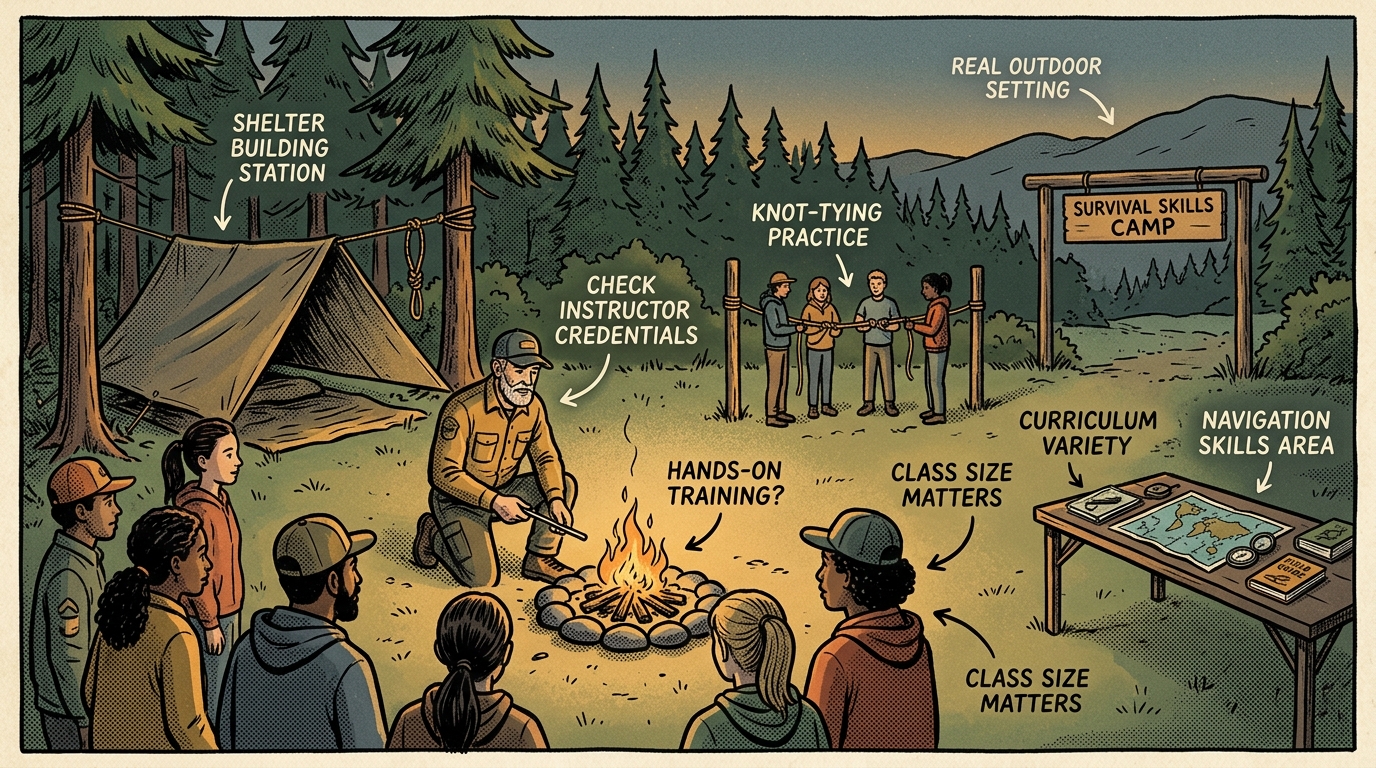
Survival Skills Camp: How to Choose the Right One
Choosing a survival skills camp? A Wilderness First Responder breaks down what to look for, red flags to avoid, and what real training teaches you.
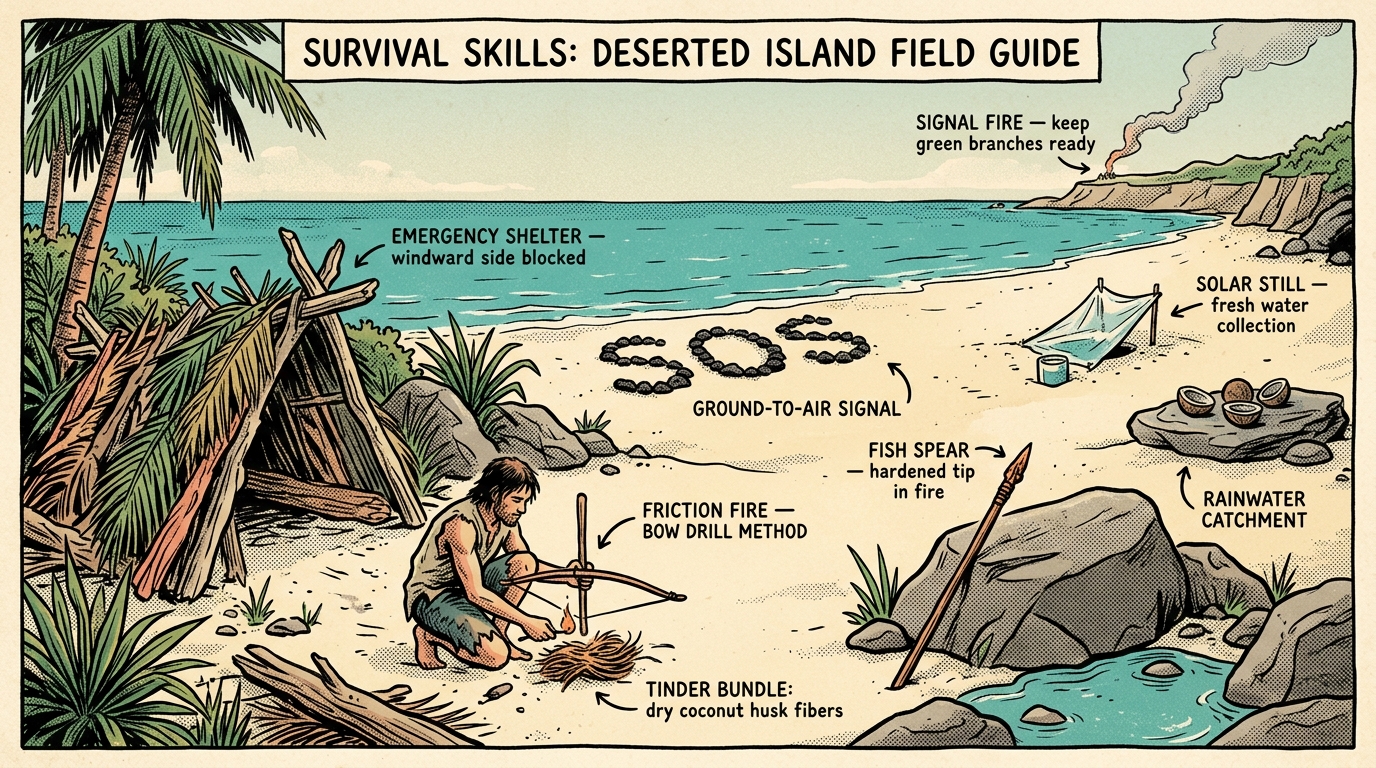
Survival Skills on a Deserted Island: Field Guide
Master survival skills on a deserted island — water, shelter, fire, food, and rescue signaling from a WFR with 12+ years of field experience. Start learning now.
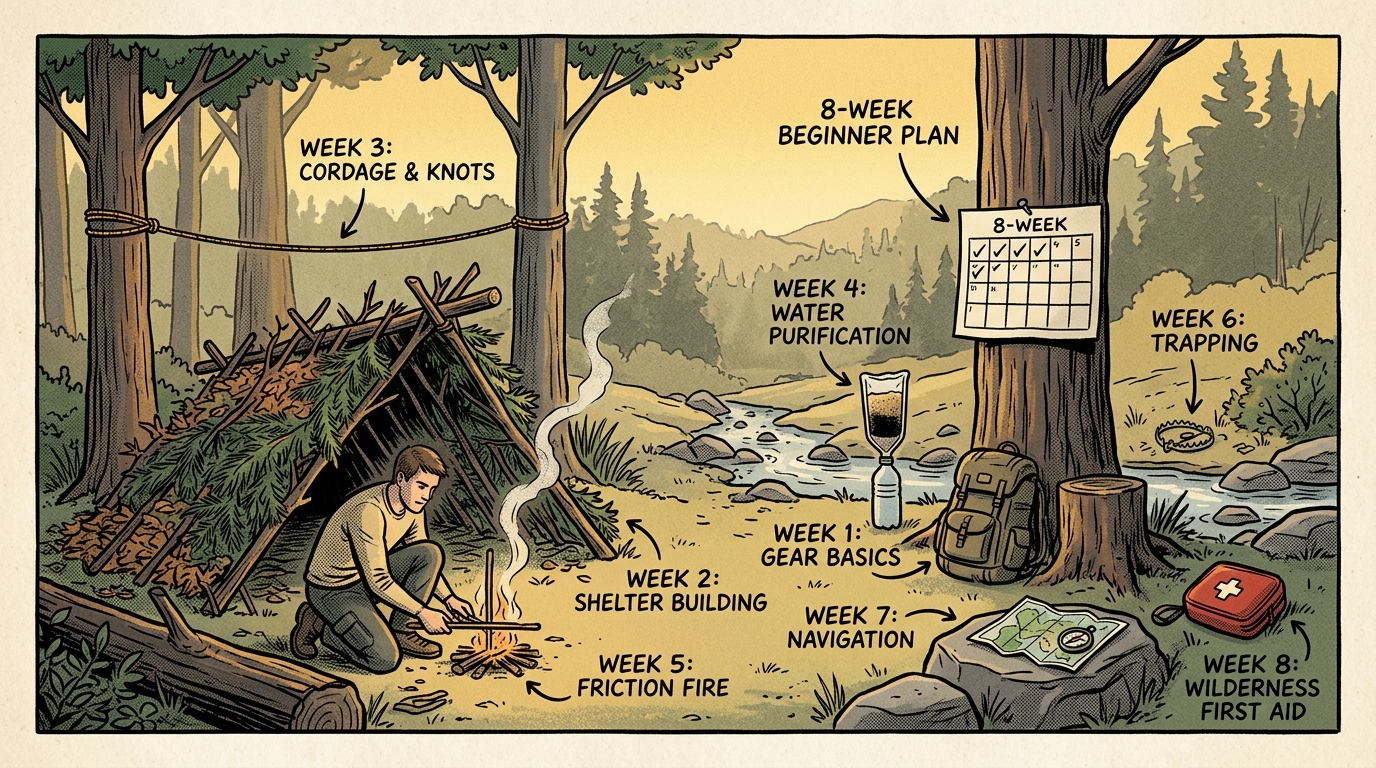
Survival Skills Training: 8-Week Plan for Beginners
Follow this 8-week survival skills training plan to master shelter, fire, water, navigation & first aid. Built by a FEMA-trained WFR. Start this weekend.