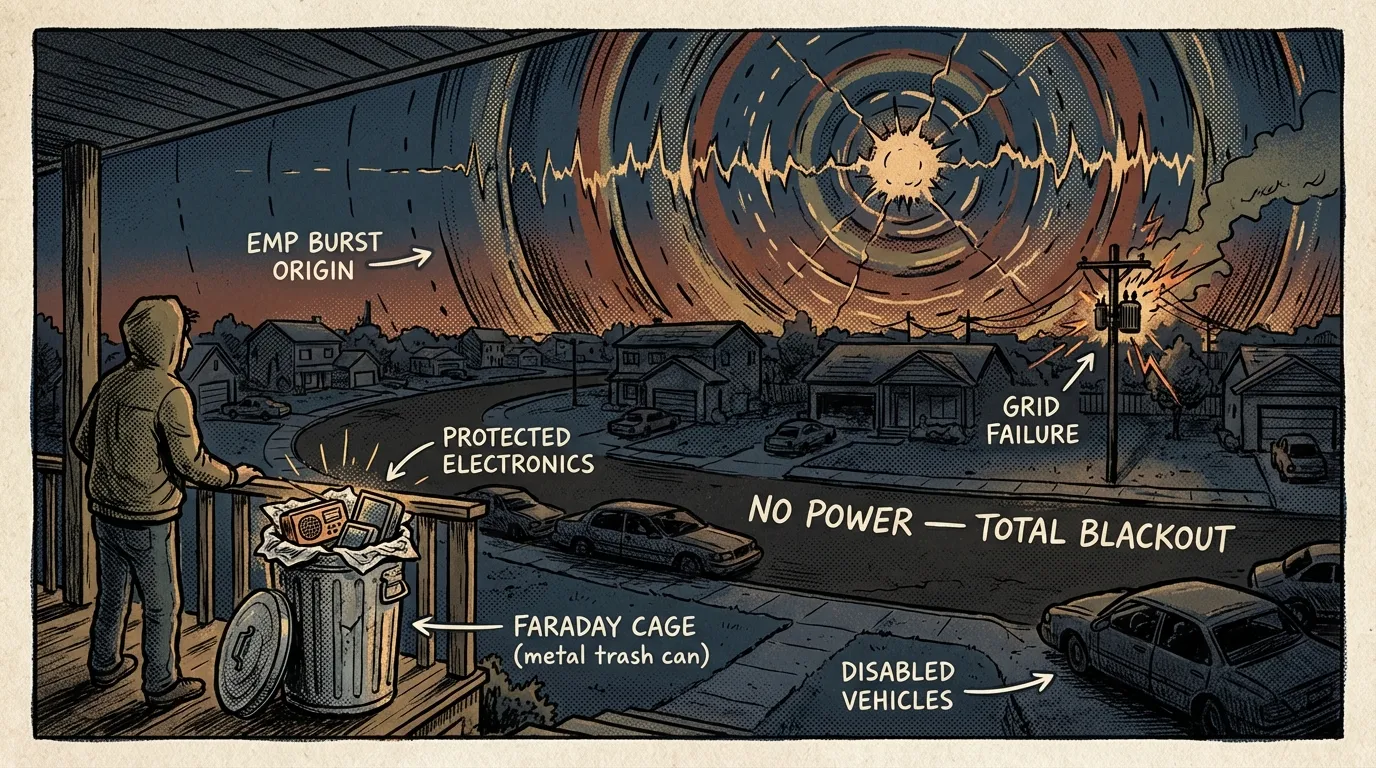
An electromagnetic pulse, or EMP, is a burst of electromagnetic energy that can disrupt or damage electronics and electrical infrastructure. To prepare, focus on basic emergency readiness like water, food, backup lighting, and communications, then add EMP-specific protection such as Faraday storage for critical small electronics.
Key Takeaways
- Store at least two weeks of water and food, targeting 1 gallon per person per day.
- Protect 1 to 3 unpowered critical devices in a tested, sealed, insulated Faraday bag or box.
- Keep a battery-powered or hand-crank NOAA emergency radio with spare batteries readily accessible.
- Maintain prescription medications and a stocked first-aid kit before any emergency occurs.
- Join a local amateur radio club to gain licensed, hands-on communications training and practice.
EMP Preparedness Tips: How to Prepare for an Electromagnetic Pulse
Quick take: Focus on the essentials: water, food, medications, sanitation. Keep communications options like a battery or hand-crank radio. Protect a very small set of critical, unpowered electronics in tested Faraday containers. Practice practical skills such as first aid, water purification, and radio operation. Many EMP preparedness tips also apply to extended power outages from storms.
Action summary
- Do now: stock basic supplies for two weeks, secure necessary medications, keep a battery or hand-crank radio and spare batteries, protect 1 to 3 essential small devices in a tested Faraday bag or box, and make a family plan.
- Why: EMPs can interrupt electronics and the power grid. Simple preparedness reduces hardship.
- What to expect: Effects vary with event type, distance from the source, device construction, grounding, and attachment to long conductors such as power lines or antennas.
Definitions
- Electromagnetic pulse (EMP): a short, intense burst of electromagnetic energy that can induce damaging voltages and currents in conductors and electronics.
- HEMP (high-altitude EMP): results from a high-altitude nuclear detonation. It has three components with different timing and effects.
- CME / solar storm: solar eruptions that create geomagnetically induced currents. Those currents stress long conductors and transformers over minutes to hours.
- Faraday shielding: a continuous conductive enclosure that blocks external electric fields when built and sealed correctly.
Why these EMP preparedness tips matter
EMPs, whether natural or man-made, can cut power, sever communications, and disrupt supply chains. Household impacts include power outages, loss of refrigeration, and limited fuel deliveries. Preparing for those practical consequences improves comfort and safety without large expense.
How EMPs work, briefly
- EMPs induce voltages in conductors. Long conductive paths such as transmission lines, antenna cables, and vehicle wiring act like antennas.
- HEMP components:
- E1: extremely fast, measured in nanoseconds, can damage microelectronics.
- E2: intermediate, behaves like lightning and is often mitigated by standard lightning protection.
- E3: very slow, over seconds to minutes, similar to a geomagnetic disturbance and threatening large transformers.
- CMEs mainly produce geomagnetically induced currents that stress grid equipment rather than instantly frying microchips.
Likely impacts (practical list)
- Damage to large transformers and substation equipment that can leave areas without power for weeks or longer.
- Disruption of telecommunications and backbone internet equipment.
- Cell towers and local wireless infrastructure outages.
- Some modern vehicles may fail or have degraded performance; susceptibility varies by make and model.
- Home appliances and consumer electronics can be damaged, especially when connected to long wiring.
- Medical devices that rely on electricity or sensitive electronics may stop working.
- Banking and payment processing systems can be interrupted.
- Water treatment and fuel distribution systems can lose functionality.
Not every device will fail. Outcomes vary with many technical factors.
EMP preparedness tips: prioritized, actionable steps
These steps apply to EMPs and most extended outages.
- Cover the basics first
- Store several days to two weeks of water and shelf-stable food. Aim for about 1 gallon per person per day for drinking and basic sanitation.
- Keep a current first-aid kit and maintain an adequate supply of prescription medications.
- Maintain sanitation and hygiene supplies to avoid illness when services are slow to return.
- Keep some cash in small bills and printed copies of IDs, medical information, and emergency contacts.
- Protect a few critical small electronics
- Pick one to three devices to preserve, such as an emergency radio, a headlamp, and a spare power bank.
- Use properly constructed Faraday containers: a continuous conductive enclosure with no gaps and an insulating layer between the device and the conductive lining.
- Do not store devices while they are plugged into chargers or external wires.
- Test or buy products with verified performance whenever possible.
- Maintain backup communications
- Keep a battery-powered or hand-crank NOAA/emergency radio for alerts.
- Join a local amateur radio group for licensing, training, and practice. Hands-on training speeds up learning.
- Store spare batteries and small off-grid charging options like portable solar panels or hand-crank chargers.
- Reduce dependence on the grid
- Learn off-grid cooking and lighting: camp stoves with proper ventilation, a small propane setup, or a safe wood stove.
- Keep manual tools: a manual can opener, hand water filters, and non-electric alternatives for basic tasks.
- Print maps and lists of local resources. Know where to go if utilities fail.
- Transportation: practical steps
- Keep vehicles well maintained and at safe fuel levels. If you store fuel, follow fire-safe storage practices.
- Consider a bicycle or other human-powered transport for short trips.
- Understand that vehicle susceptibility to EMPs varies by model, year, and wiring configuration.
- Build durable skills
- Practice water purification, first aid, radio operation, food preservation, and basic mechanical repairs.
- Run drills and refreshers. Skills outlast gear.
- Make and practice a family plan
- Set meeting locations and alternate communication methods.
- Plan specifically for children, elderly relatives, and pets.
- Keep printed emergency contacts and copies of important documents in an easy-to-reach place.
Protecting electronics, grounding, and realistic expectations
- Proper Faraday shielding can protect small, unpowered devices when the enclosure is continuous, sealed, and insulated internally.
- Common surge protectors and UPS units help against typical spikes and outages. They are not designed to stop a fast E1 pulse or to protect grid-scale transformers from slow geomagnetic currents.
- Grid-scale hardening, such as transformer upgrades and utility protections, is a utility responsibility and usually beyond individual budgets. Individuals can increase household resilience but cannot replace utility-level measures.
Common myths
- “An EMP will instantly destroy every electronic device.” False. Effects vary widely.
- “Only nuclear weapons cause EMPs.” False. Solar storms can also disrupt power systems.
- “You must buy exotic gear.” False. Basic preparedness covers most consequences. Targeted protection is optional.
- “If my phone works, everything is fine.” False. A single working device does not restore system-level services.
Starter EMP survival kit
- Two weeks of water and shelf-stable food
- First-aid kit and required medications
- Flashlights or headlamps and spare batteries
- Battery-powered or hand-crank NOAA/emergency radio
- Cash in small bills, printed contacts, and local maps
- Manual tools: can opener, multi-tool, basic hand tools
- One tested Faraday bag or metal-lined box containing a backup radio, spare flashlight, and an unplugged power bank
- Sanitation supplies and weather-appropriate clothing
Optional items: ham radio kit, small solar panels with protected controllers, bicycle, and garden seeds.
Resources and authoritative organizations
- NOAA Space Weather Prediction Center (SWPC)
- FEMA emergency preparedness guidance
- NERC grid resilience reports
- U.S. EMP Commission reports and peer-reviewed technical literature
- Local amateur radio clubs for practical training
FAQ
Q: Could an EMP affect my car? A: Possibly. Modern vehicles include sensitive electronics. Outcomes depend on event strength and vehicle design.
Q: Is a solar flare the same as a nuclear EMP? A: No. Solar storms cause slow geomagnetic effects. Nuclear HEMPs include a fast E1 component that can damage microelectronics.
Q: Do I need a Faraday cage? A: You do not need a large cage for most households. Protect a few critical, unpowered devices in properly made Faraday bags or metal-lined boxes.
Q: Is EMP preparedness worth it if the risk seems low? A: Yes, when steps are proportional. Many EMP preparedness tips overlap with general emergency readiness, which pays off for storms and extended outages as well.
Practical, proportional preparedness
Start with basics: water, food, and medications. Protect a very small number of critical devices if you want to. Improve communications and practical skills. Coordinate with neighbors and local resources. Preparedness reduces stress and improves outcomes during prolonged interruptions.
Further reading
- Becoming a Prepper: The Beginner’s Guide to Survival Readiness
- Water, Water Everywhere: How to Store H2O Without Losing Your Sanity
- Canned Goods and Other Edibles: Your First Steps to Stockpiling Food
Notes on uncertainties
- Vehicle susceptibility to EMPs is not fully documented in public testing. Effects likely vary by model and year.
- Faraday products differ in performance across frequencies and construction. Verify before relying on a product.
- Many grid protections depend on utilities and national infrastructure. Individuals can increase household resilience but cannot substitute for utility-scale measures.
Keyword focus: EMP preparedness tips
The Complete
Prepper's Reference.
149 articles synthesized into one comprehensive PDF — twelve chapters covering water, food, shelter, first aid, comms, and scenario-specific preparedness. Free with your email.
Unsubscribe anytime · We never share your email
You're in. Check your inbox.
Keep Reading
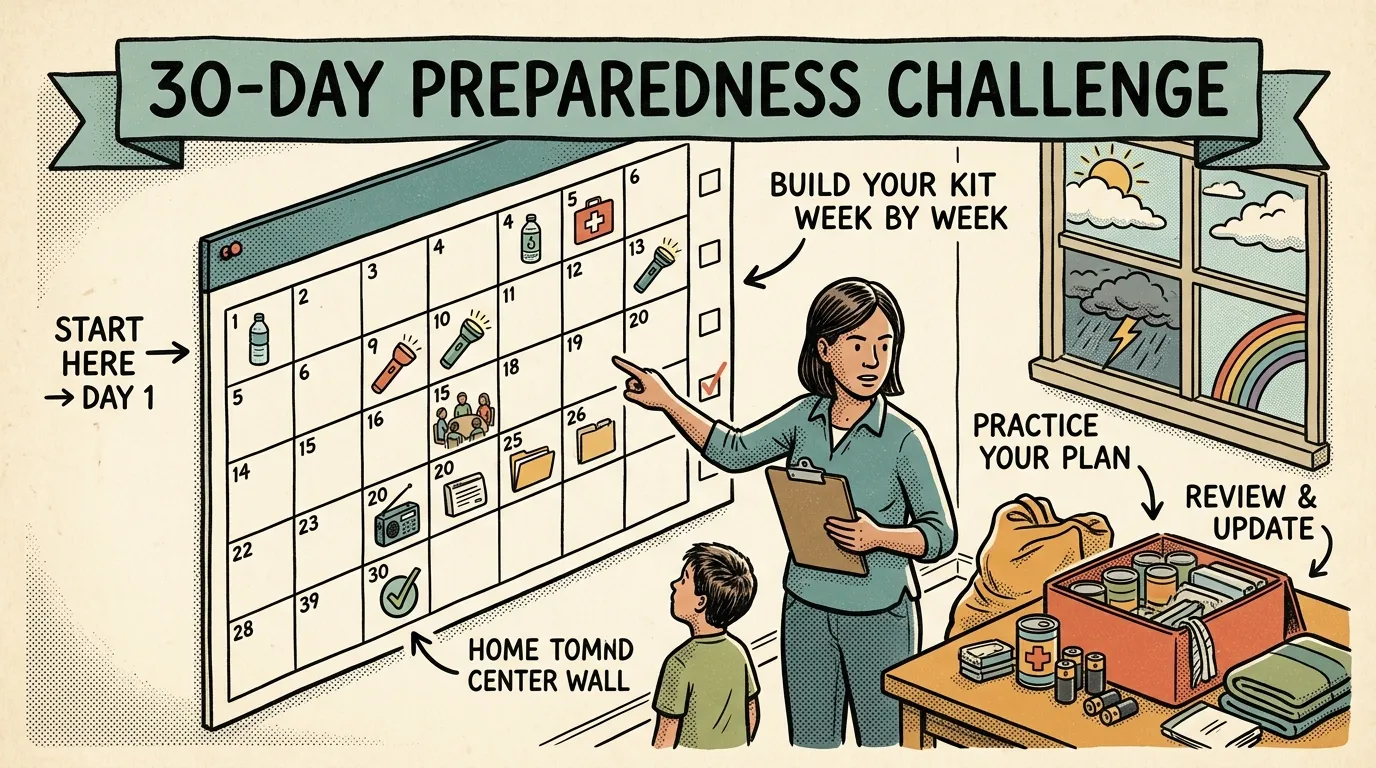
National Emergency Preparedness Month: 30-Day Plan
Use this 30-day National Emergency Preparedness Month challenge to go from unprepared to fully ready. One simple 15-minute task per day. Start now.
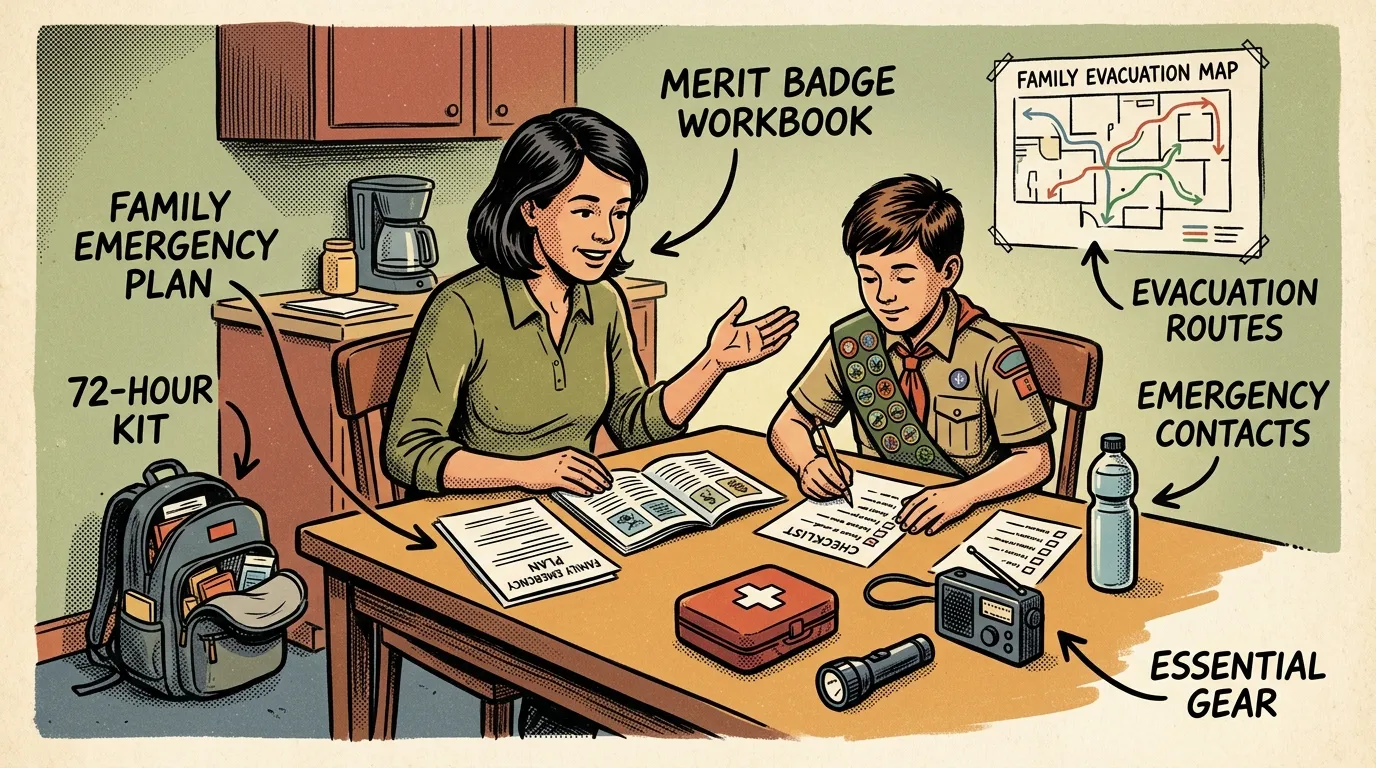
Emergency Preparedness Merit Badge: A Parent's Guide
Use the Emergency Preparedness merit badge framework to teach your kids real survival skills at home. Step-by-step activities for each requirement.
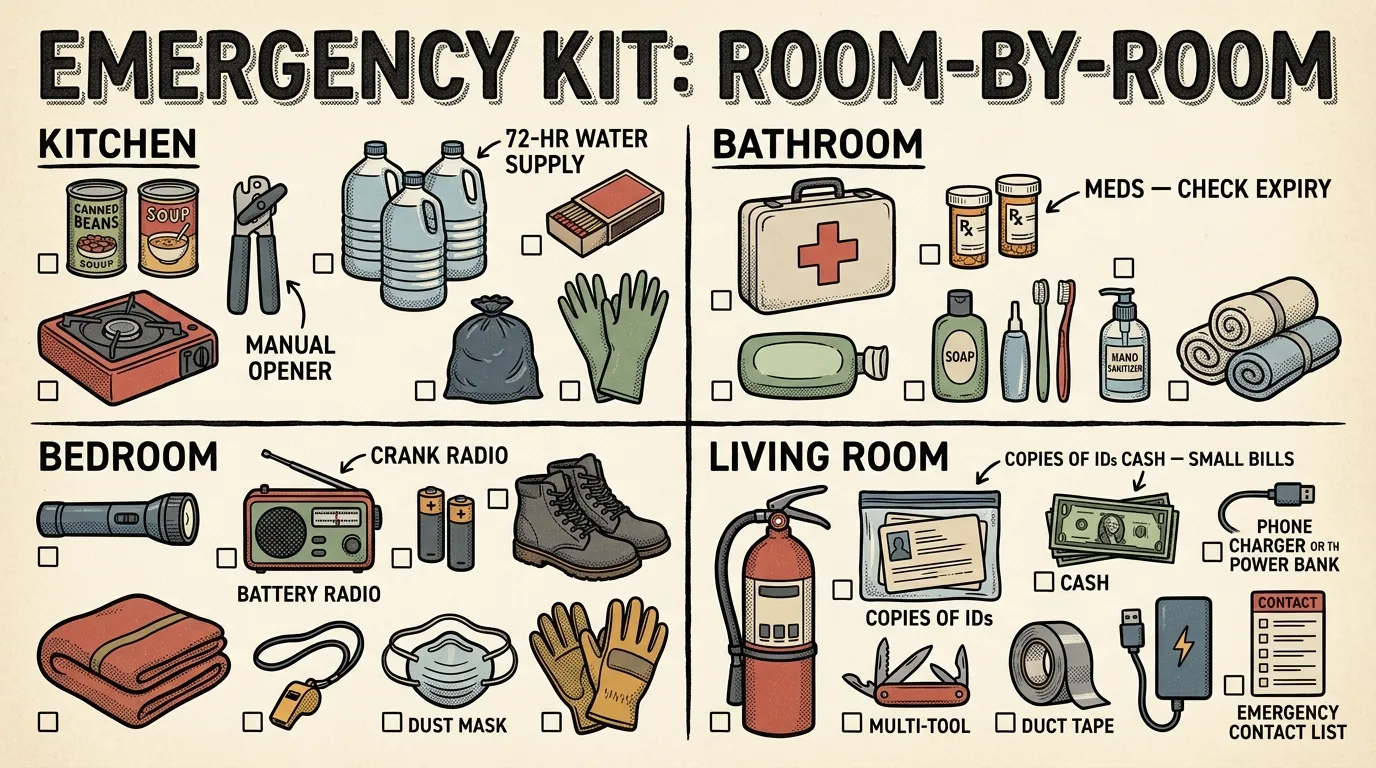
Emergency Preparedness Kit: Room-by-Room Home Guide
Build your emergency preparedness kit room by room for 14-day shelter-in-place readiness. Budget-friendly system. Start tonight.