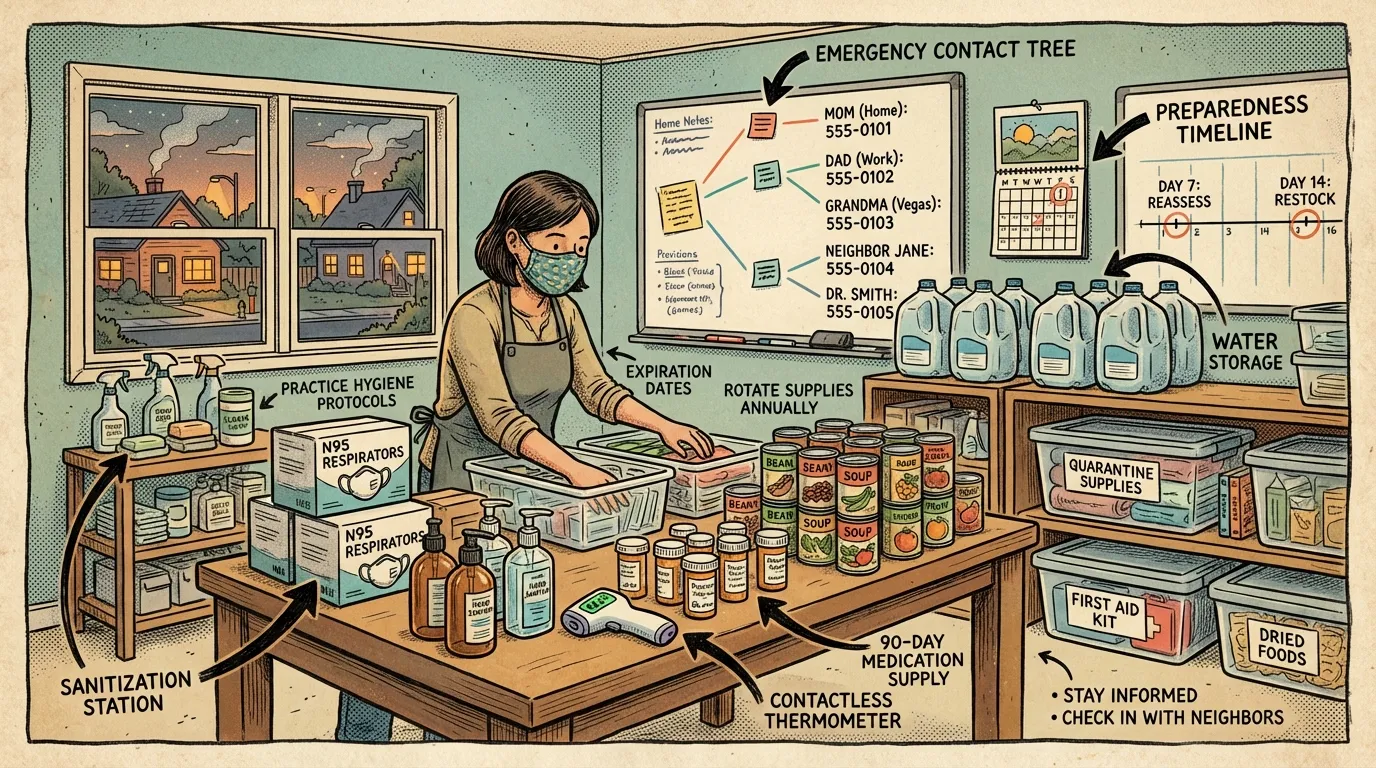
New preppers can prepare for future pandemics by building a practical supply of food, water, medications, hygiene items, and protective gear, while also creating a stay-home plan and relying on trusted information sources. Past pandemics show that early preparation, supply chain awareness, financial resilience, and mental health support are key to handling outbreaks effectively.
Key Takeaways
- Build a two-week kit covering food, water, medications, hygiene supplies, and quality masks.
- Store roughly 1 gallon of water per person per day for drinking and basic hygiene.
- Stock hand sanitizer containing at least 60% alcohol alongside soap and surface disinfectants.
- Review and rotate your emergency supplies on a monthly or quarterly schedule to prevent expiration.
- Bookmark CDC, WHO, and your local health department as your only trusted pandemic information sources.
Prepping for Pandemics: Beginner’s Guide: Lessons Learned and Practical Strategies
TL;DR
- Prepping for pandemics means planning health, supplies, finances, and reliable information so you can stay home and maintain daily life during outbreaks.
- Start with a practical two-week kit (food, water, meds, hygiene, masks), a one-page stay-home plan, and a short list of trusted health sources.
- Avoid panic buying and unverified remedies.
Focus areas
Health and hygiene, food and water, home continuity, finances, and reliable information. Use the compact checklist below to start this week. For situational details, consult public-health authorities.
Definitions
- Pandemic preparedness: household actions to reduce infection risk and maintain essentials during large outbreaks.
- Two-week kit: a modest, rotating stock of supplies to cover an initial 14-day shelter-in-place period.
- Buffer (stock buffer): a short, rotating reserve of critical items like medications, measured in weeks to a few months.
- Supply-chain failure: when normal availability of goods is disrupted by demand, transport, labor, or policy changes.
Why prepping for pandemics matters
Prepared households reduce avoidable stress and keep basic services running when systems strain. Simple plans keep people healthier and make decisions faster. Check CDC, WHO, and local public health departments for authoritative guidance.
Key takeaways
- Treat pandemic risk as recurring. Build repeatable routines: rotate supplies monthly, review roles quarterly.
- Keep modest, rotating buffers instead of one-off stockpiles.
- Use a short list of trusted health sources and talk with your healthcare provider for personal medical decisions.
- Write down roles, routines, and supplies. Practice basic inventory habits.
Lessons learned
- Pandemics recur. Invest in systems, not single purchases.
- Supply chains can fail quickly. Keep a modest rotating buffer and identify local suppliers and delivery options.
- Reliable information prevents harm. Bookmark a few trusted sources and check them on a schedule.
- One-page household plans cut friction during stress.
- Mental resilience matters. Plan routines, social connection, and a few small morale items.
Strategic preparedness layers
Approach prepping in layers. Keep items limited, usable, and rotated.
Layer 1: Health and hygiene
- Soap, hand sanitizer with at least 60% alcohol, surface disinfectant, tissues, trash bags, and a thermometer.
- A few well-fitting masks (N95 or KN95, or current local recommendation) and written instructions for correct use.
- Prescription buffer. Ask your provider or pharmacist about early refills and mail-order options.
- Stay current with routine vaccines and boosters recommended for your age and health status.
Layer 2: Food and water
- Start with a two-week supply of familiar, shelf-stable foods. Expand to a month when feasible. Examples: canned proteins, rice, pasta, nut butter, ready-to-eat meals your household likes.
- Water baseline: roughly 1 gallon per person per day for drinking and basic hygiene. Adjust for climate, children, and pets.
- Rotate oldest items first and mark purchase or best-by dates.
Layer 3: Home continuity and caregiving
- Designate an isolation area and routines for cleaning, trash handling, and caregiving.
- Identify telehealth providers and pharmacy delivery services in advance.
- Prepare remote-work and remote-school basics: chargers, reliable internet options, a few offline activities, and quiet spaces.
Layer 4: Financial readiness
- Keep an emergency fund and a small cash reserve for short-term outages.
- Review insurance details, prescription coverage, and employer sick-leave policies.
- Automate bills when practical and track due dates so you can focus on health if needed.
Layer 5: Information discipline
- Limit your sources to a short list: CDC, WHO, state and local health departments, and your clinician.
- Follow official guidance on testing, isolation, and vaccination rather than social media claims.
Practical kits and inventory checklist
Two-week kit (example)
- Water: stored drinking water, about 1 gallon per person per day.
- Food: 14 days of familiar, shelf-stable items (canned goods, rice, pasta, nut butters).
- Medications: two-week supply plus a refill plan. Extend supply if your clinician recommends it.
- Hygiene: soap, hand sanitizer (60% alcohol or more), disinfectant wipes, tissues, trash bags.
- PPE: quality masks, a thermometer.
- Household: toilet paper, laundry detergent, pet food, spare batteries, device chargers.
Inventory habits
- Use a simple spreadsheet or checklist app.
- Track item, quantity, purchase date, expiration, and storage location.
- Review and rotate supplies monthly or quarterly.
Common mistakes to avoid
- Panic buying instead of steady, planned purchases.
- Prioritizing gear over systems. Know how to use items and where they are stored.
- Neglecting water and prescription continuity.
- Buying foods your household will not eat.
- Trusting unverified remedies. Rely on public-health agencies and clinicians.
Use humor and routine to build compliance
- Label backup snacks as “morale rations.”
- Turn inventory into a family challenge with a small reward.
- Celebrate small preparedness wins to build habit.
FAQ
Q: How much food should I prep initially?
A: Start with two weeks of familiar food. Increase to a month when you can.
Q: What is the most important prep item?
A: No single item. Prioritize water, medications, hygiene supplies, and reliable information.
Q: Should I buy a lot of protective gear?
A: Buy appropriate, quality gear you know how to use. Don’t buy theater-sized quantities that you won’t wear correctly.
Q: How often should I rotate supplies?
A: Monthly or quarterly checks work for most households.
Q: Are pandemic preps different from general prepping?
A: Yes. Pandemic prep focuses on staying home, infection prevention, medical continuity, and planning for supply disruptions.
Action plan: this week
- Build a two-week kit: food, water, meds, hygiene, masks.
- Create a one-page stay-home plan: isolation area, delivery procedures, emergency contacts, medication plan.
- Bookmark trusted sources: CDC, WHO, your state or local health department, and your primary care provider.
- Start a simple inventory system and set a recurring reminder to review it.
- Add small financial and morale items: an emergency fund, entertainment, and brief exercise plans.
Recommended resources
- CDC pandemic planning pages
- WHO guidance
- American Red Cross preparedness materials
- Johns Hopkins dashboards
- Local public-health advisories
Notes and verification
Check primary sources such as WHO, CDC, and FDA for current counts, mask guidance, and vaccine recommendations. Guidance changes. Verify recommendations before acting.
The best time to prepare is before the next pandemic. Second best: today. Start one practical habit now to improve your readiness for pandemics.
The Complete
Prepper's Reference.
149 articles synthesized into one comprehensive PDF — twelve chapters covering water, food, shelter, first aid, comms, and scenario-specific preparedness. Free with your email.
Unsubscribe anytime · We never share your email
You're in. Check your inbox.
Keep Reading
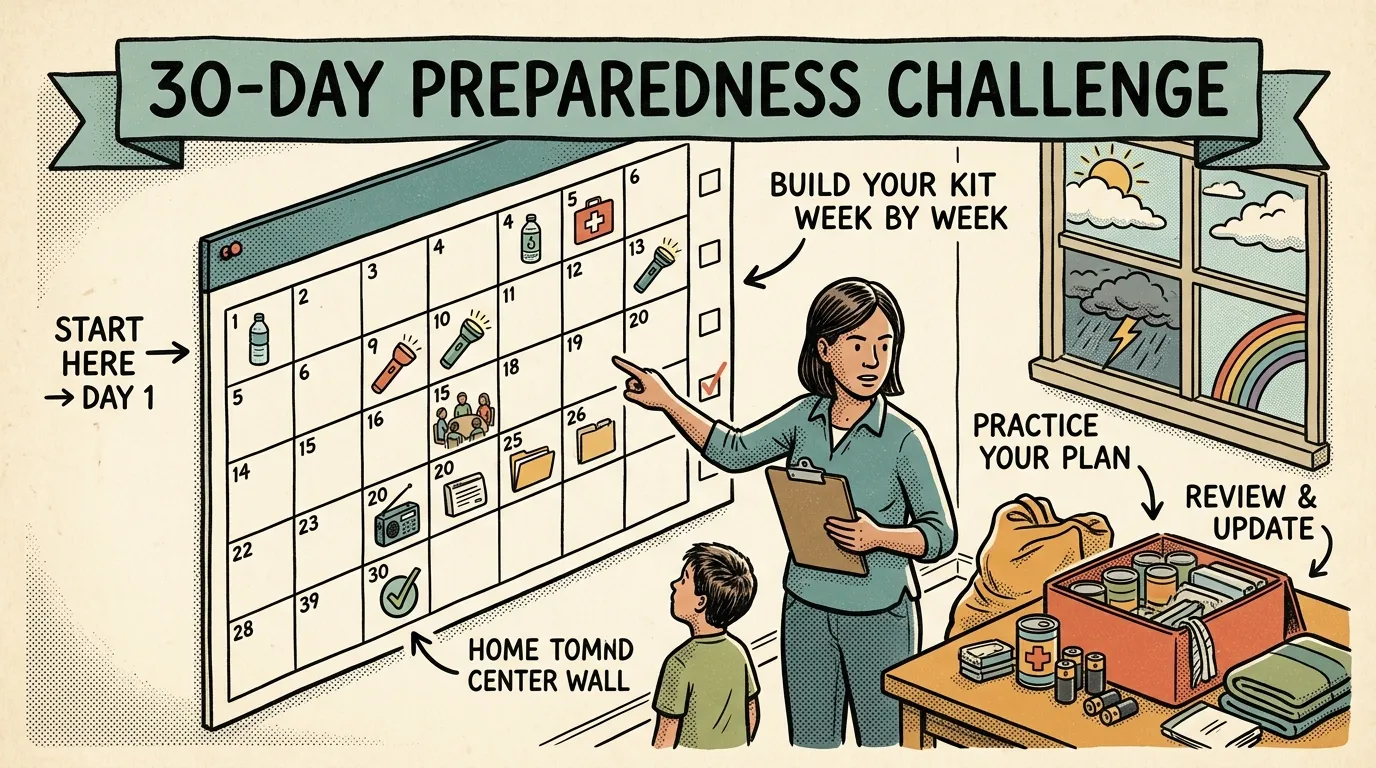
National Emergency Preparedness Month: 30-Day Plan
Use this 30-day National Emergency Preparedness Month challenge to go from unprepared to fully ready. One simple 15-minute task per day. Start now.
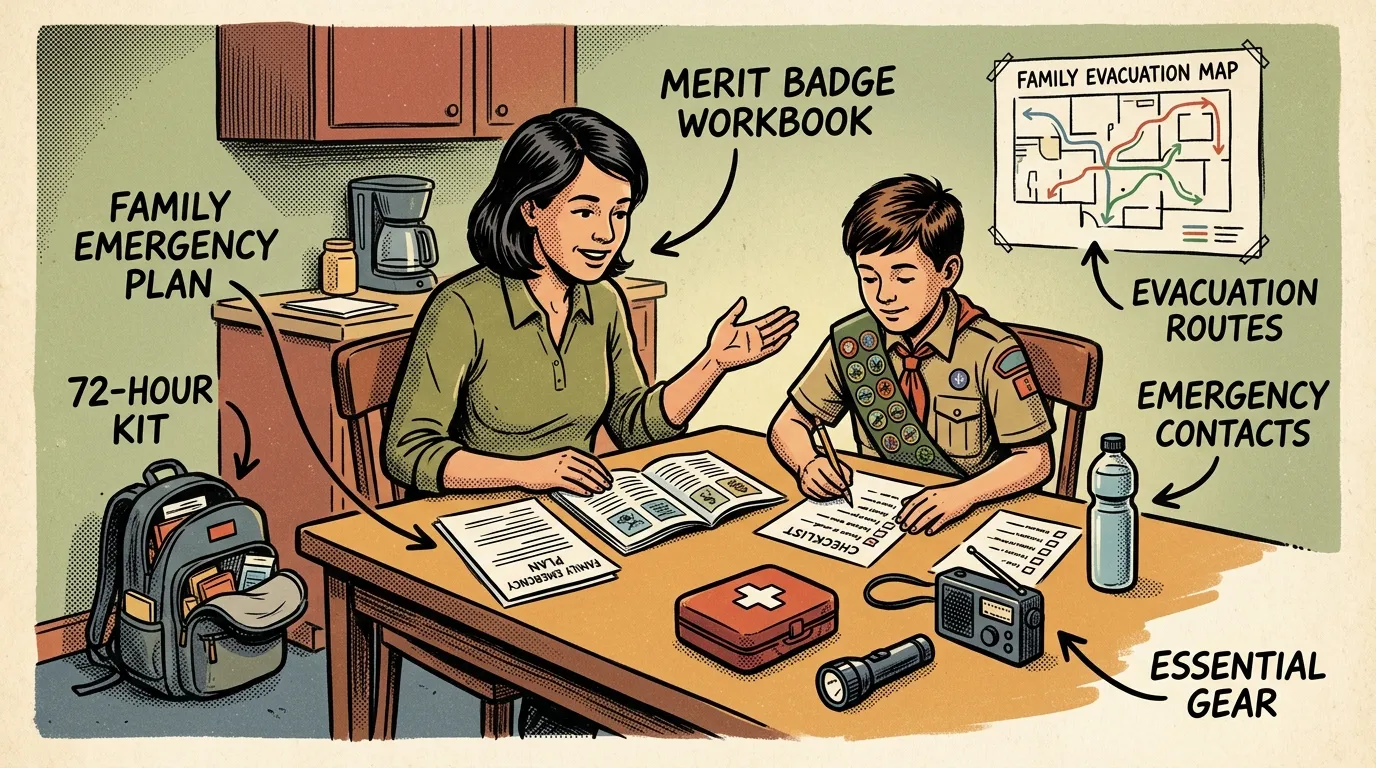
Emergency Preparedness Merit Badge: A Parent's Guide
Use the Emergency Preparedness merit badge framework to teach your kids real survival skills at home. Step-by-step activities for each requirement.
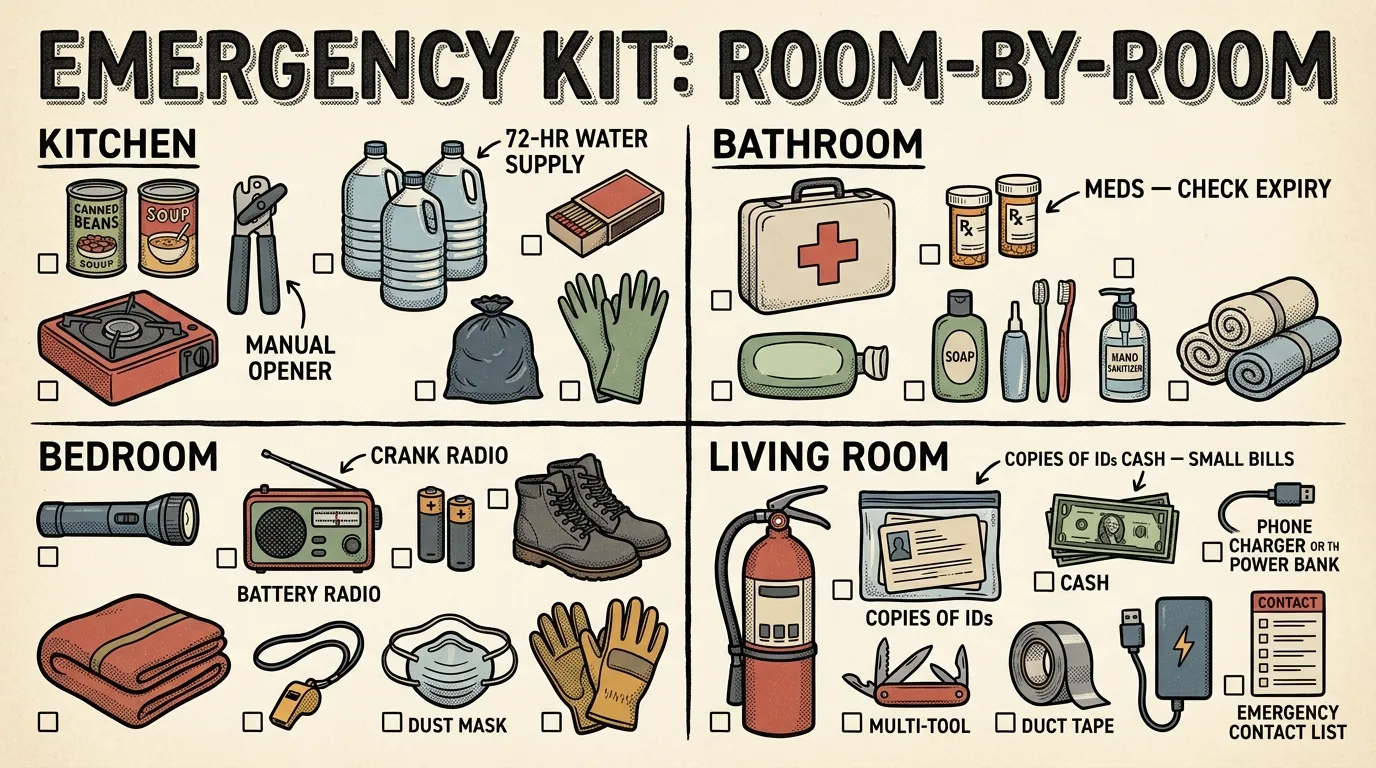
Emergency Preparedness Kit: Room-by-Room Home Guide
Build your emergency preparedness kit room by room for 14-day shelter-in-place readiness. Budget-friendly system. Start tonight.