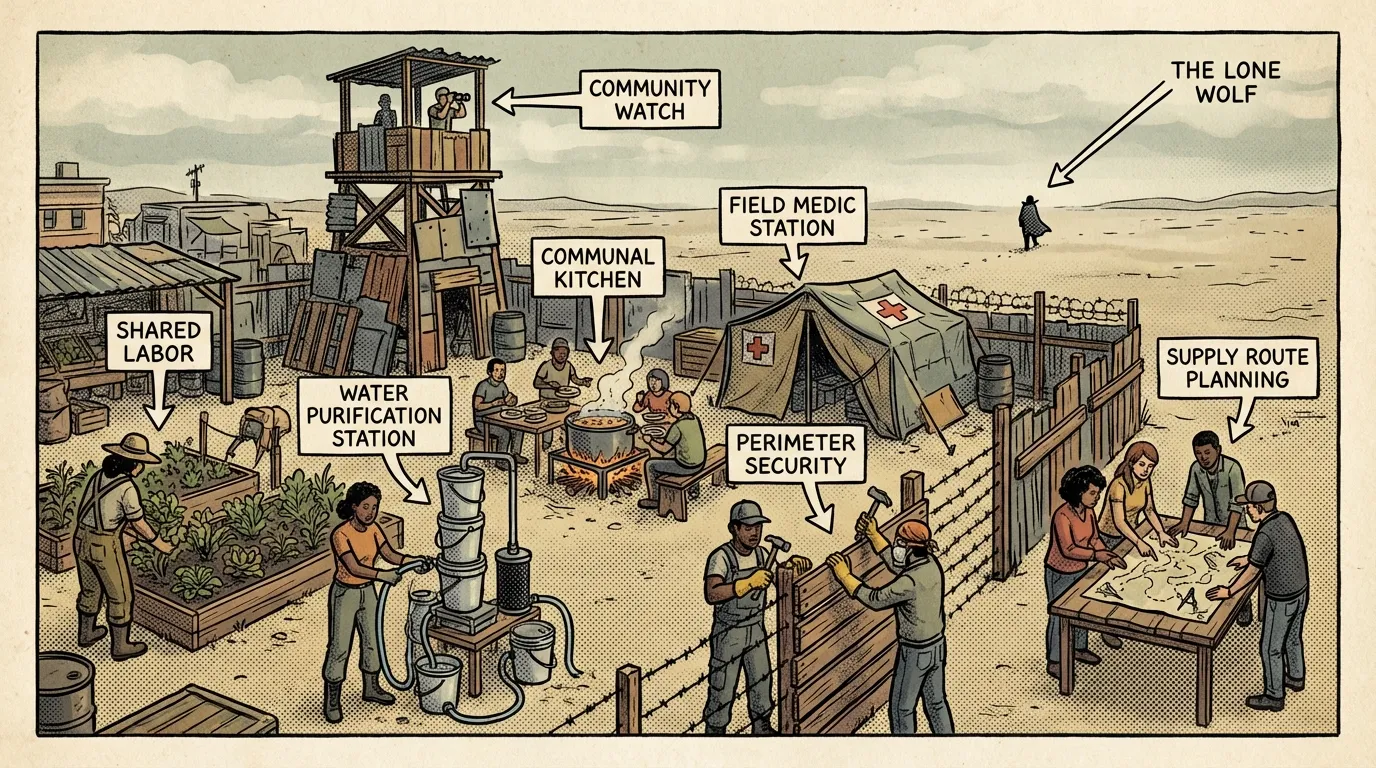
Community is critical in survival situations because it provides shared resources, varied skills, better security, and emotional support that one person cannot sustain alone. New preppers can build a survival community by starting with trusted neighbors, family, and local groups, then creating simple plans for communication, mutual aid, and conflict resolution.
Key Takeaways
- Maintain a 72-hour kit, three days of water, first-aid supplies, documents, and medications per household.
- Create a neighborhood skills-and-assets list covering names, addresses, tools, generators, and training.
- Establish three communication layers: group chat, printed phone tree, and two-way radios with a meeting point.
- Assign five flexible roles—medical, communications, supplies, security, childcare—each with one or two backups.
- Run short drills every month or quarter testing communications, evacuation routes, and water purification.
Community Survival Strategies: Why Lone Wolves Don’t Last
Community survival strategies, including building trusted relationships, sharing skills, and coordinating resources, make individuals and neighborhoods more resilient than solo preparedness. Start small: meet neighbors, define roles, run simple drills, and keep personal supplies as a baseline.
Summary
Community survival strategies are group practices for preparing, responding, and recovering from emergencies. They pair individual readiness, like go-bags and basic supplies, with neighborhood plans: communications, role assignments, simple agreements, and regular drills. The payoff is shared resources, practical skills, better local security, and emotional support.
Key definitions
- Survival community: neighbors, friends, faith or hobby groups, or formal teams who plan and act together in emergencies.
- Mutual aid: voluntary exchange of resources, services, and support among group members.
- CERT: Community Emergency Response Team, a FEMA-supported volunteer training program.
- Ham radio: licensed two-way radio operators and equipment used when other systems fail.
- Go-bag: a prepacked kit with essentials for immediate departure.
At a glance
- Problem: Lone-person plans often fail when a single skill, supply, or piece of equipment is unavailable.
- Core solution: community survival strategies multiply capability and reduce single points of failure.
- First actions: meet neighbors, list skills and assets on a shared sheet, assign a few flexible roles, agree on basic rules for shared supplies, and run a short drill every month or quarter.
Why community survival strategies matter
No single person can carry every skill or resource needed for every emergency. Working together solves real problems.
- Share the load: one house can hold the generator, another stores bulk water, a third preserves medical supplies.
- Combine skills: someone handles first aid, another fixes small engines, a gardener keeps food coming, a licensed radio operator handles off-grid communications.
- Improve security and situational awareness: a neighborhood watch and scheduled check-ins help detect threats faster.
- Reduce stress and mistakes: help from others keeps people calmer and more effective under pressure.
Practical community survival strategies
- Inventory people and assets
- Create a simple list of skills and equipment. Example fields: name, street address, first-aid training, tools, generator, water storage, vehicle with trailer.
- Create simple communications
- Primary: a group chat or text thread.
- Secondary: a phone tree and a printed contact sheet kept by each household.
- Backup: two-way radios and a prearranged meeting point.
- Define flexible roles
- Sample roles: medical lead, communications coordinator, supply manager, security lead, childcare point. Keep one or two backups for each role.
- Make basic group agreements
- Rules on sharing common supplies, rotation schedules for chores, a simple decision process for emergencies, and privacy guidelines for sensitive information.
- Run short, regular drills
- Test communications, walk evacuation routes, refresh first-aid skills, and practice basic water purification.
- Keep a baseline of personal readiness
- Each household should maintain a 72-hour kit, basic first-aid supplies, at least three days of water, important documents, and any needed medications.
- Manage shared resources simply
- Track supplies in a shared log, rotate perishables, label ownership, and spread storage across multiple locations.
Quick starter checklist
- Say hello and introduce the idea to three neighbors. Short conversation. No pressure.
- Exchange phone numbers and emergency contacts.
- Identify one skill you can contribute.
- Schedule a short meet-up to draft a one-page neighborhood plan.
- Agree on one communication method and test it that week.
- Ask two neighbors to join a simple supply rotation.
- Sign up for CERT or a first-aid class together.
Shared resources examples
- Water: shared gravity filters, communal containers, and mapped fresh-water sources.
- Food: a community garden plot, rotating bulk purchases, and a small seed library for staple crops.
- Power: a shared solar panel with battery bank, and a designated generator stored at one house.
- Medical: a kit at a central location, plus a designated medical lead with a backup.
- Communications: ham radios or FRS/GMRS radios and a printed contact roster.
- Security: scheduled watch rotations, agreed perimeter checks, and assigned rally points.
How to build trust and start
Begin with low-pressure actions. Bring over baked goods. Offer to help fix a fence. Host a potluck or an informal info night. Share non-sensitive, practical information first: who can cook, who has tools, who can lift heavy items.
Use existing groups where possible: CERT teams, ham radio clubs, volunteer organizations, neighborhood associations. Set small goals. Celebrate quick wins. Momentum builds fast when people see real results.
Communications, roles, and conflict resolution
- Communications: keep channels redundant and simple. Label them primary, secondary, and tertiary.
- Roles: assign responsibilities, allow cross-cover, and rotate duties when possible.
- Agreements: write down basic rules on sharing, decisions, and conduct.
- Conflict: address issues early and privately, use an agreed mediator, and keep safety and function the priority.
Common pitfalls and fixes
- Trust issues: start with small, verifiable tasks, then scale cooperation.
- Uneven contribution: set minimum expectations and value non-material contributions like time and skills.
- Spoilage or loss: track inventories, rotate stock, and store duplicates in multiple places.
- Leadership struggles: choose calm, competent people and spread accountability.
- Groupthink: invite an outside voice, encourage dissent, and use checklists for critical decisions.
FAQ
Q: Why is community important in survival situations? A: Communities increase available resources, skills, security, and emotional resilience. That improves both immediate response and long-term recovery.
Q: What are effective community survival strategies? A: Build contact networks, assign roles based on real skills, plan mutual aid rules, run drills, and keep resource guidelines transparent.
Q: How can beginners get involved? A: Talk to neighbors, join CERT or a ham-radio club, take a first-aid class, and start with a small project like a shared water filter or a skills list.
Q: Do I still need my own supplies if I have a community? A: Yes. Community plans complement individual preparedness; they do not replace it.
Templates you can copy
Neighborhood contact list fields:
- Name | Address | Phone | Alt phone | Email | Skills | Supplies | Notes
Role assignment template:
- Role | Primary | Backups | Responsibilities | Quick checklist
Shared-supply log fields:
- Item | Location | Quantity | Expiration/rotation | Responsible person
Next steps
Community survival strategies improve practical outcomes in most emergencies. Start by introducing yourself to neighbors, combine individual and group planning, and run a simple drill while stakes are low. Pick one small action this week and follow through.
The Complete
Prepper's Reference.
149 articles synthesized into one comprehensive PDF — twelve chapters covering water, food, shelter, first aid, comms, and scenario-specific preparedness. Free with your email.
Unsubscribe anytime · We never share your email
You're in. Check your inbox.
Keep Reading
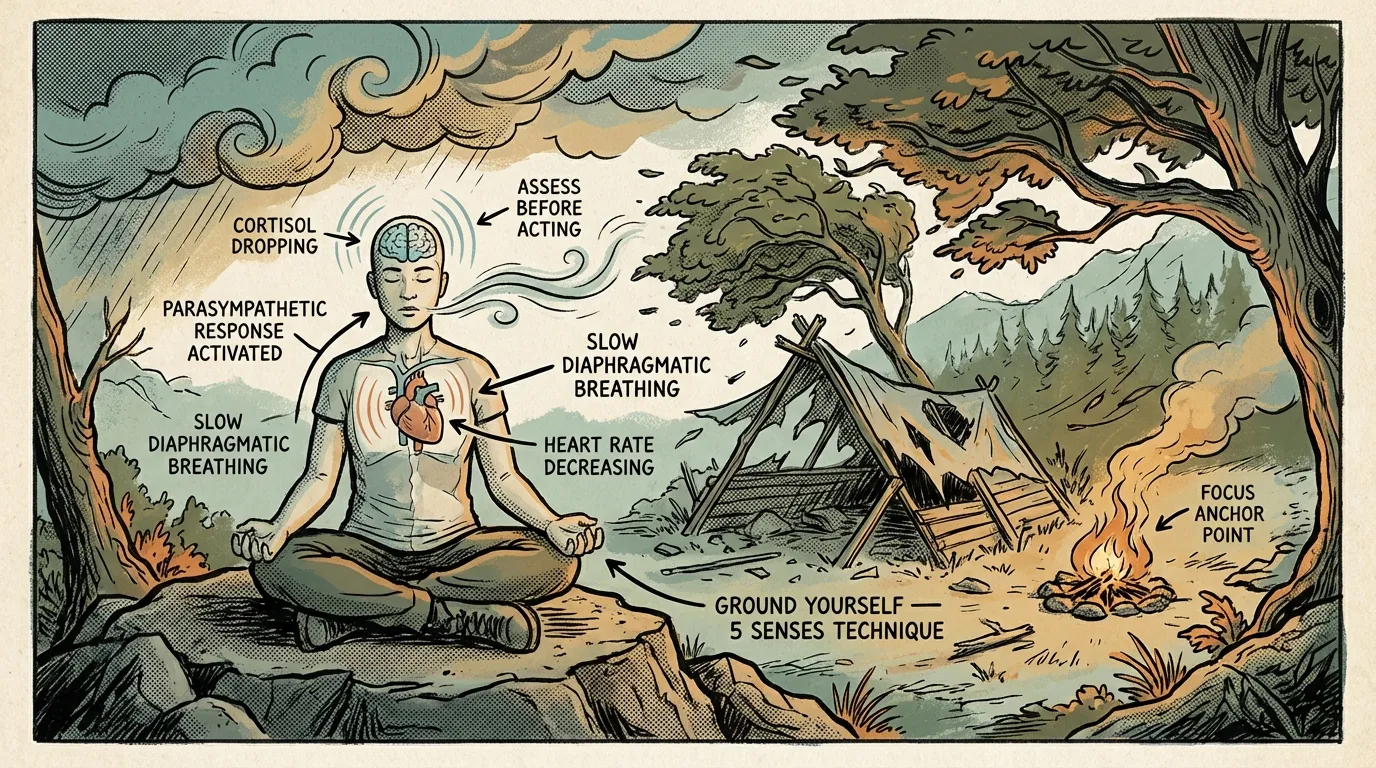
The Science of Staying Calm: Stress Management in Survival Situations
Learn practical stress management techniques for survival situations so you can stay calm, think clearly, and make smarter decisions in an emergency.
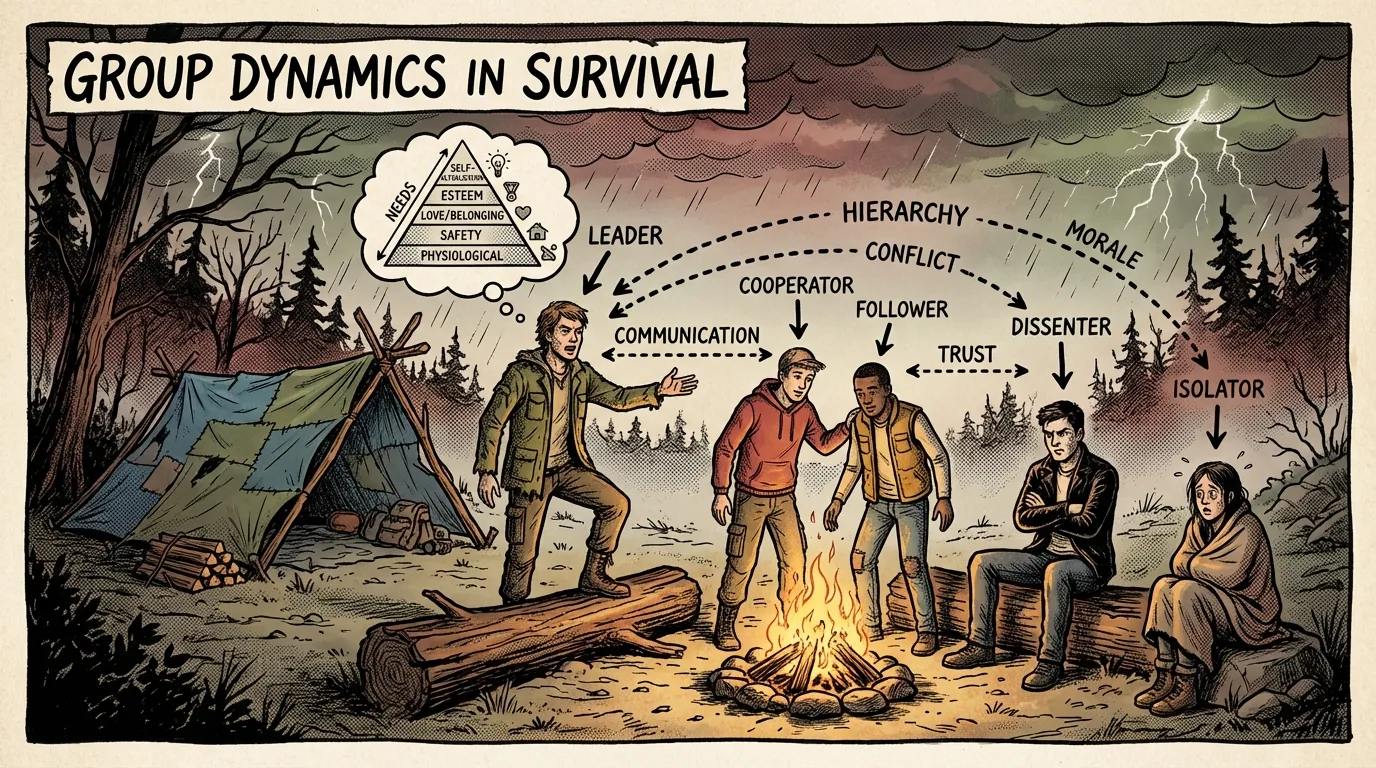
The Role of Psychology in Survival: Understanding Group Dynamics
Learn how survival psychology, communication, leadership, and trust shape group success in emergencies—and how new preppers can prepare now.
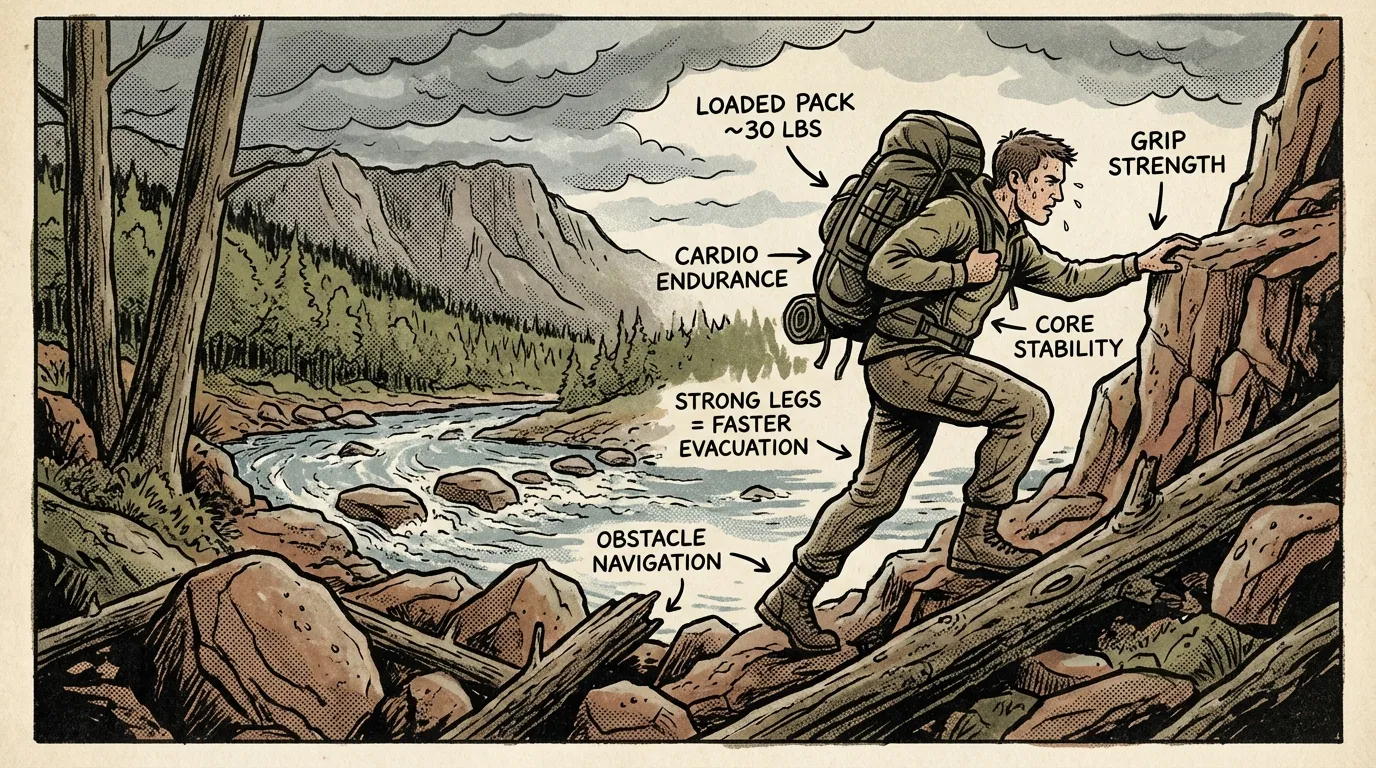
The Importance of Fitness in Survival Situations
Physical fitness boosts strength, endurance, and mobility—giving new preppers a better shot at handling emergencies with confidence.