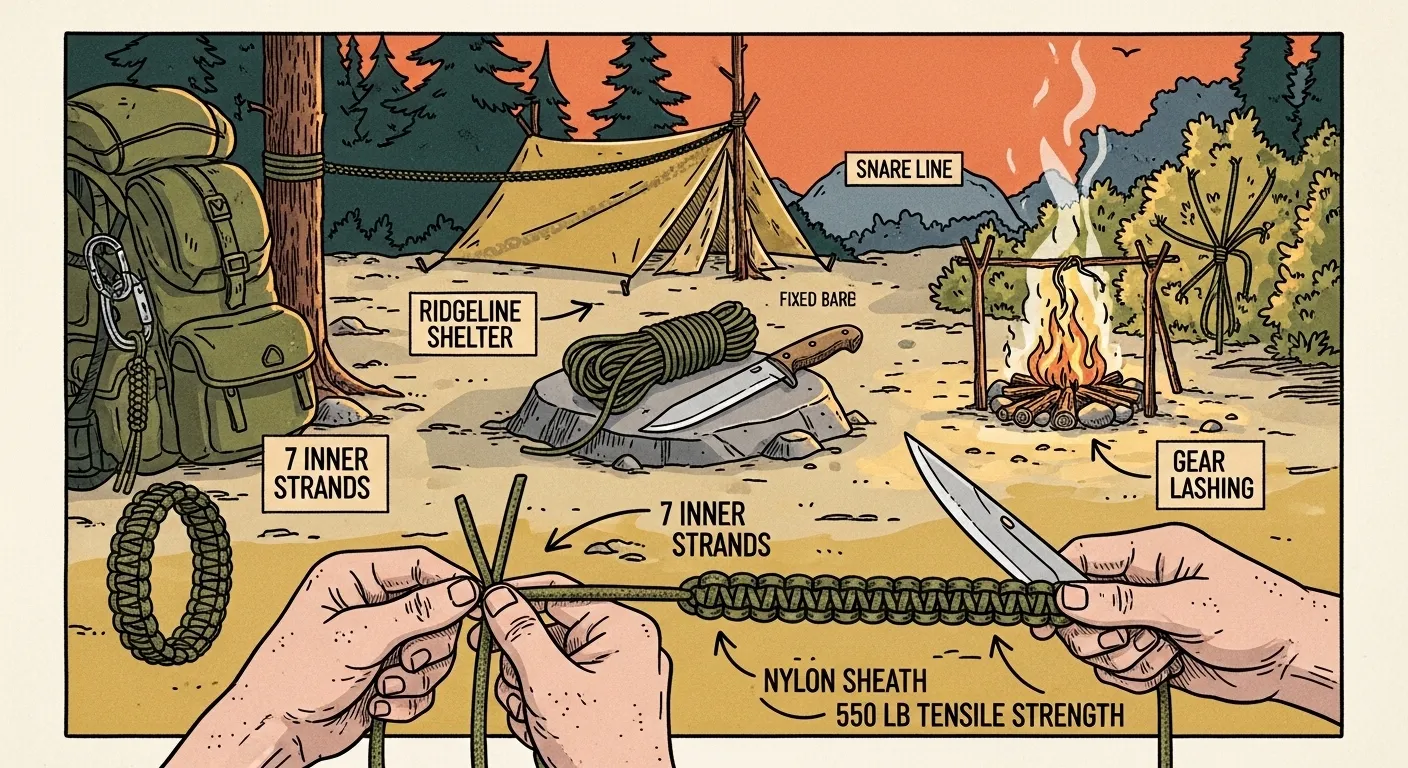
Paracord is a lightweight nylon cord originally made for parachutes, and 550 paracord is prized in survival because it is strong, compact, and highly versatile. New preppers can use it for shelter building, emergency repairs, gear lashing, food hanging, improvised fishing setups, and fine repair work using its inner strands.
Key Takeaways
- Carry 25 ft of Type III 550 paracord minimum; pack 50-100 ft for vehicle or family kits.
- Learn five knots: trucker's hitch, taut-line hitch, bowline, clove hitch, and square knot.
- Extract inner strands by singeing the sheath end, then slide out individual yarns for sewing.
- Hang bear bags using paracord and a proper bear-bag system to secure food in camp.
- Inspect cord regularly and replace any frayed or abraded paracord before trusting it with loads.
Paracord Survival Uses: Practical Shelter, Repairs, and Emergency Hacks
Quick answer
- Paracord survival uses: rig shelters, repair gear, improvise fishing line, lash first-aid splints, and build camp utilities.
- Carry Type III (550) paracord in 25-100 ft lengths depending on your kit. Learn basic knots and how to extract inner strands.
Summary
Paracord is a lightweight, strong nylon cord with a braided outer sheath and removable inner strands. Use it for ridgelines, guy lines, emergency repairs, hanging food, sewing with inner yarns, lashings, and tool attachments. Do not use paracord for certified life-safety or climbing tasks.
What is paracord
- Paracord, short for parachute cord, began as suspension lines for parachutes.
- Type III, commonly called 550 paracord, has a nominal tensile strength around 550 pounds in lab tests.
- Construction: a braided outer sheath with 7-9 removable inner yarns for fine work.
- Limitation: manufacturers do not certify paracord for technical climbing, belaying, or other life-critical suspension uses.
Facts and caveats
- Strength depends on knots, wear, wetness, UV exposure, and manufacturer quality.
- Nylon resists mildew better than natural fibers but still absorbs moisture and degrades with prolonged UV or chemical exposure.
- Inspect cord frequently. Do not trust frayed or abraded cord for load-bearing tasks.
- Trapping or using paracord for snares can be illegal or unethical in many places. Check local laws.
Top paracord survival uses
Shelter and tarping
- Use paracord as a ridgeline for tarps and tarpaulins.
- Set guy lines and tension them with a trucker’s hitch or a taut-line hitch.
- Lash poles to build lean-tos, A-frames, or debris shelters.
Emergency gear repairs
- Replace broken boot laces, zipper pulls, and corded toggles.
- Temporarily repair pack straps, tent seams, and guy lines.
- Unravel inner strands for fine sewing or reattaching webbing loops.
Securing food and equipment
- Hang bear bags or food sacks with a proper bear-bag system.
- Tie down gear, bundle firewood, and secure tools to packs or sleds.
- Use bright cord for visibility or camo colors for low profile.
Improvised fishing and small-game tasks
- Pull out inner strands to use as emergency fishing line. Combine strands to increase strength.
- Tie handlines and attach hooks. Practice knots before you need them.
- Respect legal and humane limits for snares and traps.
First aid and emergency transport
- Fashion slings and splint lashings. In extreme emergencies, paracord can serve as a tourniquet substitute.
- Lash poles together to build a stretcher or improvised drag for short moves.
- Train these techniques in a controlled setting before relying on them in the field.
Camp utilities and tool lashings
- Lash knives or tools to poles to create reach tools.
- Build cooking tripods, drying racks, and hangers for lanterns and pots.
- Wrap handles to improve grip and add wrist loops to prevent drops.
Firecraft and other improvised uses
- Inner braid can work as bow-drill cord with practice and the right technique.
- Use sheath or strands for tying tinder bundles when needed.
How to extract and use inner strands
- Singe the cut end of the outer sheath briefly to reduce fraying. Use caution.
- Split the sheath and slide out inner yarns one at a time.
- Use single yarns for sewing; combine multiple yarns for stronger lines.
What to carry and recommended quantities
- Type: Type III (550) paracord for general preparedness.
- Length: 25 ft minimum for a personal kit; 50-100 ft for a vehicle or family kit.
- Storage: keep cord dry, out of direct sunlight, and inspect periodically for UV or abrasion damage.
Knots and skills to learn
- Trucker’s hitch, for adjustable tension.
- Taut-line hitch, for adjustable tension under load.
- Bowline, to form a secure loop.
- Clove hitch and timber hitch, as lashing anchors.
- Square knot (reef knot), for simple joins.
Safety, legal, and ethical notes
- Do not use paracord for climbing, belaying, or other certified load-bearing tasks.
- Trapping laws vary by location. Follow local regulations and humane practices.
- Replace degraded cordage. Do not rely on damaged paracord for critical tasks.
Recommended gear and learning resources
- A spool or hank of reputable 550 paracord.
- A fid, marlinspike, or small knife for working ends.
- Non-load-bearing carabiners, cord clamps, and a small organizer.
- Knot-tying guides, bushcraft shelter manuals, and first-aid courses.
FAQ
Q: What are the most common paracord survival uses? A: Shelter rigging, gear repairs, lashings, hanging food, emergency fishing or sewing with inner strands, and basic first-aid lashings.
Q: Why is it called 550 paracord? A: “550” refers to the approximate tensile strength in pounds under ideal lab conditions. Knots, wear, and field conditions reduce real-world strength.
Q: Can inner strands be used as fishing line? A: Yes in emergencies. Inner yarns are weaker and rougher than monofilament, so use multiple strands when possible.
Q: How much should I carry? A: Carry 25-100 ft depending on needs. Bring more for larger shelters or group kits.
Practical closing note
Paracord’s combination of low weight, good tensile strength, and removable inner strands solves many camp and emergency problems. Practice knots, strand extraction, and safe use so the tool works when you need it.
[INTERNAL_LINK: Becoming a Prepper: The Beginner’s Guide to Survival Readiness] [INTERNAL_LINK: How to Build a Bug Out Bag: Essentials for a Quick Getaway]
The Complete
Prepper's Reference.
149 articles synthesized into one comprehensive PDF — twelve chapters covering water, food, shelter, first aid, comms, and scenario-specific preparedness. Free with your email.
Unsubscribe anytime · We never share your email
You're in. Check your inbox.
Keep Reading
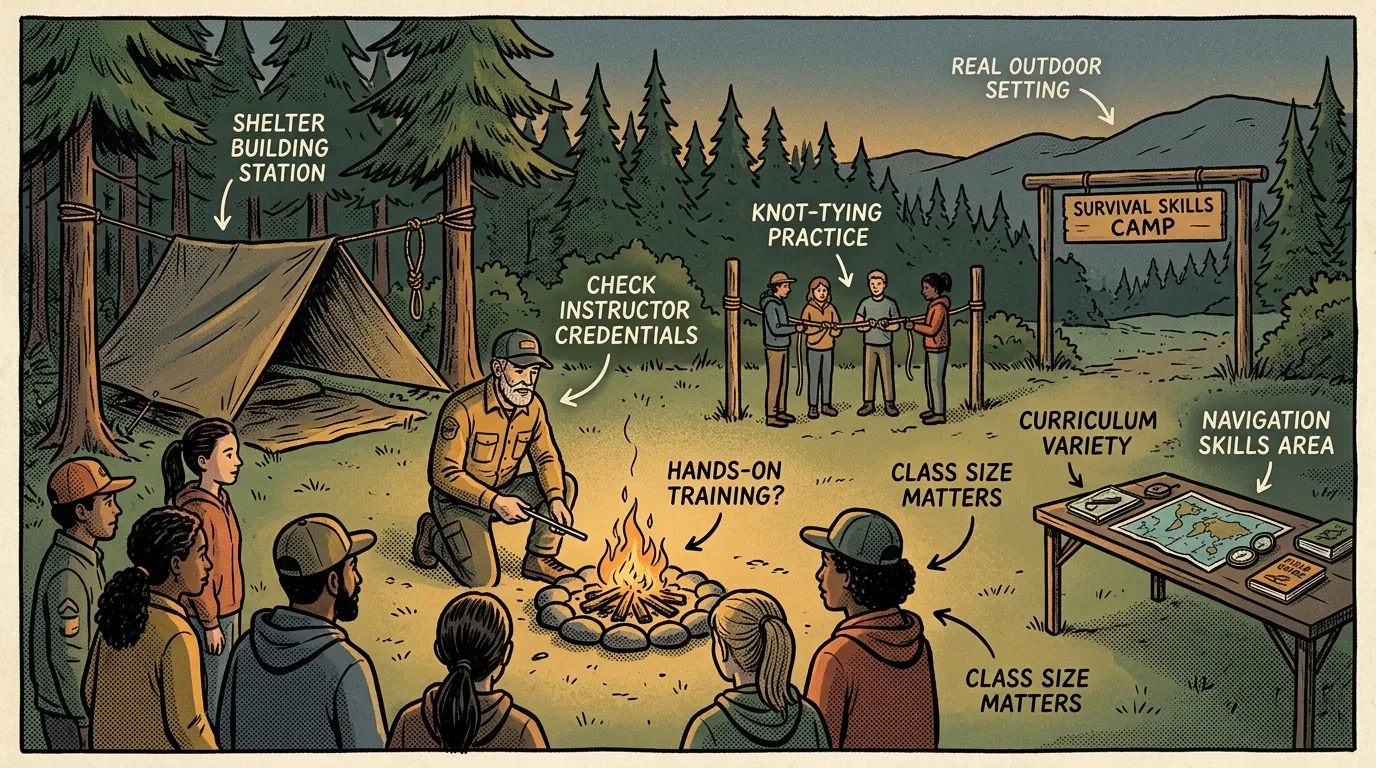
Survival Skills Camp: How to Choose the Right One
Choosing a survival skills camp? Here's what to look for, red flags to avoid, and what real training teaches you.
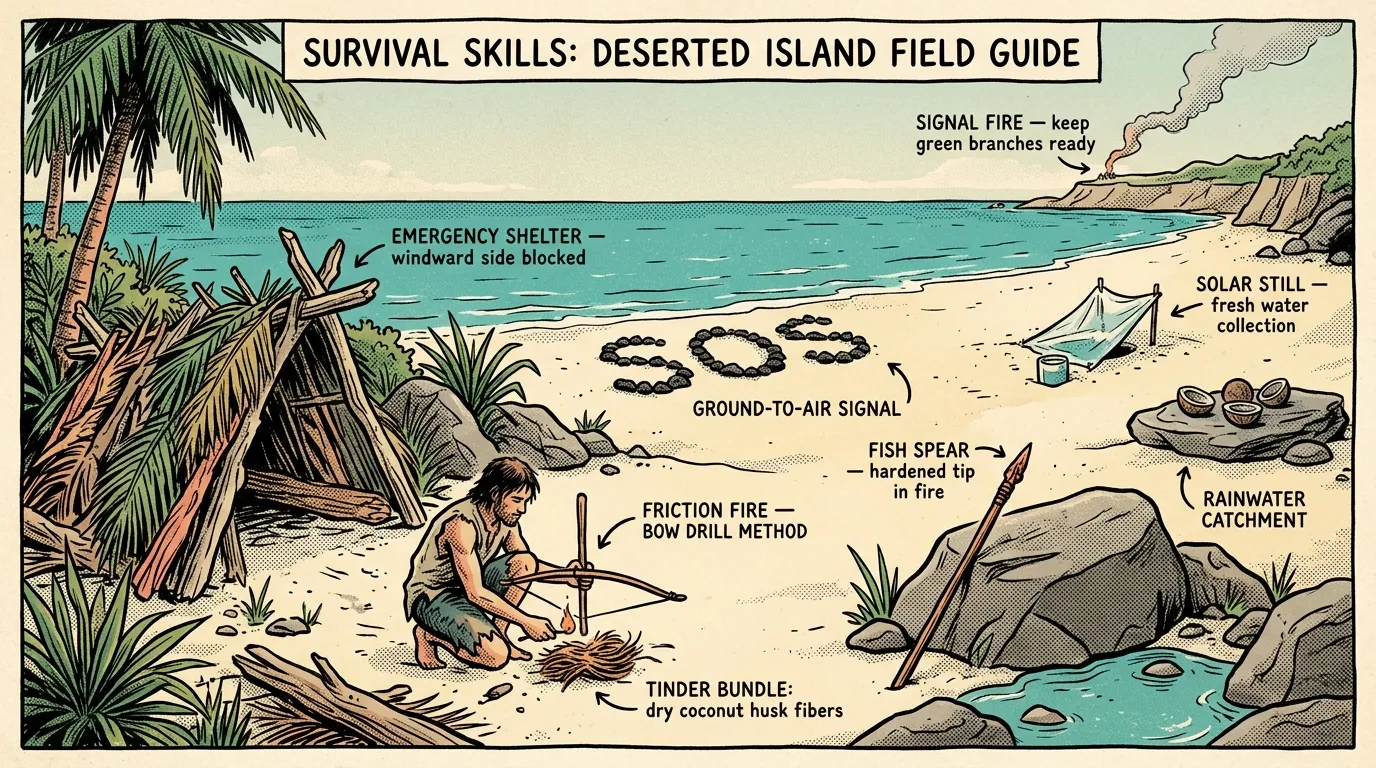
Survival Skills on a Deserted Island: Field Guide
Master survival skills on a deserted island — water, shelter, fire, food, and rescue signaling. Start learning now.
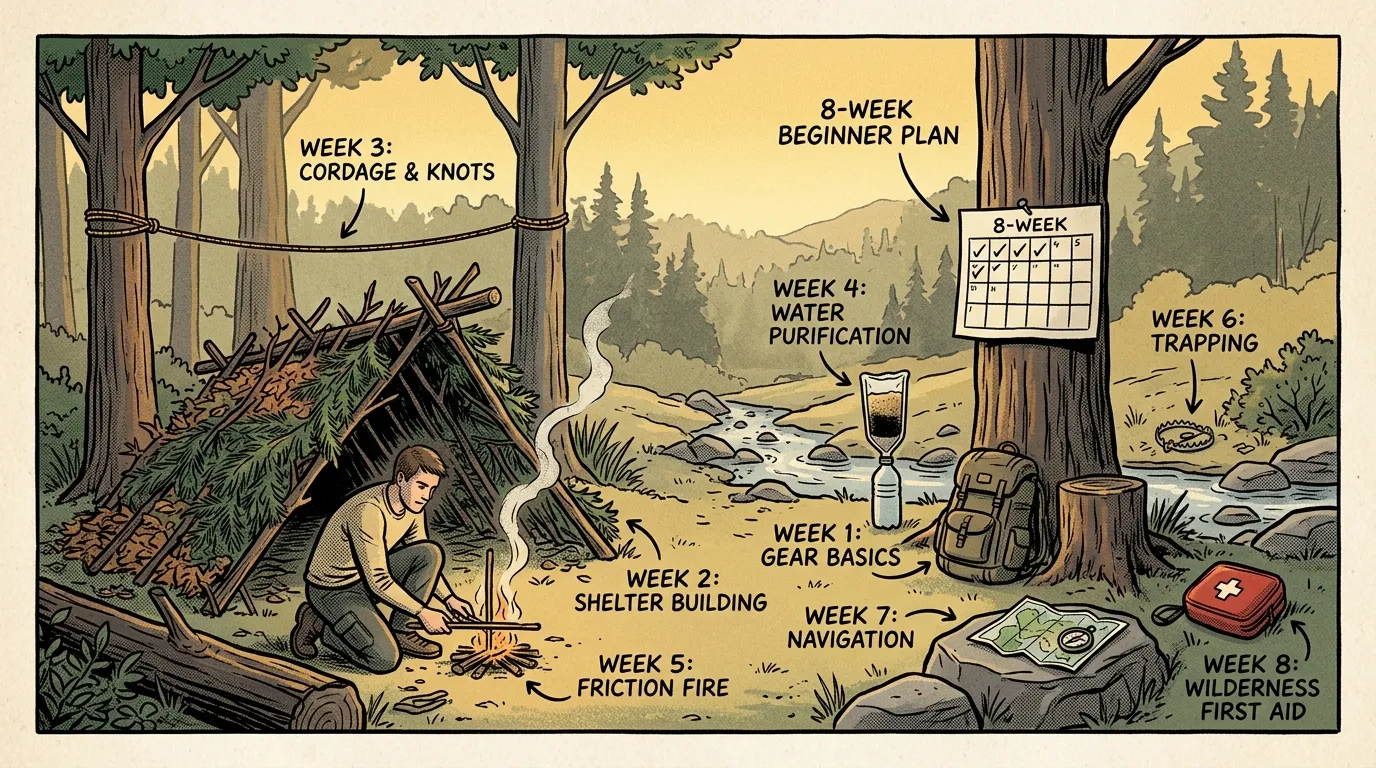
Survival Skills Training: 8-Week Plan for Beginners
Follow this 8-week survival skills training plan to master shelter, fire, water, navigation & first aid. Start this weekend.