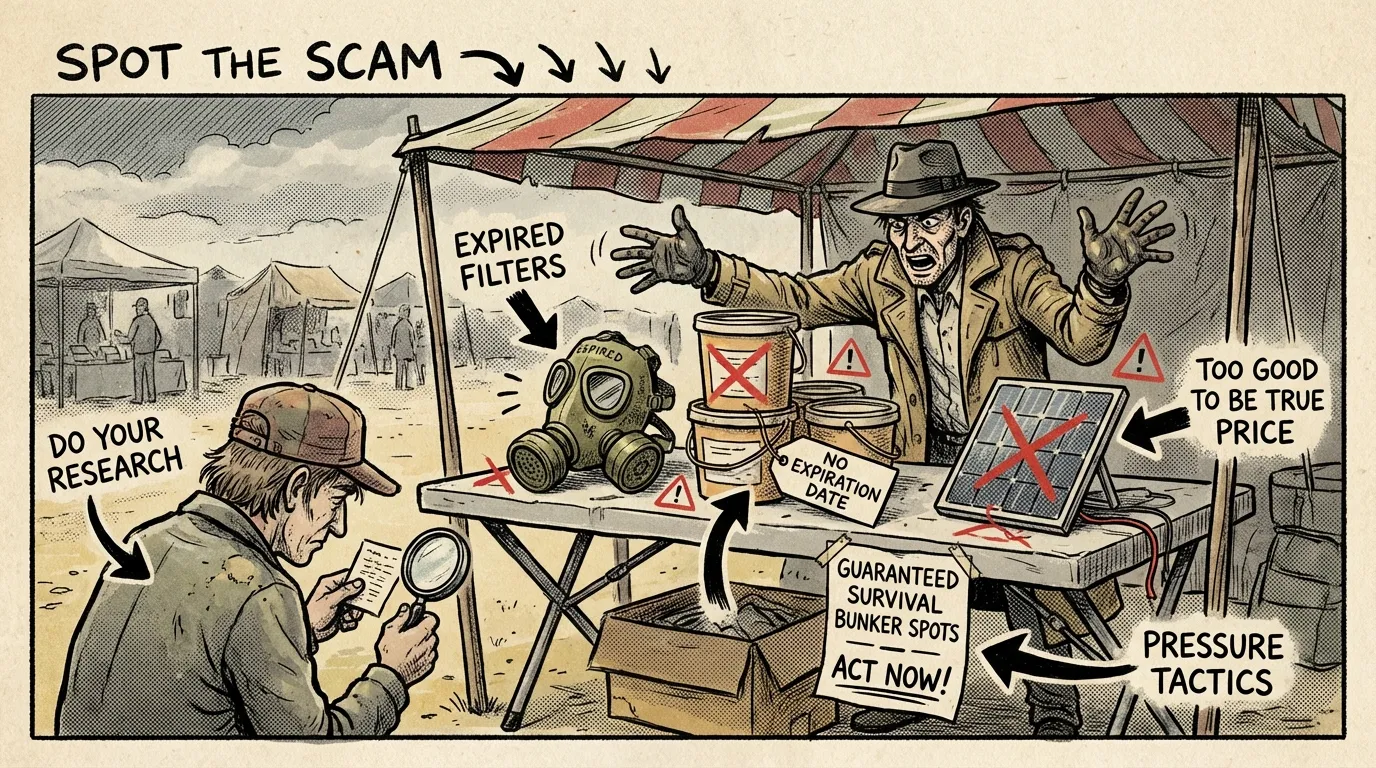
To avoid prepper scams, look for red flags like fear-based marketing, unrealistic survival claims, fake scarcity, and missing seller information. Verify products through independent reviews, transparent specs, and trusted retailers, especially during disasters or economic downturns when survival scams often increase.
Key Takeaways
- Verify NSF/ANSI certification for water filters and UL or ETL certification for batteries before buying.
- Read at least three independent reviews with photos, videos, and dates before purchasing survival gear.
- Pay with a credit card or PayPal to enable chargebacks; avoid wire transfers, gift cards, or crypto.
- Search the company name plus 'scam' and the current year, e.g., '[company] scam 2026', before purchasing.
- If scammed, contact your payment provider immediately and report to the FTC, IC3, and your state attorney general.
Prepper Scams: How to Spot and Avoid Survivalist Scams
Quick answer / TL;DR
- Prepper scams target people buying water filters, batteries, freeze-dried food, stoves, emergency medical supplies, and membership communities.
- Before you buy, verify who is selling the item, look for independent lab tests or recognized certifications, prefer established brands for critical gear like water treatment and batteries, pause when a sale tries to create panic, and pay with a credit card or PayPal for dispute protection.
Summary
Scammers use fear and urgency to sell worthless or unsafe products and services. Slow down. Check claims. Use buyer protections. Follow the Quick Checklist before any purchase.
What are prepper scams?
Prepper scams are deliberate misrepresentations, counterfeit items, or deceptive marketing aimed at people preparing for emergencies. Examples include fake water filters that do not meet NSF standards, counterfeit lithium batteries that explode or fail, free public guides repackaged and sold as exclusive courses, and membership programs that charge recurring fees without delivering useful content. Check FTC and state consumer alerts for current trends.
Quick checklist (do this before you buy)
- Verify the seller: company name, physical address, phone number, and clear return and warranty policies.
- Look for independent testing or certifications and be specific: NSF/ANSI for water, UL for electronics, and documented lab reports.
- Read at least three independent reviews that include photos or videos and dates.
- Confirm return and shipping terms, and note any restocking fees.
- Ignore countdown timers and panic language tied to breaking news.
- Use payment methods with buyer protection, such as a credit card or PayPal.
Why prepper scams are increasing
More people are preparing for emergencies. That higher demand attracts opportunistic sellers. New preppers often feel urgent pressure and skip basic verification steps. Scammers exploit that.
Common prepper scams to watch for
-
Fake or misrepresented survival gear
- Claims to check: “military-grade,” “purifies any water instantly,” or unrealistic run-times for solar/backups.
- What to verify: product manuals, detailed specs, serial numbers, and third-party test results.
- Typical failures: untested filters that leak bacteria, counterfeit batteries with low capacity, and thin metal stoves that break after a few uses.
-
Overpriced or repackaged guides and courses
- Red flags: claims of exclusive secrets when the same material is freely available online.
- What to check: instructor credentials, a clear syllabus, sample lessons, and independent user reviews.
-
Fraudulent membership communities and subscription traps
- Red flags: constant upsells, poor or hidden refund policies, and empty activity with no verifiable experts.
- What to check: visible member posts, transparent leadership, and easy cancellation.
-
Fake scarcity and crisis-driven panic sales
- Tactics: timers that reset or pressure tied to breaking events.
- What to check: compare stock and pricing across multiple sellers and watch for patterns of false scarcity.
-
Counterfeit brand-name products
- Tactics: packaging that mimics trusted brands but contains inferior components.
- What to check: packaging details, serial numbers, seller reputation, and independent performance tests.
-
Investment and precious-metals scams
- Tactics: inflated premiums, fake storage guarantees, and land deals with unclear ownership.
- What to check: independent appraisals, clear contracts, written storage agreements, and licensed financial advice.
Red flags that demand investigation
- Absolute or impossible claims, such as purification of any water instantly.
- Fear-driven marketing and urgent buy-now pressure.
- Only templated testimonials or no verifiable reviews.
- Missing company contact information or vague policies.
- Anonymous or unverifiable experts.
- Repeating timers and manufactured scarcity.
- Prices that are implausibly low or exploitatively high.
- No independent testing, certifications, or technical specifications.
How to verify products and sellers, step by step
- Search for independent reviews on Trustpilot, Reddit, YouTube, blogs, and forums. Prefer posts with photos or video tests.
- Verify certifications and standards. For example, water treatment should reference NSF/ANSI; batteries and electronics should reference UL or ETL; medical and food items should follow FDA or USDA guidance where applicable.
- Search complaint records by querying company name plus “scam” or “complaint,” and check the Better Business Bureau and state attorney general pages.
- Confirm marketplace legitimacy: check seller history, feedback, and whether the marketplace handles fulfillment and returns.
- Read terms carefully: returns, shipping time, warranties, and refund policies.
- Test safely: buy a small quantity first, keep serial numbers and receipts, and run basic tests where appropriate.
Tip: add the year to searches, for example, “[company] scam 2026,” to find recent reports.
Staying safe online and protecting payments
- Use a password manager and enable two-factor authentication.
- Avoid public Wi-Fi for purchases; use a trusted VPN if you must.
- Prefer credit cards or PayPal; avoid wire transfers, gift cards, or crypto-only payments for unfamiliar sellers.
- Inspect emails and links carefully. Do not post detailed inventory lists or emergency plans in public forums.
Action plan if you were scammed
- Contact your payment provider immediately to request a chargeback or dispute.
- Gather evidence: receipts, order confirmations, screenshots, emails, and chat logs.
- Report the incident to the FTC, IC3 for internet crimes, the marketplace, and your state attorney general.
- Secure accounts: change passwords and monitor financial statements.
- Share verifiable details in reputable communities to warn others.
FAQ — prepper scams
Q: What are the most common prepper scams? A: Fake gear, counterfeit brand items, repackaged guides, fraudulent subscriptions, phishing attempts, and panic sales.
Q: How do I know when a survival product is legitimate? A: Legitimate products include clear technical specifications, recognized certifications or third-party testing, independent reviews with photos or video, realistic marketing, and transparent seller policies.
Q: Who do I report a scam to? A: Your payment provider, the FTC, IC3 for online crimes, the marketplace involved, and your state consumer protection office.
Certifications and resources
- Agencies: FTC, CFPB, IC3, Better Business Bureau, state attorney general offices.
- Typical product standards:
- Water treatment: NSF/ANSI and EPA guidance.
- Electronics and batteries: UL and ETL.
- Food and medical items: FDA and USDA guidance when applicable.
Certification relevance varies by product. Confirm the right standard for the item you plan to buy.
Bottom line
Pause before a purchase. Verify claims with specific tests or certifications. Buy critical items from trusted brands and use payment methods that allow disputes. Start small with new sellers and keep documentation for every purchase.
The Complete
Prepper's Reference.
149 articles synthesized into one comprehensive PDF — twelve chapters covering water, food, shelter, first aid, comms, and scenario-specific preparedness. Free with your email.
Unsubscribe anytime · We never share your email
You're in. Check your inbox.
Keep Reading
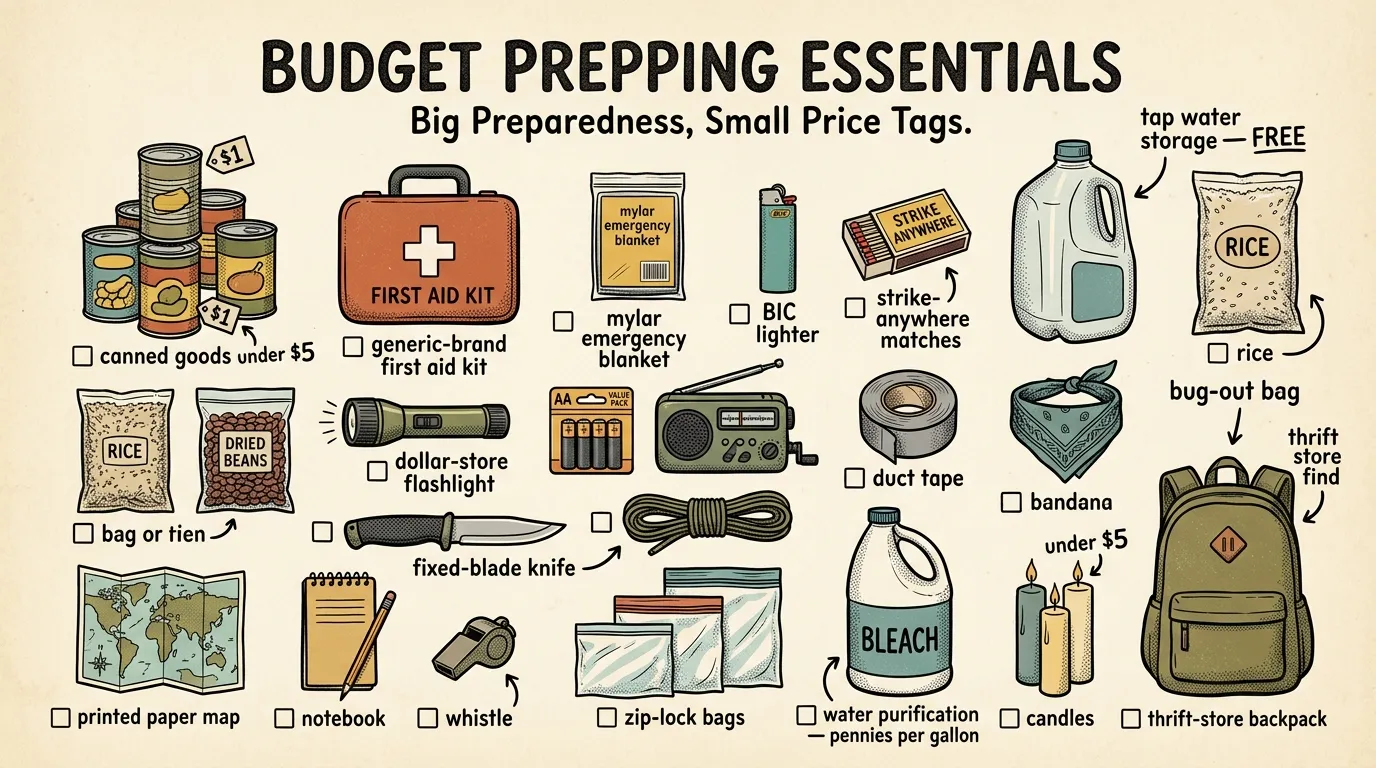
Prepping on a Budget: Affordable Gear & Strategies
Start prepping on a budget with a $75-$150 starter kit. Get affordable gear picks, DIY hacks, and a layered buying plan.
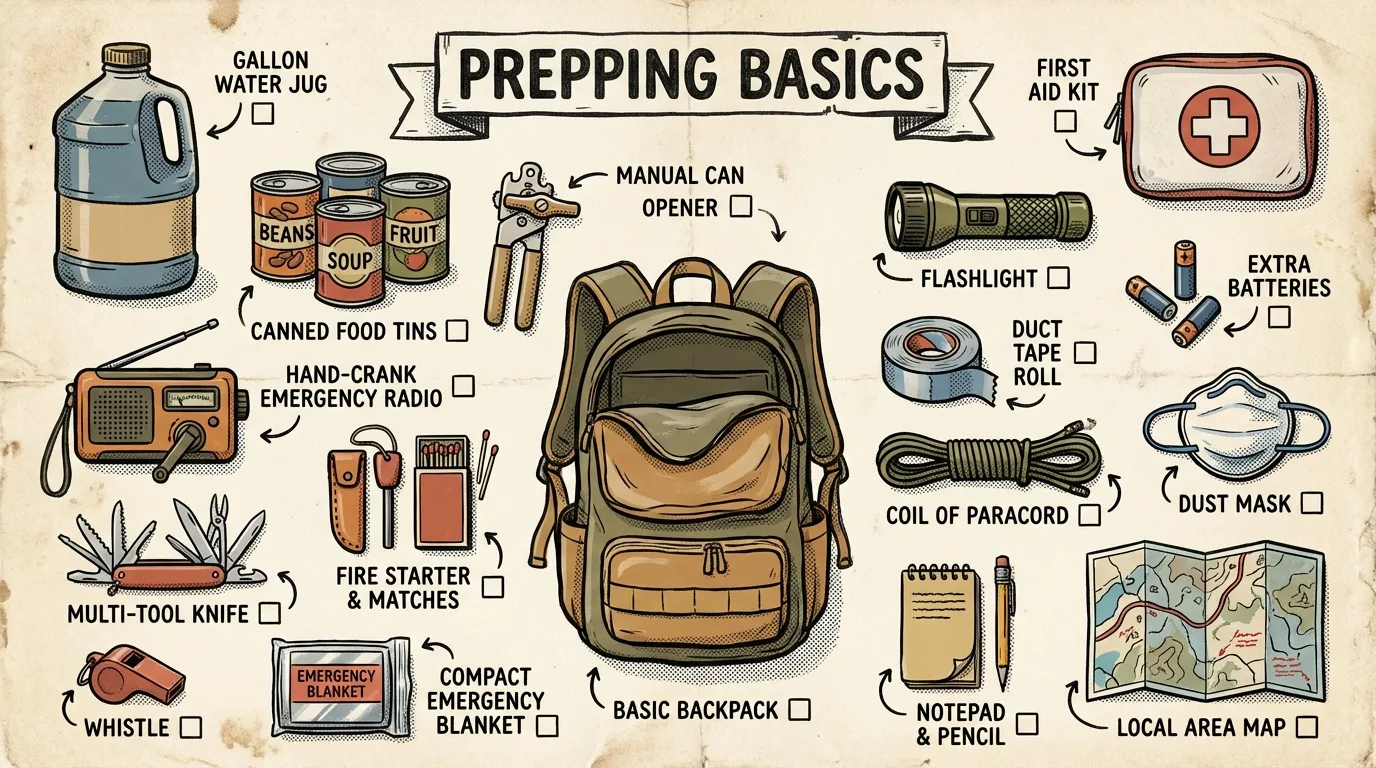
Beginner Prepping Basics: Start Survivalism the Right Way
Learn beginner prepping basics. Practical steps, budget-friendly gear, and common mistakes to avoid. Start prepping today.
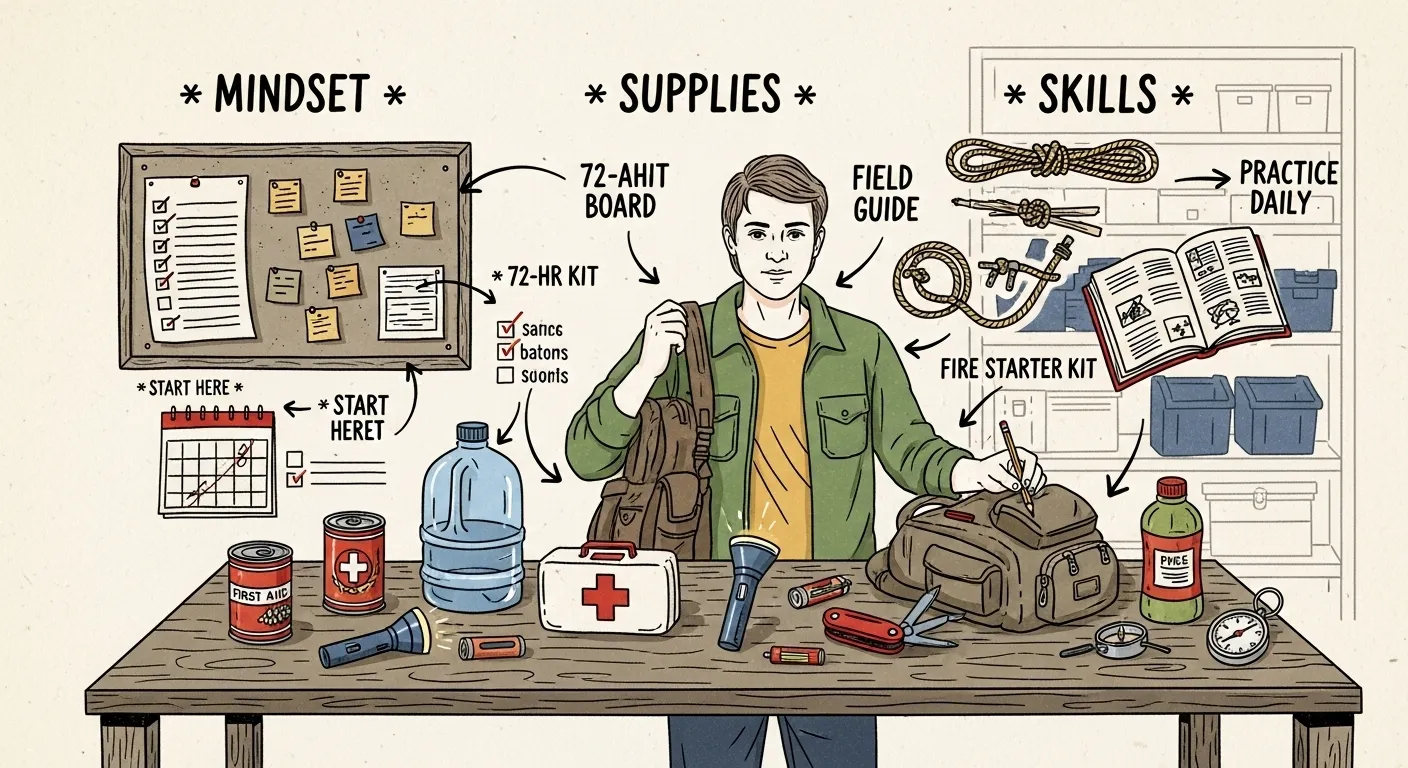
Beginner Prepper Guide: Mindset, Supplies & Skills
New to prepping? This beginner prepper guide covers the preparedness mindset, essential supplies, skills, and mistakes to avoid. Start building readiness today.