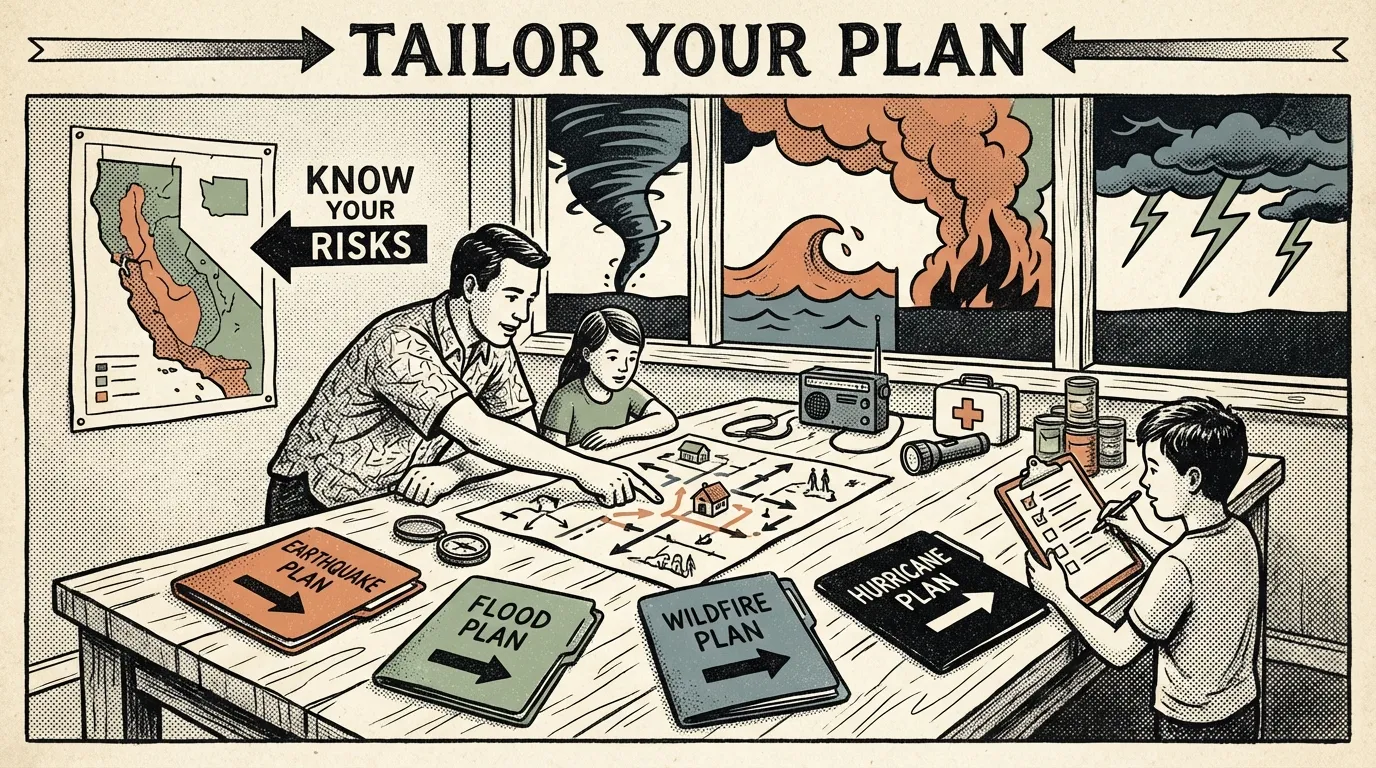
Prepare for natural disasters by identifying the most likely hazards in your area, building a core emergency kit, and customizing your plan for each threat. Hurricanes, earthquakes, tornadoes, floods, wildfires, winter storms, and extreme heat all require different shelter, evacuation, and supply strategies.
Key Takeaways
- Store 1 gallon of water per person per day for at least 72 hours minimum.
- Identify your top 2-3 local hazards using FEMA, NOAA, and county emergency management resources.
- Predefine specific evacuation triggers like mandatory orders or wildfire within a set distance.
- Review your emergency plan every six months and rotate supplies every three to six months.
- Assemble go-bags per person with water, meal bars, ID copies, medications, and basic first aid.
Prepping for Natural Disasters: Tailor Your Emergency Plan to Local Risks
Quick answer
- Prepping for natural disasters means a location-specific, actionable plan plus a baseline kit.
- Start with a 72-hour kit. Then add hazard-specific items and clear triggers for evacuation or sheltering.
- Use official local sources for maps and alerts: FEMA, Ready.gov, NOAA/NWS, USGS, and your county emergency management office.
Quick definitions
- Prepping for natural disasters: creating and practicing a realistic household plan and assembling supplies specific to your local hazards.
- Go-bag: a grab-and-go kit to last at least 72 hours per person.
- Shelter-in-place: staying in a prepared indoor location when leaving is more dangerous.
- Defensible space: cleared and maintained area around a home that reduces wildfire risk.
Why location-specific prepping matters
Hazards differ by place. Coastal areas face storm surge and high winds. Mountain and forested areas face wildfire and smoke. Seismic zones face sudden shaking and structural damage. Match your plan and kit to the top 2-3 threats in your area to avoid unnecessary gear and improve readiness.
Consult local hazard maps and alerts. Pick numeric triggers for action, such as flood elevation, mandatory evacuation lines, or wildfire distance thresholds.
Common hazards and focused actions
Each entry shows the main threat, simple actions, and key kit items.
Hurricanes
- Threats: storm surge, coastal flooding, high winds, long power outages.
- Actions: know evacuation routes, elevate important documents, board or shutter windows, keep fuel topped for generators and vehicles.
- Key items: waterproof document bags, extra water, battery-powered backup power, plywood or storm shutters, fuel stabilizer.
Earthquakes
- Threats: sudden shaking, falling objects, gas leaks, broken utilities.
- Actions: secure bookshelves and water heaters, practice Drop, Cover, Hold On, know how to shut off gas, keep shoes and a flashlight by each bed.
- Key items: adjustable wrench for gas shutoff, sturdy footwear, comprehensive first-aid kit, three days of water.
Tornadoes
- Threats: very short warnings, flying debris, building collapse.
- Actions: identify an interior safe room or basement, run rapid drills, enable NOAA alerts and keep a charged radio.
- Key items: helmets or hard hats, sturdy shoes, battery-powered NOAA radio, emergency lighting and batteries.
Floods
- Threats: fast-moving water, road washouts, contaminated supplies.
- Actions: review FEMA flood maps, identify high ground and alternate routes, never drive through floodwater.
- Key items: waterproof document storage, plan for elevating utilities, appropriate insurance if you are in a flood zone.
Wildfires
- Threats: rapid evacuation, heavy smoke and poor air quality.
- Actions: create defensible space around structures, prepack go-bags, keep vehicle fuel and an evacuation checklist ready.
- Key items: N95 respirators, pet carriers, evacuation checklist with photos and records.
Winter storms
- Threats: prolonged power and heating loss, frozen pipes, impassable roads.
- Actions: insulate pipes, have a safe alternate heat source, keep a winter vehicle kit and clear pathways for snow removal.
- Key items: warm blankets, safe alternate heating methods, rock salt, shovel.
Extreme heat
- Threats: dehydration, heat illness, loss of cooling.
- Actions: increase water stores, identify cooling centers, check on neighbors who are elderly or have health issues.
- Key items: extra water, electrolyte packets, battery or solar fans, plans for pets and people who need regular cooling.
Step-by-step approach to prepping for natural disasters
-
Assess local risks
- Use Ready.gov, FEMA flood maps, NOAA/NWS, USGS, and your local emergency management. Record the top 2-3 hazards for your household.
-
Build a core household plan
- Emergency contacts, printed and digital.
- Meeting places: a nearby spot and an out-of-area contact.
- Evacuation routes and backups. A communication plan for outages.
- Waterproof and digital copies of documents. Assign roles for each family member.
-
Assemble a baseline kit (per person)
- Water: 1 gallon per person per day for at least 72 hours; consider 7-14 days if your area is prone to long outages.
- Nonperishable food, manual can opener, first-aid kit, and extra prescription meds when possible.
- Flashlight, spare batteries, power banks, battery-powered NOAA radio, cash, hygiene items, and essential documents.
-
- Keep them by exits. Include clothing, water, meal bars, ID copies, basic first aid, and necessary medications.
-
Vehicle and workplace kits
- Vehicle: water, snacks, blanket, jumper cables, basic tools, phone charger, first aid.
- Workplace: emergency contacts, a small kit with meds, water, charger, and a printed evacuation route.
-
Tailor to specific hazards
- Examples: sandbags and a sump pump for floods, furniture anchors for earthquakes, N95 masks and extra fuel for wildfire evacuations.
-
Practice and maintain
- Run evacuation and shelter-in-place drills. Test radios and power banks. Review plans every six months and check supplies every three to six months.
Evacuate or shelter-in-place: clear guidance
- Follow official instructions first. If authorities order an evacuation, go immediately.
- Shelter-in-place when authorities advise it, roads are unsafe, or you have a confirmed interior safe location.
- Predefine triggers in your plan, such as a mandatory evacuation order, wildfire within a set distance, or a surge forecast above local thresholds.
Family, pets, and special-needs planning
- Assign roles and who grabs which kit.
- Pet kit: three days of food and water, meds, vaccination records, and a carrier or leash.
- Medical needs: extra supplies, backup power for devices, and a list of medical conditions and prescriptions in the kit.
Staying informed during disasters
- Use multiple alert methods: Wireless Emergency Alerts, NOAA Weather Radio, NWS and FEMA apps, USGS alerts, and local channels.
- Keep charged power banks, car chargers, and spare cables. Keep printed emergency contacts in case devices fail.
Extraction-friendly checklists
Core household checklist
- Emergency contact list
- Meeting places and evacuation routes
- Waterproof copies of documents
- 72-hour kit per person
- Go-bag per person
- Vehicle kit and pet kit
3-month maintenance checklist
- Test radios and flashlights
- Rotate food and meds before they expire
- Check batteries and power banks
- Review contacts and meeting places
FAQ
- What hazards should I prepare for? Prepare for the hazards common to your region: hurricanes, earthquakes, floods, wildfires, winter storms, or extreme heat. Verify with FEMA, NOAA, and local emergency management.
- How much water and food do I need? Plan for at least 1 gallon per person per day for 72 hours. Extend to 7-14 days if your area faces long outages.
- When should I evacuate or shelter in place? Follow official orders. Predefine triggers in your plan and practice both responses.
Next steps
Start with a 72-hour baseline. Add hazard-specific supplies and clear action triggers. Practice regularly. Update kits after major life changes.
Resources
- Ready.gov
- FEMA flood maps
- NOAA / National Weather Service
- USGS earthquake alerts
- American Red Cross preparedness guides
[INTERNAL_LINK: Becoming a Prepper: The Beginner’s Guide to Survival Readiness] [INTERNAL_LINK: How to Build a Bug Out Bag: Essentials for a Quick Getaway] [INTERNAL_LINK: Canned Goods and Other Edibles: Your First Steps to Stockpiling Food] [INTERNAL_LINK: Water, Water Everywhere: How to Store H2O Without Losing Your Sanity] [INTERNAL_LINK: Batten Down the Hatches: Home Fortification Tips for Beginners]
The Complete
Prepper's Reference.
149 articles synthesized into one comprehensive PDF — twelve chapters covering water, food, shelter, first aid, comms, and scenario-specific preparedness. Free with your email.
Unsubscribe anytime · We never share your email
You're in. Check your inbox.
Keep Reading
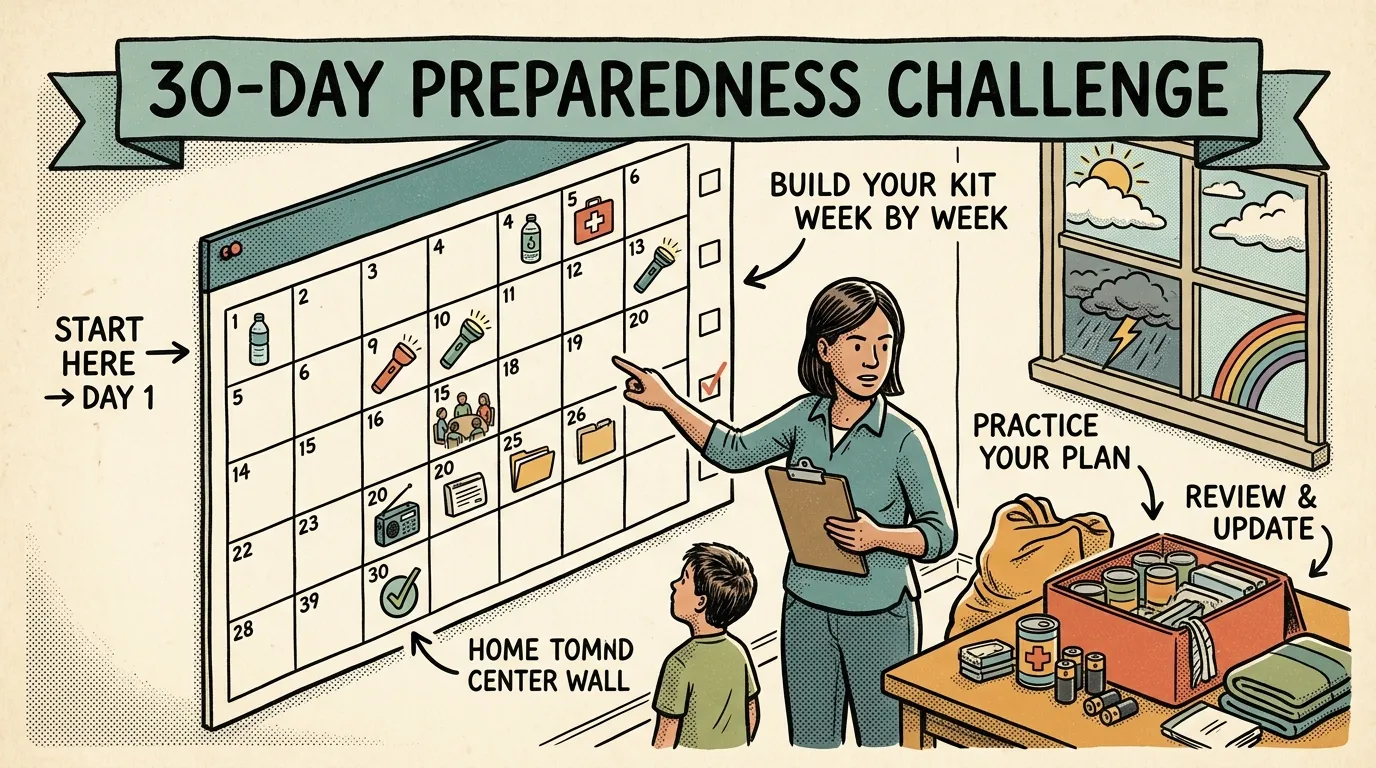
National Emergency Preparedness Month: 30-Day Plan
Use this 30-day National Emergency Preparedness Month challenge to go from unprepared to fully ready. One simple 15-minute task per day. Start now.
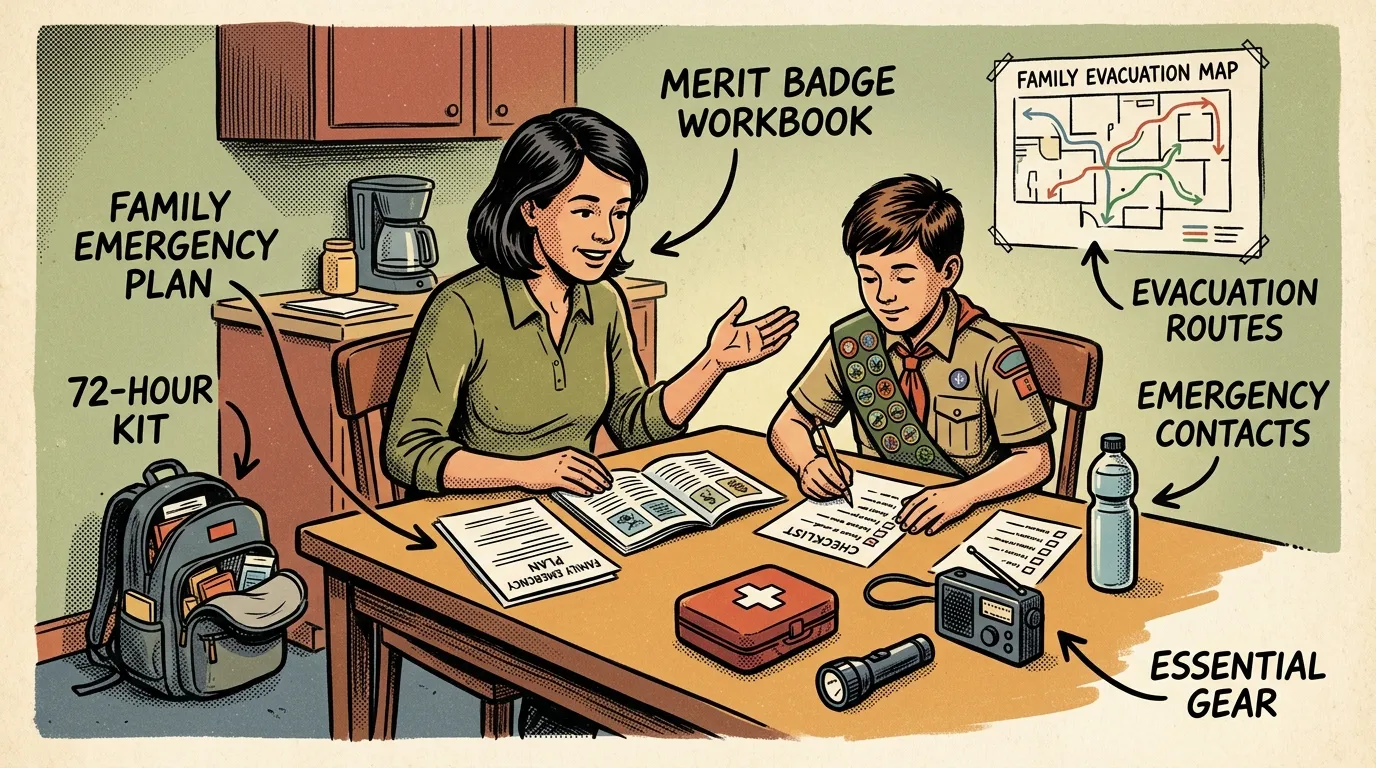
Emergency Preparedness Merit Badge: A Parent's Guide
Use the Emergency Preparedness merit badge framework to teach your kids real survival skills at home. Step-by-step activities for each requirement.
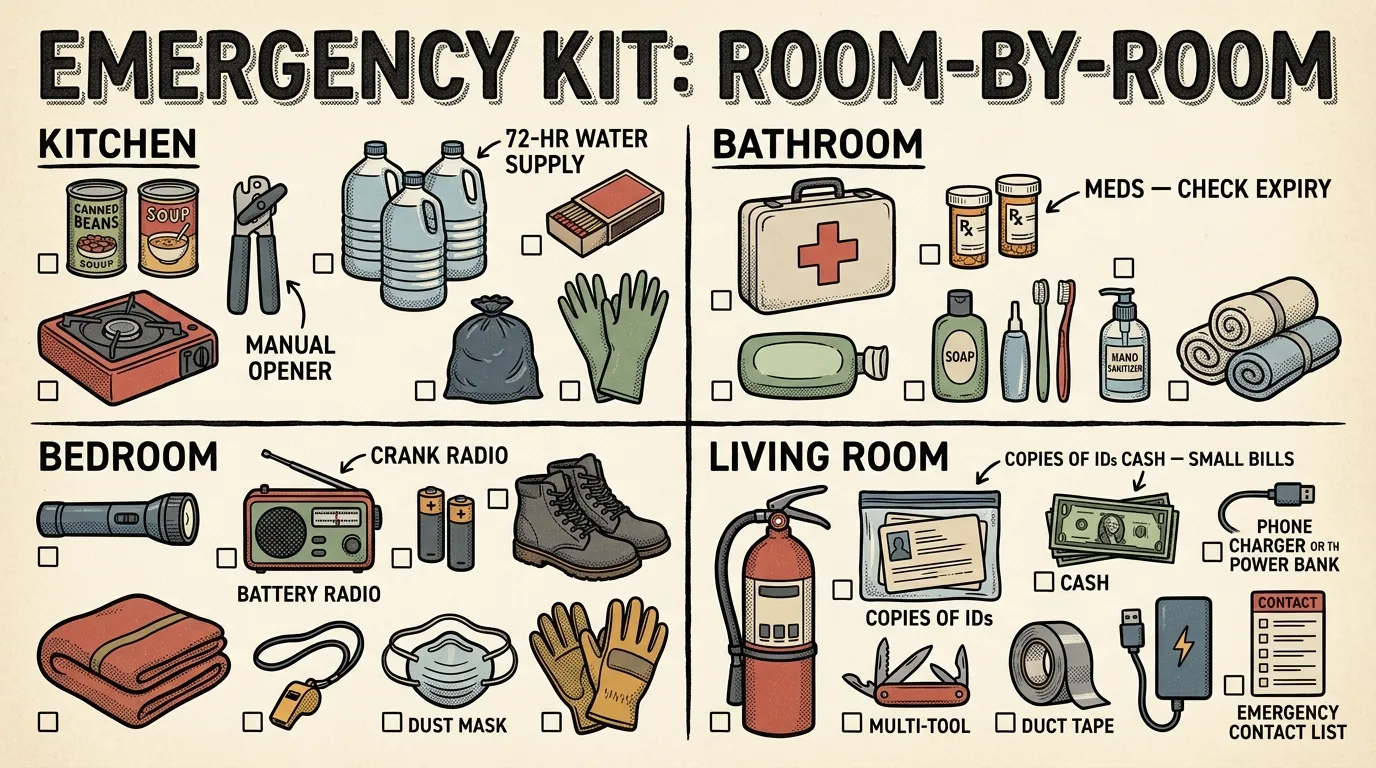
Emergency Preparedness Kit: Room-by-Room Home Guide
Build your emergency preparedness kit room by room for 14-day shelter-in-place readiness. Budget-friendly system. Start tonight.