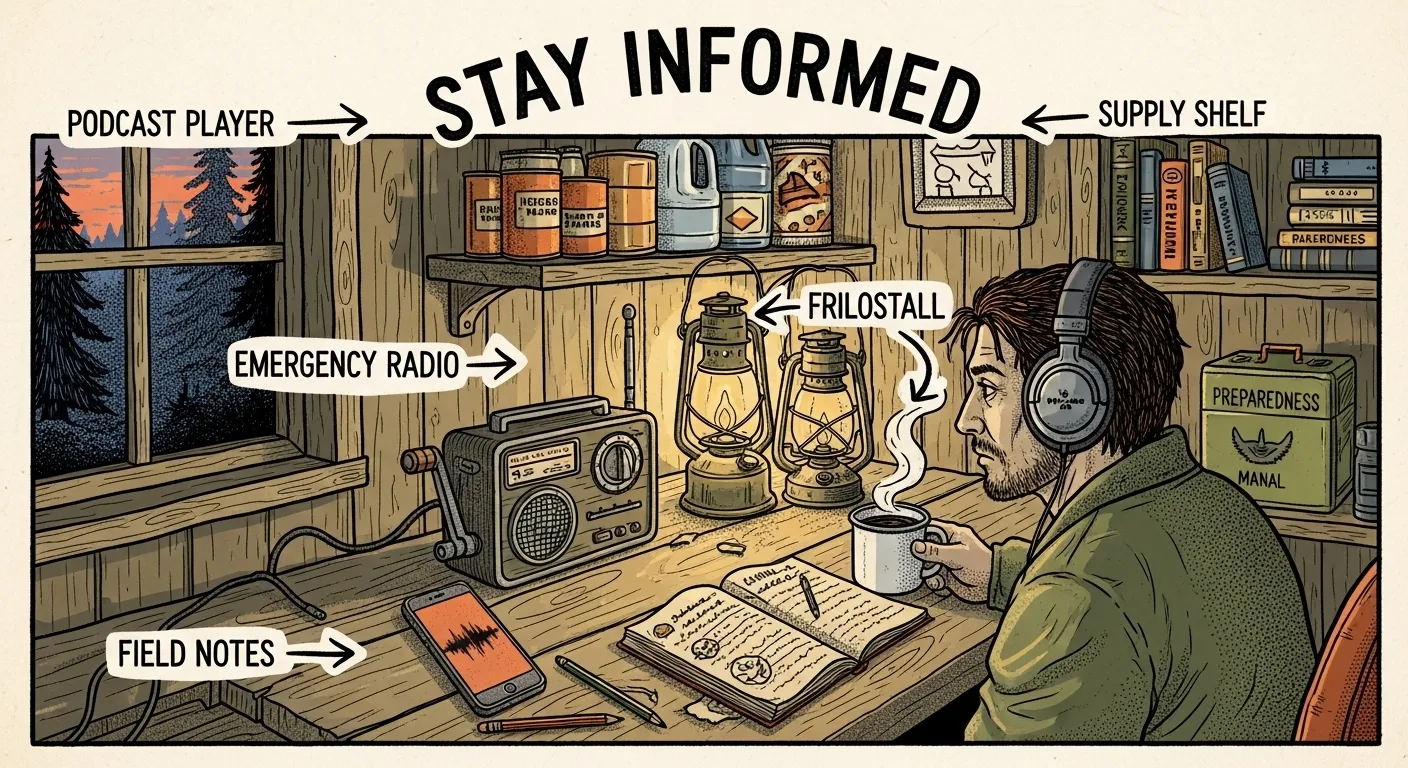
The best prepper podcasts for beginners include The Survival Podcast, Casual Preppers Podcast, Prepping 2.0, The Urban Prepper Podcast, and Ready Your Future. These shows help new preppers learn practical survival skills, emergency planning, and self-reliance in an accessible, engaging format.
Key Takeaways
- Pick one prepper podcast and stick with a weekly listening habit instead of hopping between five shows and absorbing nothing.
- Take three notes per episode: the gear mentioned, one skill to practice, and one claim you need to verify independently.
- Store roughly three gallons of water per person as your first concrete action after episode one — don't wait for a 'perfect' plan.
- Run a 15-minute family drill every month and update your checklist based on what actually went wrong.
- Cross-check any medical, legal, or technical claim against FEMA, the Red Cross, the CDC, or ARRL before you act on it.
Best Prepper Podcasts for Beginners: Learn Practical Survival Skills
People often turn to podcasts because they want to feel like they’re doing something even when they’re stuck in traffic or folding laundry. That instinct is right. Listening to a few prepper shows a week can sharpen preparedness habits by exposing listeners to other people’s field mistakes and lessons. The trick is knowing which shows are worth your commute and which ones are just fear-mongering with a microphone.
Quick Summary
- The five best prepper podcasts for beginners: The Survival Podcast, Casual Preppers Podcast, Prepping 2.0, The Urban Prepper Podcast, and Ready Your Future.
- Podcasts are a starting point, not a substitute for hands-on practice or certified training in first aid, radio operation, or wilderness skills.
- Turn every episode into one concrete action — buy the item, store the water, make the call — instead of just collecting information.
- Verify medical, legal, and technical claims against FEMA, the Red Cross, the CDC, or ARRL before you act on them.
- Use a simple checklist to evaluate any new show: credentials, sourcing, context fit, and available show notes.
What Counts as a “Prepper Podcast” Anyway?
A prepper podcast is any show built around emergency preparedness, self-reliance, and resilience — usually delivered as interviews, how-to breakdowns, gear reviews, or personal war stories from people who’ve lived through something. The good ones stick to concrete topics: water storage methods, basic first aid steps, simple ham radio setups, evacuation plans, and mindset work that doesn’t tip into paranoia.
The bad ones? They talk in vague absolutes about “the coming collapse” and never once mention a specific gallon count, a specific product, or a specific skill you can practice this weekend. If an episode ends and you can’t name one thing you learned, that’s a red flag on the show, not on you.
Who Actually Needs These Shows?
You’re the target audience for this list if:
- You don’t have an organized emergency kit or written plan yet
- You want low-cost, step-by-step actions instead of a $3,000 shopping list
- You’d rather learn from people doing the work than read another spreadsheet
That covers a lot of ground — renters, new parents, retirees moving somewhere rural for the first time. The podcasts that help most are the ones that meet you where you are instead of assuming you already own a bunker.
Why Bother Listening in the First Place?
Here’s the honest case for podcasts: they turn dead time into learning time. You can absorb a full episode on food rotation while you’re driving to work, and that’s 40 minutes you’d have spent listening to music anyway. More importantly, you get access to homesteaders, EMTs, ham radio operators, and working emergency managers — people who’ve actually done the thing, not just written a blog post about it.
Treat every episode as a lead, not gospel. The best hosts will tell you outright when something is opinion versus documented fact — if a show never makes that distinction, be skeptical of everything it tells you.
The benefits stack up fast when you listen consistently:
- Real field examples instead of textbook theory
- Single-topic episodes that make action easy — no 40-item checklist overload
- Concrete gear recommendations and links you can actually follow up on
- Listener questions that surface problems you hadn’t thought to ask about yet
The 5 Best Prepper Podcasts for Beginners
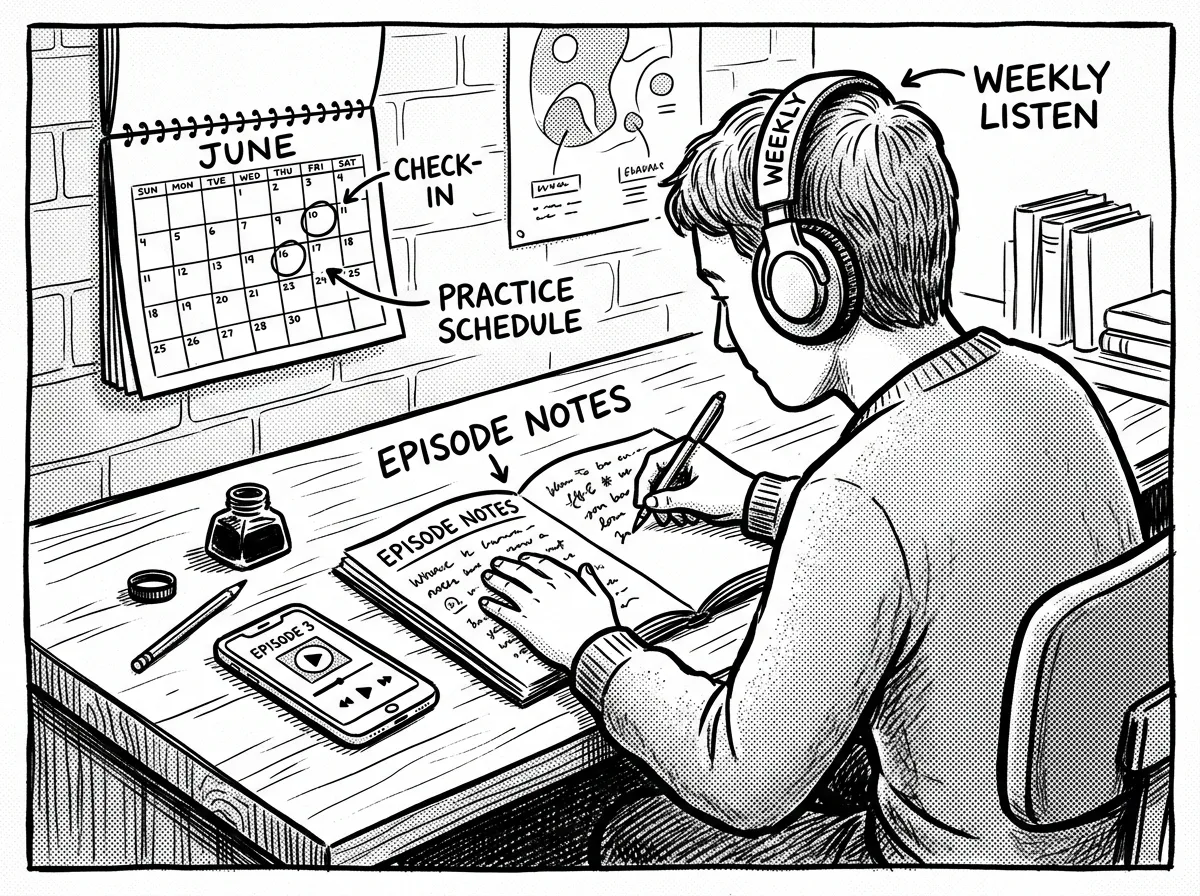 A listener actively engaged with prepper podcast learning
These five made the list because they’re accessible, they don’t require a homestead or a bug-out bunker to be useful, and they’re still actively publishing. Most run on Apple Podcasts, Spotify, and YouTube — check each show’s page for transcripts, since not everyone offers them.
1. The Survival Podcast
Focus: Long-term resilience, self-reliance, homesteading, and personal finance woven together.
This is the granddaddy show in the space, and it holds up because the host connects everyday financial and lifestyle decisions to actual preparedness outcomes. You’ll walk away with systems thinking more than a single checklist item — useful once you’ve got the basics covered and want to think bigger picture.
You’ll learn: Systems thinking, basic food production, long-term mindset shifts that make prepping a habit instead of a panic response.
2. Casual Preppers Podcast
Focus: Approachable family preparedness without the doom-and-gloom tone.
If the word “prepper” makes you picture camo and canned beans in a bunker, this show is the antidote. The hosts keep things realistic and budget-conscious, which matters — it’s common for people to blow their whole preparedness budget on a single fancy gadget in week one and then quit because they felt broke and overwhelmed.
You’ll learn: Family-ready checklists, affordable gear picks, small daily habits that compound over months.
3. Prepping 2.0
Focus: Modern family preparedness with a rotating cast of expert guests.
This one leans tactical. Episodes tend to end with something you can actually implement by Sunday — not “someday,” this weekend. That immediacy is rare in this space and it’s why it’s a good fit for people who learn better with deadlines.
You’ll learn: Household supply systems, simple communications setups, basic medical readiness steps.
4. The Urban Prepper Podcast
Focus: City and suburban preparedness for people without a barn or a basement.
Most prepper content assumes you’ve got acreage. This show doesn’t, and that’s exactly why it’s on this list. If you’re renting a one-bedroom apartment in a dense city, storing 30 gallons of water and a month of freeze-dried meals is a real space puzzle, and this show actually addresses it instead of ignoring it.
You’ll learn: Compact storage strategies, mobility planning, building awareness with neighbors instead of going it alone.
5. Ready Your Future
Focus: Step-by-step readiness built around small, repeatable habits.
This show’s whole philosophy is that consistency beats intensity. Instead of a massive supply run, you get one doable task per episode — which, frankly, is closer to how real preparedness gets built anyway.
You’ll learn: Weekly action items, supply prioritization, small habit changes that add up over a year.
Be skeptical when a host spends more time selling their own branded gear than talking about actual technique. Some episodes turn out to be little more than a pitch for a $200 “survival kit” that’s just repackaged Dollar Store items at a markup. The five shows above earned their spot because they talk gear you can verify and buy anywhere, not proprietary bundles only available through their link.
Turning Podcast Episodes Into Real Skills
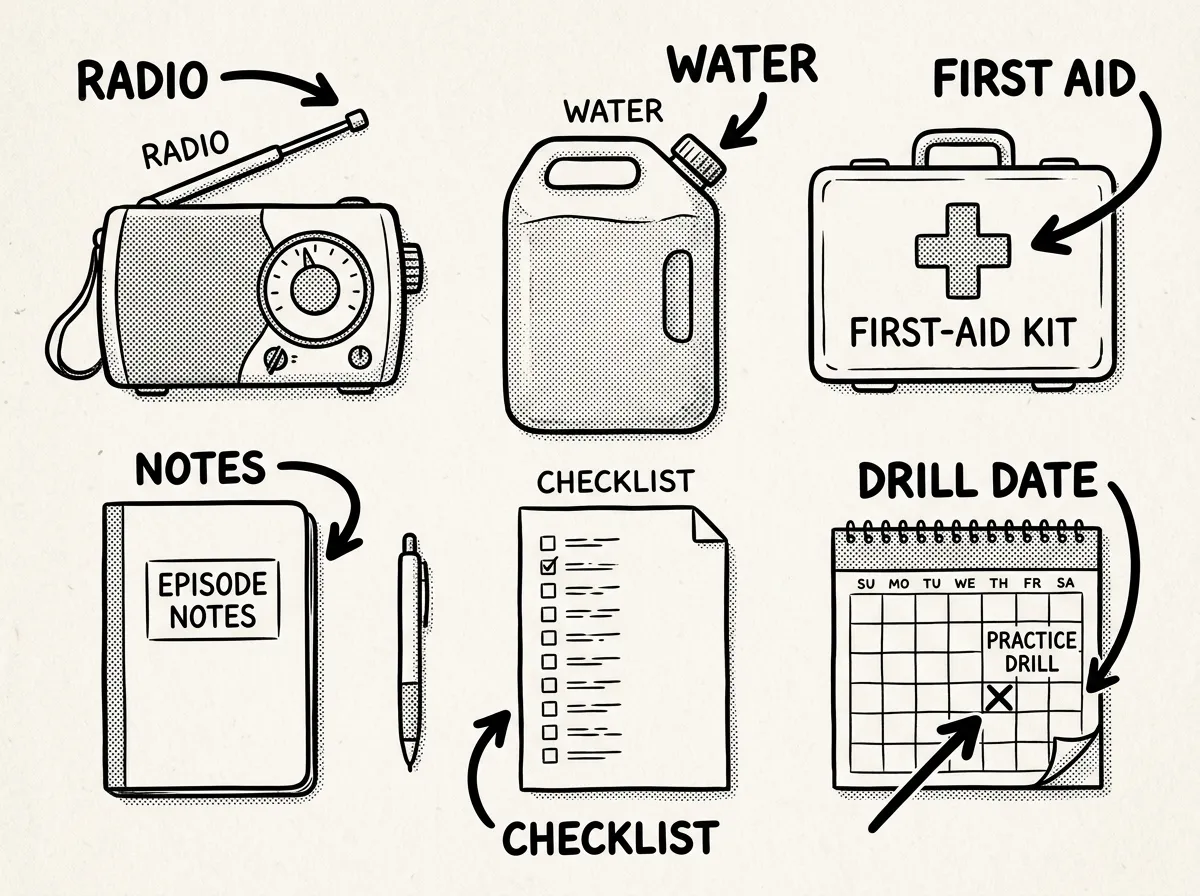 Concrete actions to take after listening to one episode
So you’ve picked a show. Now what? This is where most people fall off — they listen to 40 episodes and can’t point to a single thing they’ve actually done differently. Don’t let that be you.
- Subscribe to one show and commit to listening consistently, even repeating episodes when the topic is new to you
- For each episode, write three quick notes: recommended gear, a skill to practice, and one claim to verify
- Pick a single focus for the week — water, food, first aid, communications, or evacuation planning
- Turn the episode into one concrete action: rotate stored food, buy a gallon of water per person per day, pick up a hand-crank radio, or run a 15-minute family drill
- Verify any medical or technical advice against the CDC, FEMA, the Red Cross, or a certified instructor before relying on it
- Practice the skill physically — listening alone doesn’t build muscle memory
Here’s a simple rhythm that works well for someone starting from zero:
- Week 1: Listen to one episode, then complete the one task it recommends
- Week 2: Practice that skill hands-on for 10 to 20 minutes — don’t just think about it
- Monthly: Run a short family drill and update your checklist based on what broke down
Knowledge from a podcast episode is not the same as muscle memory. Drill it, even if it feels silly the first few times.
Evaluating a Show Before You Trust It
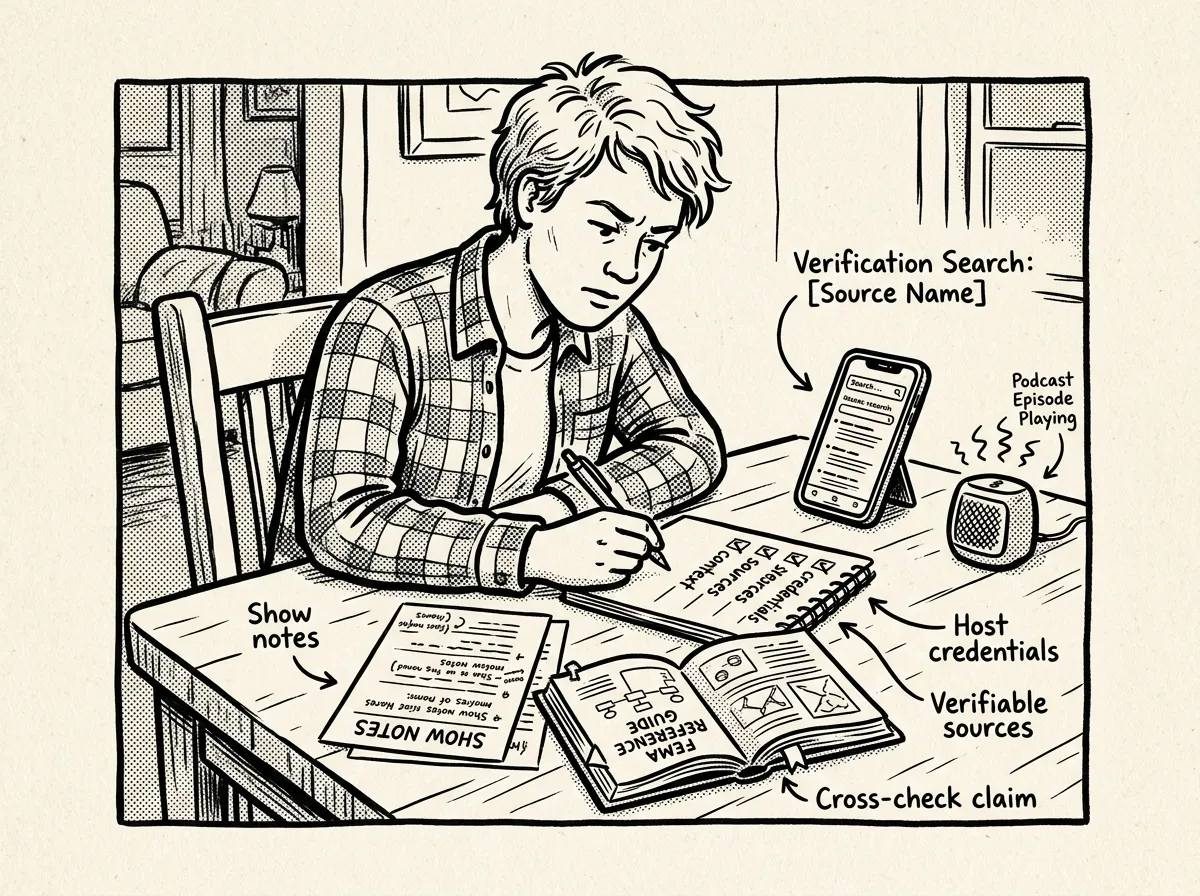 Critical checklist for assessing prepper podcast credibility
Not every podcast wearing the “prepper” label deserves your time. Before you commit to a weekly listen, run it through this quick filter.
- Host states their real experience and credentials clearly
- Episodes cite verifiable sources — FEMA, Red Cross, CDC, ARRL, or certified trainers
- Recommendations actually fit your context (urban renter versus rural homesteader)
- Hosts clearly separate personal opinion from step-by-step instruction
- Show notes or transcripts exist so you can follow up later
- Medical, structural, or legal advice gets referred to actual professionals
Where this checklist saves you: some shows have given wound-care advice that would make any trained wilderness medic wince — wrong wrap technique, wrong pressure point, delivered with total confidence. Confidence isn’t the same as competence. If a host won’t name their training background, treat their medical and technical claims as unverified until you check them elsewhere.
What Podcasts Can’t Teach You
Here’s the part that doesn’t get said enough: podcasts are audio. They can describe a tourniquet application in vivid detail, but they can’t watch your hands and correct your form. That gap is exactly why certified courses exist — Red Cross first aid, WFR certification, ARRL license classes for radio operators. No podcast episode replaces the hands-on repetition of practicing a splint on an actual limb with an instructor watching.
Use podcasts to build your mental map of what to learn and in what order. Use certified, hands-on training to actually acquire the skill. Confusing the two is a common mistake among people who consider themselves “prepared” after a year of listening but zero hours of practice.
A Few Honest Warnings
Question any host’s claimed medical or legal expertise independently — a confident tone on a podcast doesn’t equal a license. Treat dramatic survival stories as illustrations, not step-by-step protocols; what worked for one person in one specific situation isn’t universal advice. And be wary of any episode that’s gear-heavy but skill-light — a $400 kit means nothing if you’ve never practiced using half of what’s inside it.
If you’re in a humid Gulf Coast climate, a lot of general “prepper” gear advice about food storage or electronics protection needs local adjustment — mold and corrosion move faster there than in the arid Southwest, and most national-level podcasts won’t mention that nuance unless you specifically seek out regional episodes or guests.
Where to Start This Week
Pick one show from the list above. Subscribe. Listen to a single episode today, write your three notes, and complete one task by the weekend — even something as small as filling a few gallon jugs with water counts. Small, repeated actions beat information overload every single time, whether you’re brand new to this or you’ve been at it for years.
The Complete
Prepper's Reference.
149 articles synthesized into one comprehensive PDF — twelve chapters covering water, food, shelter, first aid, comms, and scenario-specific preparedness. Free with your email.
Unsubscribe anytime · We never share your email
You're in. Check your inbox.
Keep Reading
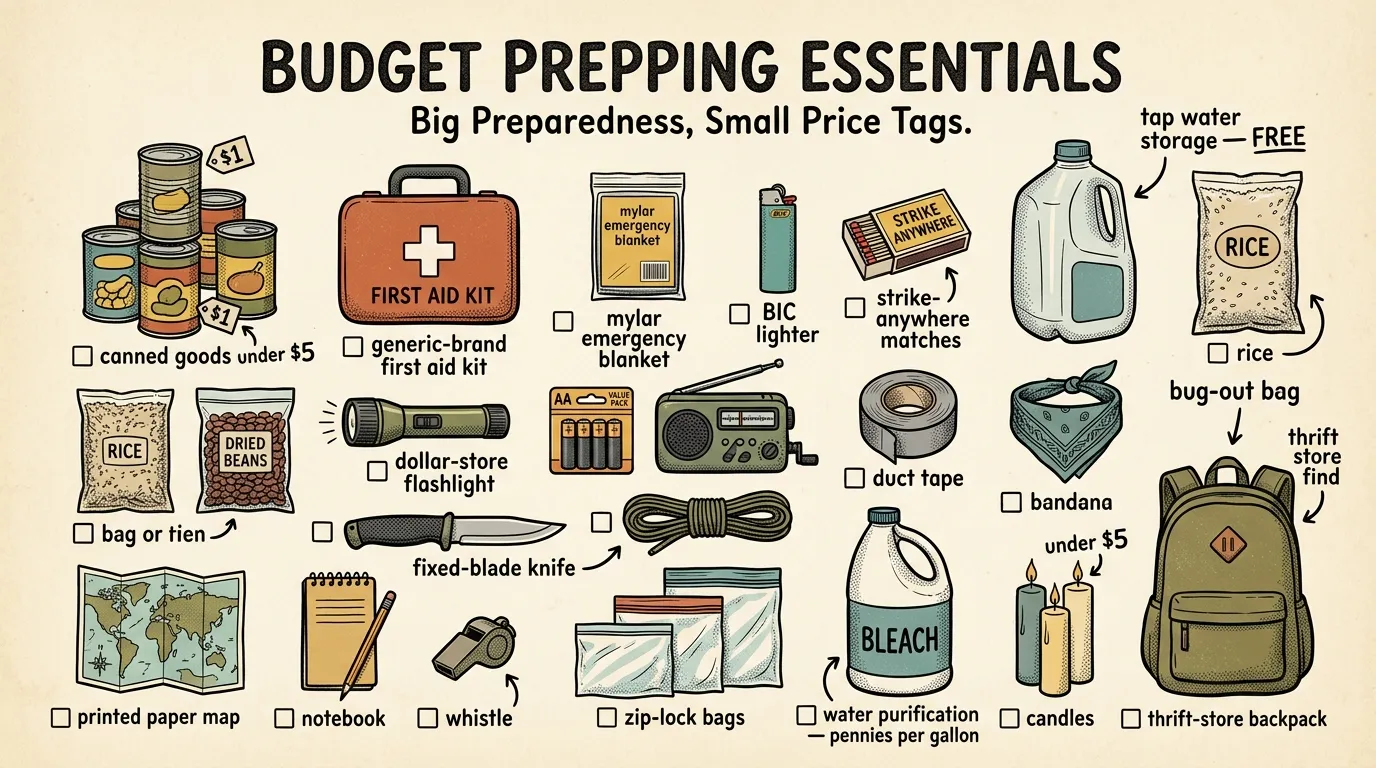
Prepping on a Budget: Affordable Gear & Strategies
Start prepping on a budget with a $75-$150 starter kit. Get affordable gear picks, DIY hacks, and a layered buying plan.
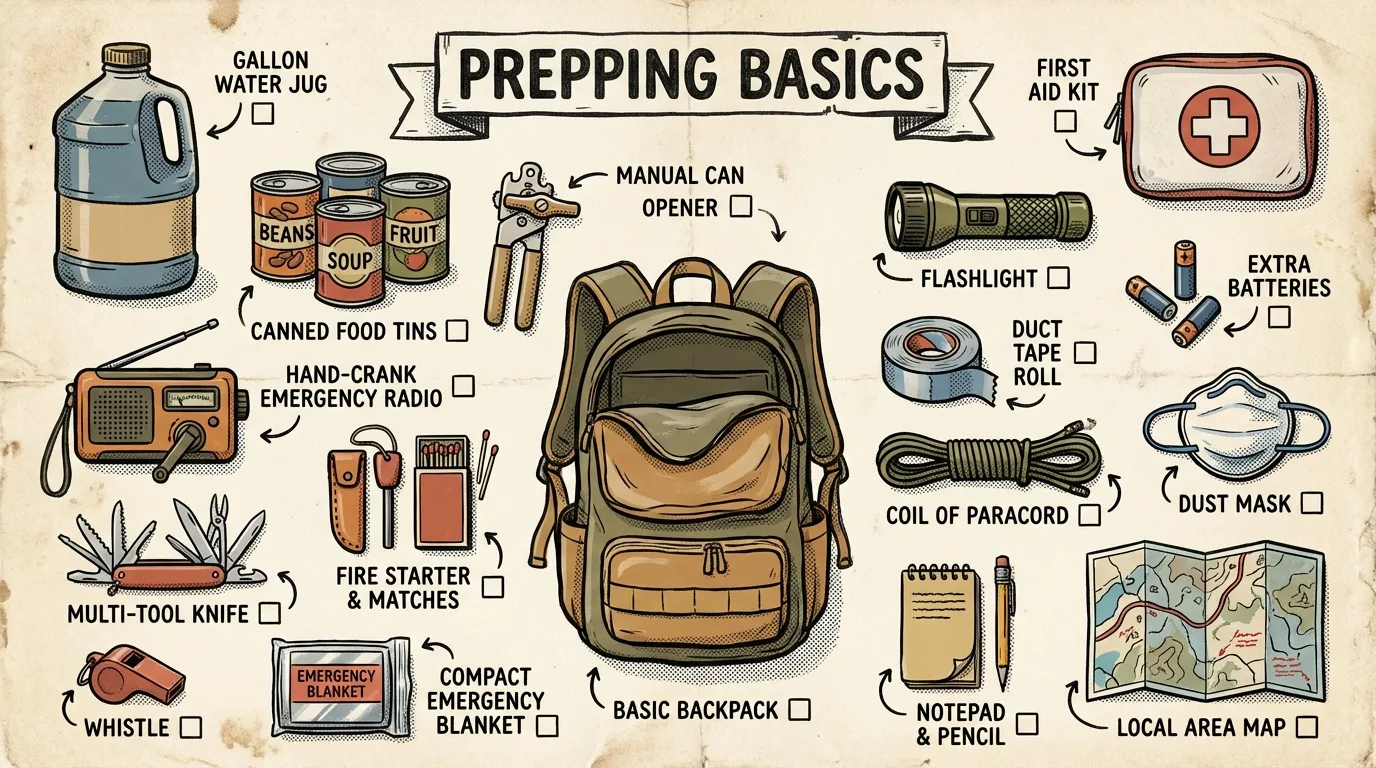
Beginner Prepping Basics: Start Survivalism the Right Way
Learn beginner prepping basics. Practical steps, budget-friendly gear, and common mistakes to avoid. Start prepping today.
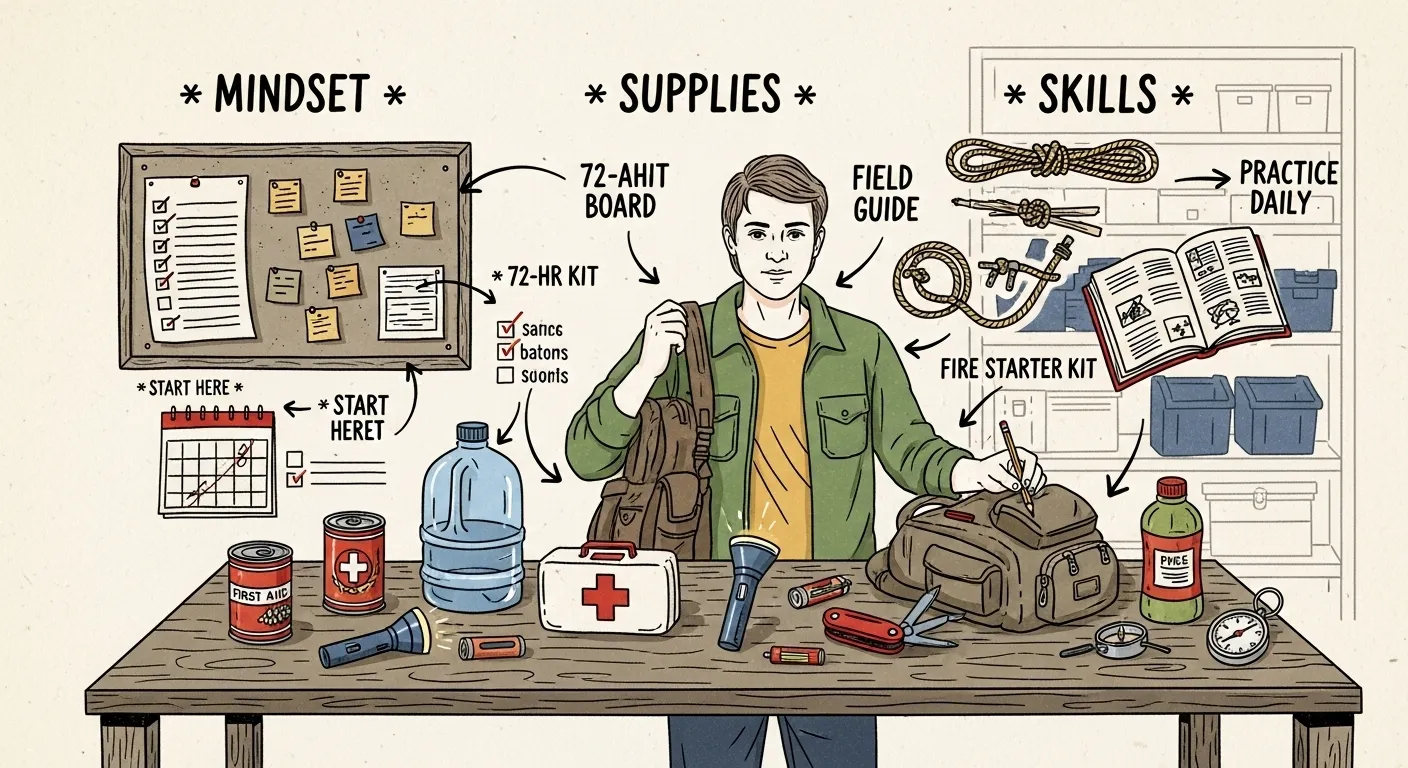
Beginner Prepper Guide: Mindset, Supplies & Skills
New to prepping? This beginner prepper guide covers the preparedness mindset, essential supplies, skills, and mistakes to avoid. Start building readiness today.