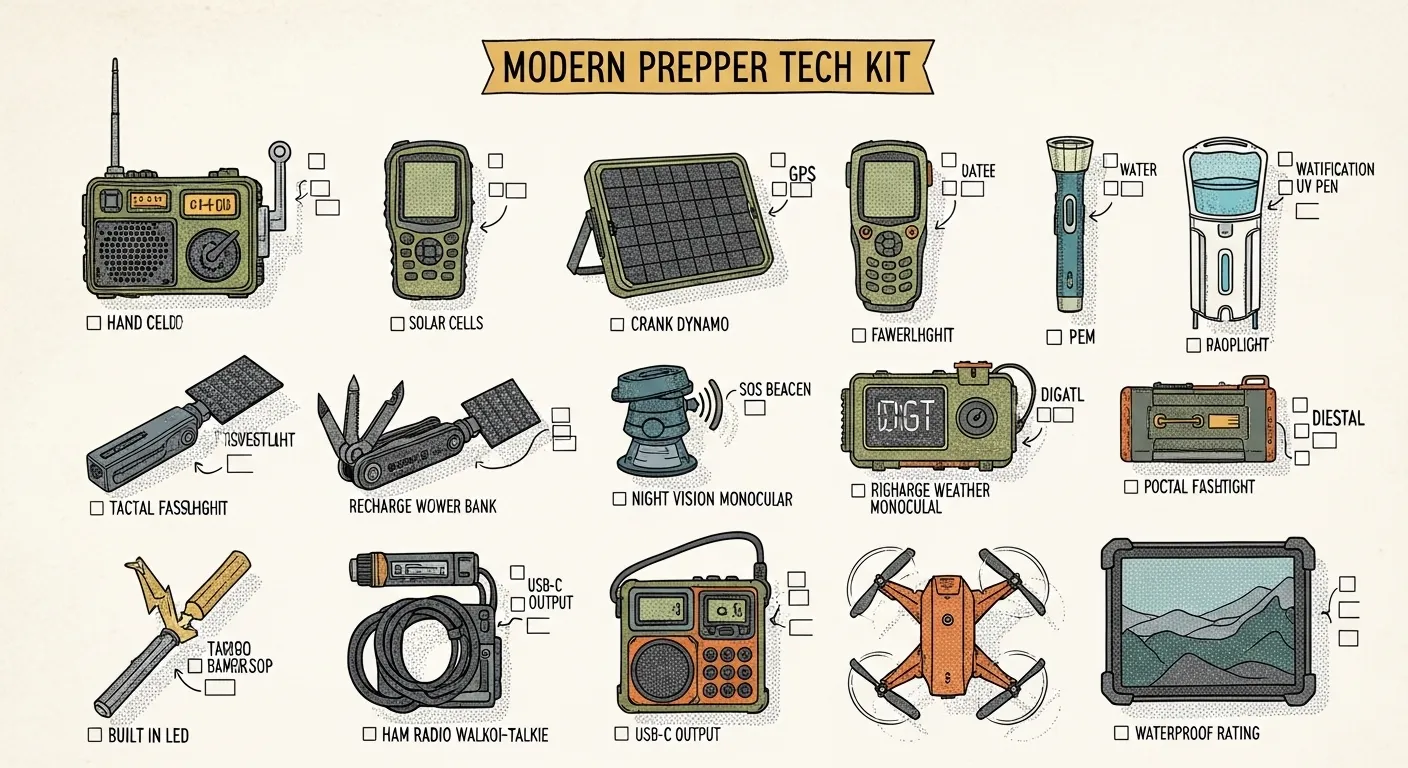
The best survival gadgets for beginner preppers are a solar power bank, hand-crank emergency radio, portable water filter, rechargeable headlamp, and GPS or offline navigation tool. Modern technology improves emergency preparedness by providing backup power, emergency information, safer water access, better lighting, and more reliable navigation.
Key Takeaways
- Buy a USB-C PD solar power bank with pass-through charging and an IP-rated case.
- Purchase a hand-crank emergency radio with NOAA/SAME alerts and a USB device-charging output.
- Choose a portable water filter or UV purifier with NSF/ANSI certification or independent lab tests.
- Select a rechargeable headlamp meeting ANSI FL1 specs with red-light mode and USB-C charging.
- Follow the 4-month timeline: radio and headlamp first, power bank second, water filter third, navigation tools fourth.
Best Survival Gadgets for Beginners: Essential Prepper Tech
Quick answer: Start with five practical gadgets that cover power, official alerts, safe water, hands-free light, and navigation: a USB-C PD solar power bank, a hand-crank emergency radio with NOAA/SAME alerts, a portable water filter or UV purifier tested to standards, a rechargeable ANSI FL1 headlamp, and a GPS or offline navigation tool with GNSS support.
The best survival gadgets for beginners are small, durable, and solve real problems during outages or disasters. Prioritize backup power, official alert reception, safe water, dependable lighting, and offline navigation. Buy core items first, then add gear based on local risks and skills.
Note on factual claims: verify statistics and organizational statements before sharing them publicly. Link the specific report and year for each claim.
Key definitions
- NOAA Weather Radio: official weather and emergency broadcasts that work when internet and cell service fail.
- GNSS: global satellite systems such as GPS, GLONASS, Galileo, and BeiDou. Devices that use multiple constellations get faster, more reliable fixes.
- NSF/ANSI: testing standards for water treatment products. Check the rating that matches the contaminant you want removed.
- ANSI FL1: standard that defines lumens, beam distance, runtime, and resistance for lighting products.
- IP rating: ingress protection against dust and water (examples: IP65, IP67).
- USB-C PD: a fast-charging standard found on modern power banks and chargers.
Quick list: best survival gadgets for beginners
Start with these five core items. Each entry explains why it matters, what to look for, and the practical outcome.
- Solar power bank (USB-C PD)
- Why: Keeps phones, lights, and small devices running during outages and while traveling.
- What to look for: USB-C Power Delivery, enough capacity (mAh) for your devices, pass-through charging, multiple outputs, and a rugged weather-resistant case with an IP rating.
- Practical outcome: You can recharge communications and small medical devices when grid power is down.
- Hand-crank emergency radio with NOAA/SAME
- Why: Lets you receive official weather warnings and emergency alerts without mobile networks.
- What to look for: NOAA/SAME alert capability, several charging options (hand crank, solar, replaceable batteries), a USB output to charge devices, and durable controls.
- Practical outcome: You stay informed about evacuation orders and severe weather even if cell towers go offline.
- Portable water filter or UV purifier
- Why: Makes uncertain water sources safer by removing pathogens or using UV to disinfect.
- What to look for: Filter type (straw, pump, gravity) or UV pen; stated pathogen removal levels; NSF/ANSI certifications or independent lab tests; flow rate and filter lifespan; replacement availability.
- Practical outcome: You can drink from rivers, lakes, or questionable taps with much lower risk of illness.
- Rechargeable headlamp (ANSI FL1-rated)
- Why: Provides hands-free light for repairs, first aid, and moving around at night.
- What to look for: ANSI FL1 specs, lumen output, runtime, red-light mode, multiple brightness levels, USB-C charging, and water resistance.
- Practical outcome: Nighttime tasks get faster and safer. Your hands stay free.
- GPS device or offline navigation tool with GNSS support
- Why: Gives reliable position and routing without cell service.
- What to look for: Offline maps and topographic support, GNSS multi-constellation capability, solid battery life, and a durable build. Carry a paper map and compass as backups.
- Practical outcome: You can navigate evacuations and remote routes without relying on mobile coverage.
Why these gadgets matter
A starter kit addresses core needs: power, alerts, water, light, and navigation. Technology adds redundancy and speed but does not replace basic skills like first aid, water storage, shelter, fire, and map-and-compass use.
Avoid two common mistakes:
- Relying only on a phone battery.
- Collecting niche gadgets you never learn to use.
A simple rule: choose durable, straightforward, well-reviewed items that solve real problems.
Top purchase criteria (quick checklist)
- Core priorities: backup power, emergency alerts, safe water, dependable lighting, and navigation tools
- Durability: IP rating, impact resistance, solid construction
- Simplicity: clear controls and straightforward charging
- Standards: NSF/ANSI for filters and ANSI FL1 for lights
- Power options: USB-C PD and multiple charging modes (solar, crank, replaceable batteries)
- Multi-function value: only if each function performs reliably
Useful multifunction combos and innovations
- Radios that include solar charging, crank charging, USB output, and SAME alerts
- Lanterns that double as power banks with USB-C PD
- Rechargeable lights and power banks that support pass-through charging
- Compact gravity filters paired with UV pens for fast purification
- Quality multi-tools. Buy a reputable brand and avoid cheap, fragile models.
Prefer one reliable function over several weak ones.
How to tailor gear to your situation
Ask yourself:
- Do power outages happen here? Short or long? Frequent or rare?
- Would you evacuate or shelter in place during most local emergencies?
- Could water access be disrupted? For how long?
- Do you travel into remote areas where navigation and long battery life matter?
Suggested beginner purchase timeline:
- Month 1: emergency radio and headlamp
- Month 2: power bank and charging cables
- Month 3: water filter and storage containers
- Month 4: navigation tools and a quality multi-tool
Buy a little at a time. Practice each item as you add it.
FAQ (short answers)
Q: What are the must-have survival gadgets for beginners? A: A USB-C PD solar power bank, a hand-crank emergency radio with NOAA alerts, a portable water filter or UV purifier, a rechargeable ANSI FL1 headlamp, and a GPS or offline navigation tool.
Q: Which gadgets are worth investing in long-term? A: Durable, repairable items such as tested water filters, reliable radios, rechargeable lights, high-capacity power banks, and a well-made multi-tool.
Q: Are multifunction gadgets worth it? A: Yes if each function works well. Avoid cheap “do-it-all” devices that fail at the basics.
Q: Should gadgets replace traditional skills? A: No. Use gadgets to extend preparedness, not to replace first aid, fire-making, or map-and-compass navigation.
Quick buying checklist (copy-friendly)
- Solar power bank with USB-C PD and pass-through charging
- Hand-crank or solar emergency radio with NOAA/SAME alerts
- Portable water filter or UV purifier with NSF/ANSI certification or lab tests
- Rechargeable headlamp that meets ANSI FL1 specs and includes a red mode
- GPS device or phone app with offline maps, plus a paper map and compass
Sources and verification
For accuracy, link to the exact FEMA report or guidance you reference, include dates for any organizational statements, and link NSF/ANSI certification pages or independent lab-test reports for filters.
Practical next steps
Pick one likely local emergency and choose two gadgets from the core list that address it. Buy them this month. Set a simple maintenance plan: charge devices monthly, exercise batteries, and replace filter elements according to the manufacturer’s schedule.
Small, focused upgrades now prevent bigger problems later.
Further reading
- Becoming a Prepper: The Beginner’s Guide to Survival Readiness
- How to Build a Bug Out Bag: Essentials for a Quick Getaway
- Water, Water Everywhere: How to Store H2O Without Losing Your Sanity
- The Art of Starting a Fire (Without Burning Down the Camp)
The Complete
Prepper's Reference.
149 articles synthesized into one comprehensive PDF — twelve chapters covering water, food, shelter, first aid, comms, and scenario-specific preparedness. Free with your email.
Unsubscribe anytime · We never share your email
You're in. Check your inbox.
Keep Reading
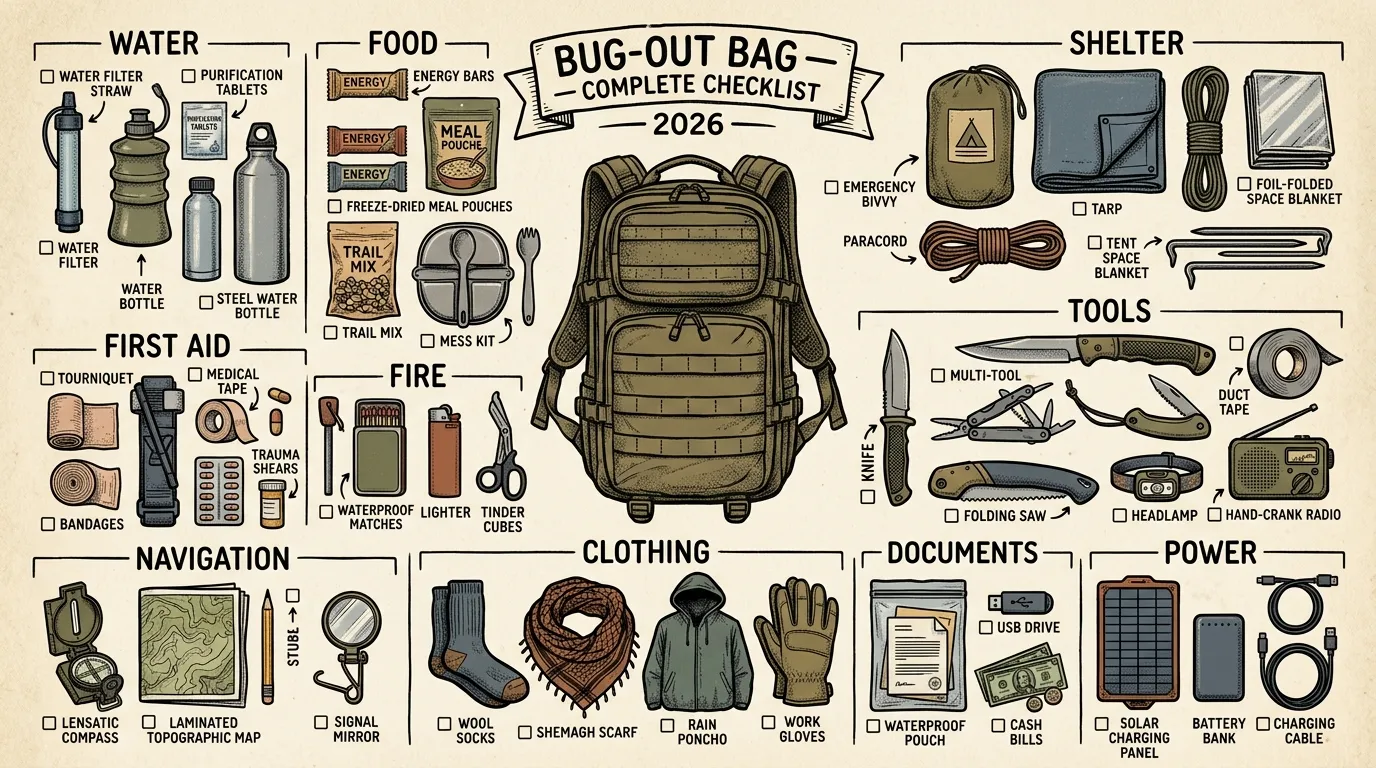
Bug-Out Bag List: Complete Checklist by Category (2026)
Complete bug-out bag list with 8 survival categories, weight budgets, and a 3-tier priority system. Printable checklist included — start packing today.
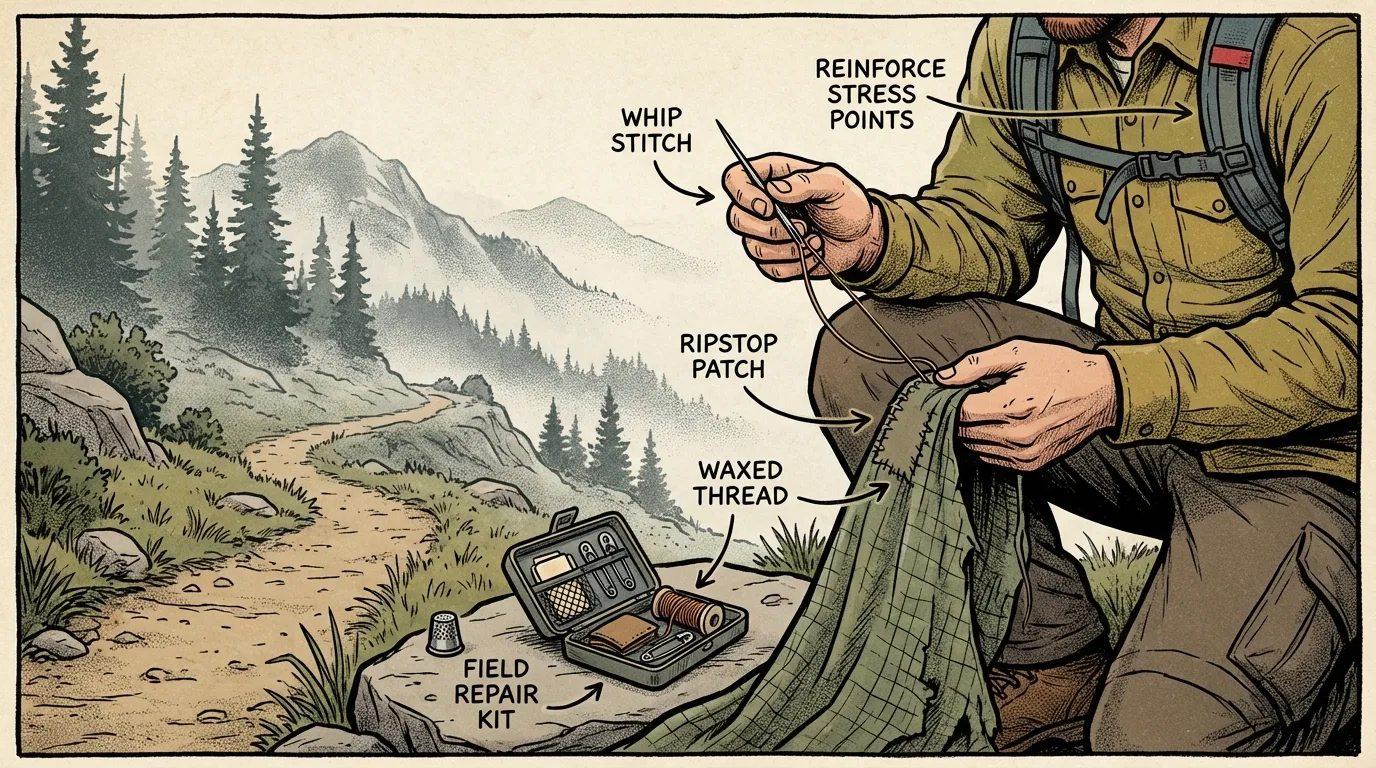
Survival Sewing: How to Repair Your Gear on the Go
Learn essential survival sewing skills to repair backpacks, tents, and clothing fast with beginner-friendly tools, stitches, and field-ready fixes.
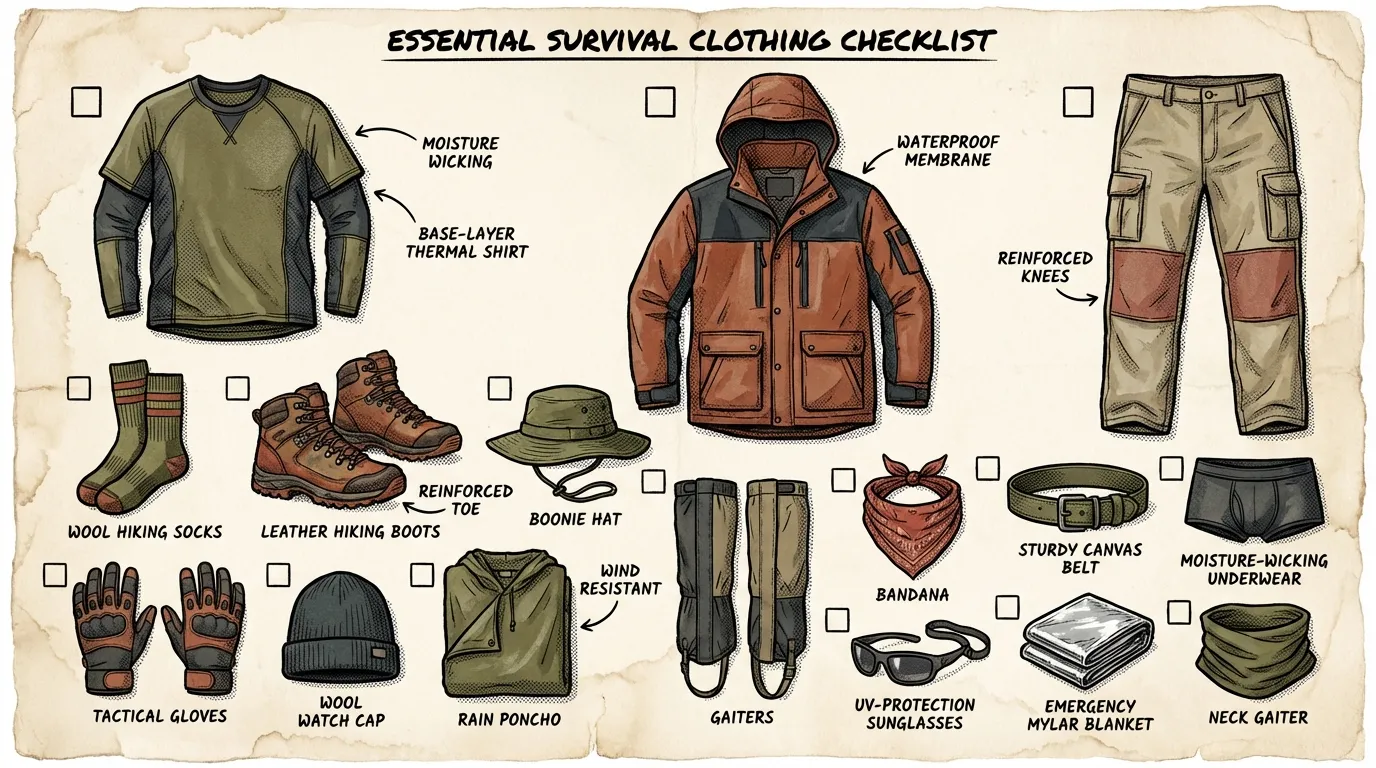
Survival Clothing: Dress for Success When Disaster Strikes
Learn how to choose survival clothing for cold, hot, and wet conditions, with practical layering tips, fabric advice, and beginner-friendly gear picks.