Top disaster risks, local resources, and a personalized prep plan for Miami residents.
Hurricanes bring storm surge, wind damage, and flooding that can cut off evacuation routes.
In Miami: Miami sits directly in the Atlantic hurricane corridor. Hurricane Andrew in 1992 destroyed 25,000 homes and caused $27 billion in damage. Category 4+ storms remain a persistent threat.
Flooding is the most common US disaster — just 6 inches of moving water can knock a person down.
In Miami: Miami-Dade County's porous limestone bedrock means floodwater seeps up from below as well as flowing in from above. Sea-level rise and king tides now cause sunny-day flooding in low-lying neighborhoods.
Tornadoes can form within minutes and level a home — identify your safe room now.
Based on Miami's top hazards, focus on these areas first:
Emergency Management
Miami-Dade Emergency Management →Local Alert System
Sign up for Miami-Dade Alerts →Emergency Number
Dial 911 for life-threatening emergencies
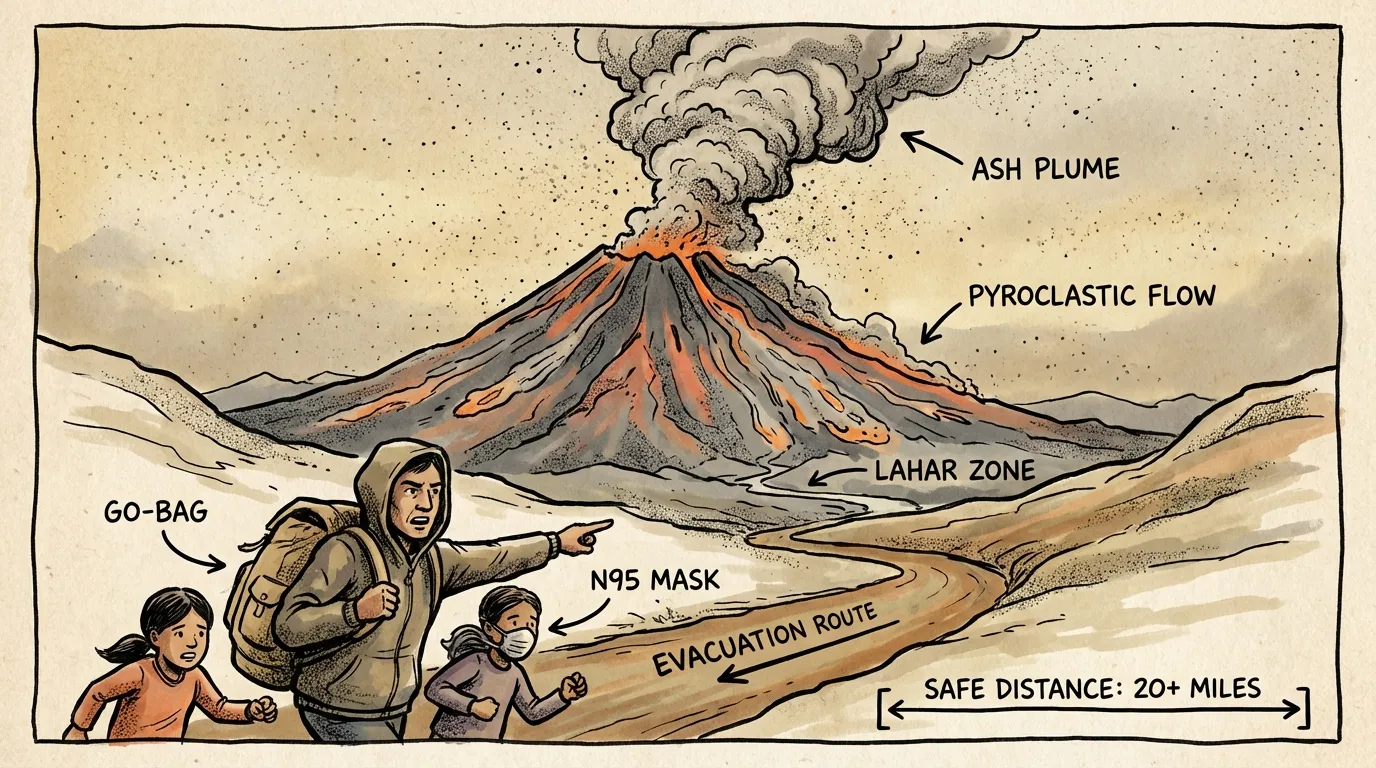
Volcanic Eruption Preparedness: When the Mountain Wakes Up
Mount St. Helens gave scientists 2 months of warning — yet 57 people still died. The 2022 Tonga eruption sent a shockwave around the planet twice. Here's what volcanic eruptions actually threaten, how far danger extends, and how to prepare whether you live near a volcano or not.
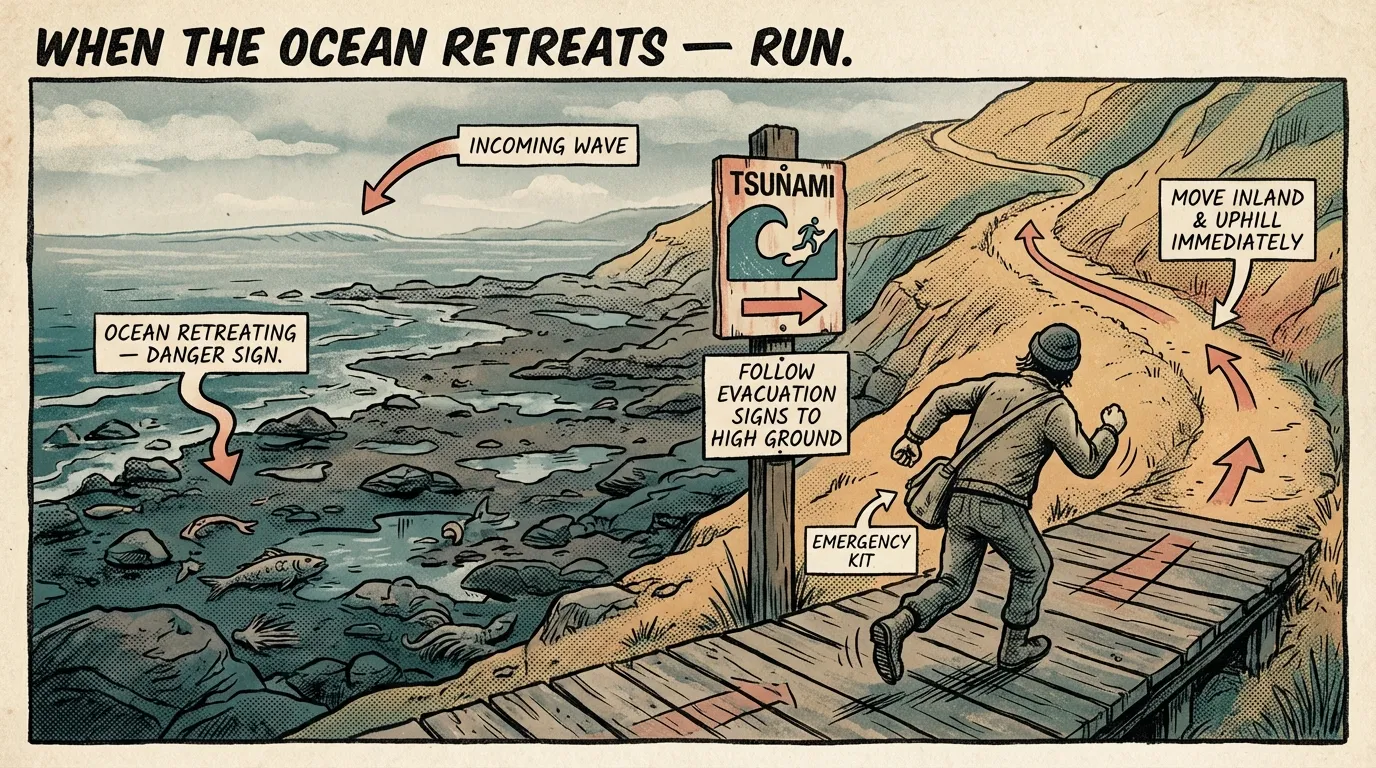
Tsunami Preparedness: What to Do When the Ocean Retreats
The 2004 Indian Ocean tsunami killed 227,000 people in 14 countries in under 8 hours. A 10-year-old girl's geography lesson saved 100 lives on a Thai beach. Here's what tsunamis actually look like — and the knowledge that makes the difference between life and death.
The Complete
Prepper's Reference.
149 articles synthesized into one comprehensive PDF — twelve chapters covering water, food, shelter, first aid, comms, and scenario-specific preparedness. Free with your email.
Unsubscribe anytime · We never share your email
You're in. Check your inbox.